
I was sitting at my workbench last Tuesday, mid-way through stripping a stubborn capacitor from a 1970s Moog, when I realized I was doing exactly what most “financial gurus” do: overcomplicating a simple circuit. It hit me that most advice on how to lower your bills is just as cluttered and inefficient. You see these influencers peddling complex spreadsheets or “miracle” apps that require more maintenance than the money they actually save you. It’s a ridiculous way to live. If a solution takes three hours of data entry to save you twenty bucks, the system is broken.
I’m not here to sell you on a lifestyle overhaul or a complicated budgeting ritual that feels like a second job. My approach is much more like my engineering background: identify the leak, patch the hole, and move on. I’m going to show you how to audit your actual expenses and cut the waste using straightforward, tested methods that bridge the gap between your digital subscriptions and your physical overhead. We’re going to focus on high-impact changes that work when the screen goes dark, so you can stop worrying about the math and start keeping your money.
Table of Contents
Smart Household Budget Optimization Without the Spreadsheet Headache

Look, I’ve spent enough time managing complex IT infrastructures to know that a system is only as good as its most inefficient component. Most people approach their finances like a broken server—they just keep adding more patches instead of fixing the core issue. You don’t need a massive, color-coded spreadsheet that takes three hours a week to maintain just to see where your money is leaking. Instead, focus on household budget optimization by auditing your recurring outflows. Start with the low-hanging fruit: your digital clutter. Go through your bank statement and hunt down those forgotten streaming services or premium apps you haven’t touched in months. Lowering monthly subscription costs is the quickest way to reclaim your cash without changing your actual lifestyle.
Once you’ve trimmed the digital fat, turn your attention to the physical stuff. I’m a big believer in practical utility bill reduction strategies that don’t require a PhD in thermodynamics. It’s not about living in the dark; it’s about making sure your hardware is running efficiently. Check your thermostat settings and swap out old bulbs for LEDs. If you’re really feeling bold, pick up the phone and start negotiating service provider rates for your internet or phone. Most companies have a “retention” department waiting for someone to ask for a better deal. It takes ten minutes of awkwardness to save hundreds over a year.
Cutting Utility Bill Reduction Strategies Down to the Essentials
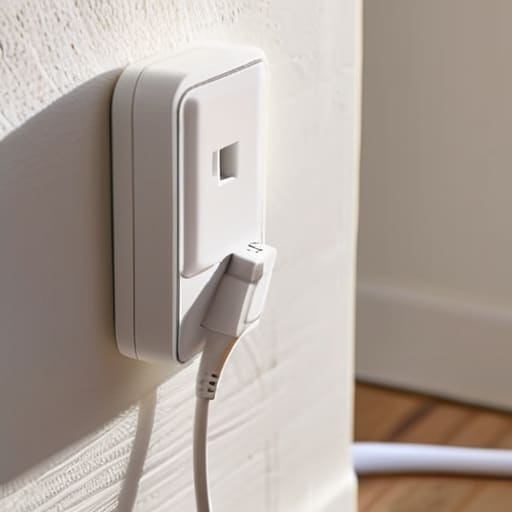
Most people approach utility bill reduction strategies like they’re trying to solve a complex coding error—they overthink it and end up paralyzed by data. You don’t need a complex algorithm to see where the leaks are. Start with the low-hanging fruit: your thermostat and your phantom loads. I’ve spent enough time tinkering with old hardware to know that even when things are “off,” they’re often still pulling juice. Switching to smart plugs or simply unplugging those idle chargers isn’t just about saving a few cents; it’s about eliminating systemic waste that adds up over a year.
Next, look at the service providers themselves. We tend to treat our internet and power companies like a permanent tax, but they aren’t. I’ve found that a fifteen-minute phone call focused on negotiating service provider rates can often yield better results than any “energy efficient home tip” you’ll find in a glossy magazine. Don’t be afraid to ask for the loyalty discounts or threaten to switch. It’s not being difficult; it’s just good systems management. If you aren’t actively auditing these costs, you’re essentially leaving money on the table for no reason.
Five Low-Effort Wins to Stop the Bleeding
- Audit your subscriptions with a blunt eye. If you haven’t used that streaming service or that premium app in the last thirty days, kill it. Don’t “pause” it; cancel it. You can always resubscribe if you actually miss it, but most of the time, you won’t.
- Negotiate your recurring service contracts. I’m talking about your internet and cell phone providers. Call them up, ask for the retention department, and tell them you’re looking at cheaper alternatives. It takes fifteen minutes of awkward conversation, but it can shave fifty bucks off your monthly overhead.
- Check your thermostat settings once, then leave it alone. You don’t need a “smart” system that requires a PhD to operate. Just set a consistent temperature for when you’re sleeping or away. Small, consistent adjustments are better than fighting the system every day.
- Swap out your dead bulbs for LEDs. It’s a one-time mechanical fix that pays dividends in your utility bill. It’s not high-tech, but it’s a simple system upgrade that stops wasting energy on heat instead of light.
- Consolidate your “phantom” expenses. Look at those small, automated transfers and recurring fees that seem insignificant. When you add them up, they’re usually a leak in your financial plumbing. Plug the holes by consolidating accounts or choosing services with fewer hidden transaction fees.
The Bottom Line: Keeping It Simple
Stop chasing every nickel and dime; focus on the big wins like negotiating service contracts and auditing your recurring subscriptions.
Treat your home like a system—small, mechanical fixes like sealing drafts or upgrading to smart thermostats pay off more than any complex budgeting app ever will.
If a money-saving tactic feels like a second job, it’s not worth your time. Stick to automated savings and low-effort, high-impact changes that actually stick.
Getting It Done

At the end of the day, lowering your bills isn’t about some complex mathematical formula or spending your entire weekend staring at a spreadsheet. It’s about identifying the leaks in your system and plugging them. We’ve looked at how to optimize your household spending, trim the fat from your utility usage, and stop the bleeding on subscriptions you haven’t touched in months. If you take away anything from this, let it be this: efficiency beats effort every single time. You don’t need to overhaul your entire lifestyle; you just need to make smarter, intentional adjustments to the systems you already have in place.
Look, I get it. Managing money feels like a second job that nobody actually applied for. But remember, the goal here isn’t just to see a lower number on a statement; it’s to reclaim your mental bandwidth. When you stop overpaying for things you don’t use, you’re actually buying back your own time and peace of mind. Don’t let the “noise” of consumerism or complicated financial jargon slow you down. Pick one or two things we talked about today, apply them immediately, and then get on with your life. Let’s focus on what actually works so you can spend less time worrying about the bills and more time enjoying the life they pay for.