
I spent twenty years looking at complex systems, and if there’s one thing I’ve learned, it’s that most “energy-saving” advice is just expensive noise. I’m tired of seeing influencers push $500 “smart” thermostats or complicated home automation kits that require a degree in computer science just to dim a lightbulb. If you’re looking for a magic button to fix your monthly budget, you’re going to be disappointed. Most people don’t need a digital overhaul; they need to understand how to save on utilities by fixing the basic, mechanical leaks in their daily habits. We’ve overcomplicated the simple stuff, and it’s costing us more than it’s worth.
I’m not here to sell you on a subscription service or a gadget that requires a firmware update. My goal is to give you a straightforward blueprint based on actual engineering principles and real-world testing. I’m going to show you the high-impact, low-effort moves that actually move the needle on your bills—the kind of stuff you can do with a screwdriver, a roll of weatherstripping, or just a change in how you manage your hardware. Let’s stop chasing the hype and focus on what actually works when the sun goes down and the bills start rolling in.
Table of Contents
Lowering Heating and Cooling Costs Without the Constant Fuss

Look, most people think they need to overhaul their entire HVAC system to see a difference, but that’s usually just throwing good money after bad. If you want to start lowering heating and cooling costs without turning your life into a full-time job, start with the envelope of your house. Most of your expensive air is leaking out through cracks in window frames or gaps under doors. It’s simple physics: if the air can get out, the money can too. Spend a Saturday afternoon with a tube of caulk and some weatherstripping. It’s a low-effort, high-reward fix that actually works.
If you’re willing to invest a little more upfront, look into home insulation upgrades, specifically in your attic. It’s the single best way to keep your climate controlled without the furnace or AC running on overdrive every twenty minutes. While you’re at it, consider the smart thermostat benefits. I’m a systems guy, so I appreciate anything that automates a process. A decent smart thermostat takes the guesswork out of the equation by adjusting itself when you aren’t home, ensuring you aren’t paying to heat an empty living room.
Smart Thermostat Benefits Set It and Forget It
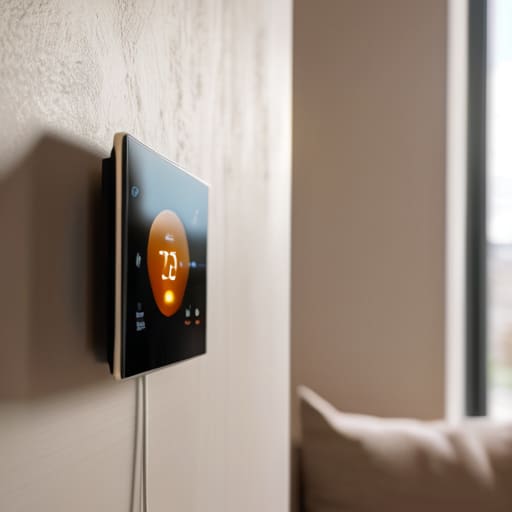
Look, I’m a systems guy. I like things that work predictably without requiring constant manual overrides. That’s exactly why I’m a big proponent of a smart thermostat. Most people treat their HVAC system like a blunt instrument—it’s either blasting or it’s off—but that’s a massive waste of resources. By installing one of these units, you’re essentially installing a brain into your home’s climate control. The real smart thermostat benefits aren’t just about being able to change the temperature from your phone while you’re at the hardware store; it’s about the automation of efficiency.
You set your parameters once, and the system handles the rest, adjusting for when you’re sleeping or when the house is empty. It takes the guesswork out of lowering heating and cooling costs because it eliminates the human error of forgetting to dial it back. Instead of chasing every little “hack,” you’re implementing a permanent, automated fix. It’s one of those energy efficient home improvements that actually pays for itself in a few seasons, letting you focus on more important things while your house manages its own footprint.
Stop bleeding money through the cracks: 5 ways to tighten up your utility usage
- Kill the phantom loads. Most of your electronics—TVs, game consoles, even that fancy coffee maker—pull power even when they’re “off.” Grab a few decent power strips, plug your entertainment center into one, and flip the switch when you head to bed. It’s a five-second habit that stops the slow drain on your wallet.
- Seal the gaps, not just the windows. You can have the most efficient HVAC system in the world, but if cold air is whistling through a gap in your baseboards or around a door frame, you’re just heating the neighborhood. Get some weatherstripping and some caulk; it’s a cheap, one-afternoon fix that actually pays for itself.
- Clean your filters or don’t bother. If your AC or furnace filter is caked in dust, your system is working twice as hard to move half the air. It’s basic systems engineering: friction and blockage kill efficiency. Check them once a month; it takes two minutes and keeps the hardware from burning out prematurely.
- Audit your lighting with zero fanfare. If you’re still running old incandescent bulbs, you’re essentially paying for heat instead of light. Swap them for LEDs. Don’t overthink the “smart bulb” hype unless you actually need the automation; just get the ones that work and use less juice.
- Use your water heater like a tool, not a furnace. Most people have their water heaters set way higher than necessary. Dial it back to 120°F (about 49°C). You’ll still get hot showers, but you won’t be wasting massive amounts of energy just to keep water scalding hot for no reason.
The Bottom Line: Keep It Simple
Stop chasing complex gadgets; focus on the basics like sealing drafts and managing your thermostat to see the biggest impact on your bill.
Automate where it makes sense, but don’t let “smart” tech become another chore on your to-do list.
Treat your home like a system—small, consistent adjustments to how you use energy are better than a massive, expensive overhaul.
Cutting the Cord on Waste
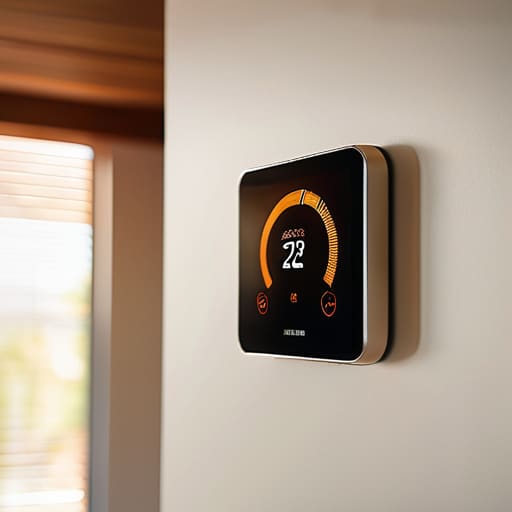
Look, we’ve covered a lot of ground here, but it all boils down to the same principle: efficiency isn’t about radical lifestyle changes; it’s about eliminating friction. Whether you’re adjusting your thermostat settings to stop fighting the seasons, upgrading to a smart system that handles the heavy lifting for you, or simply being more mindful of how your home breathes, the goal is the same. You don’t need a PhD in thermodynamics to see that small, intentional shifts in how you manage your heating, cooling, and electricity add up to significant savings. Stop letting your hard-earned money leak out through uninsulated cracks and inefficient habits. Focus on the high-impact, low-effort moves that actually move the needle on your monthly statement.
At the end of the day, your home should be a system that works for you, not a drain on your bank account. I’ve spent my career optimizing complex networks and mechanical builds, and I can tell you that the most robust systems are always the ones that minimize unnecessary waste. Don’t get caught up in the pursuit of some perfect, zero-cost solution that requires constant monitoring. Just implement these practical steps, set your systems to run as efficiently as possible, and then get back to living your life. Once you’ve tightened up the ship, you can finally stop worrying about the bills and start enjoying the space you’ve built.