I spent twenty minutes last Tuesday watching a “budget influencer” explain how to use a complex, subscription-based meal planning app to optimize their pantry rotation. It was a classic case of using a sledgehammer to crack a nut, and frankly, it’s exhausting. Most of the advice you see online about how to save on groceries involves more screen time and mental overhead than it’s actually worth. If you need a PhD in data analytics just to buy a carton of eggs without feeling ripped off, the system is broken. We’ve turned a basic survival necessity into a high-maintenance digital project, and it’s time to stop overcomplicating the simple things.
I’m not here to sell you on a new app or a complicated lifestyle overhaul that requires a spreadsheet for every carrot. My approach is built on the same principles I use when I’m troubleshooting a complex server or restoring an old synth: strip away the fluff and focus on the functional core. I’m going to show you a few straightforward, battle-tested methods to cut your food bill without turning your kitchen into a second job. We’re going to focus on real-world tactics that actually work when you’re standing in the middle of a crowded aisle.
Table of Contents
Meal Planning for Beginners That Actually Fits Your Life
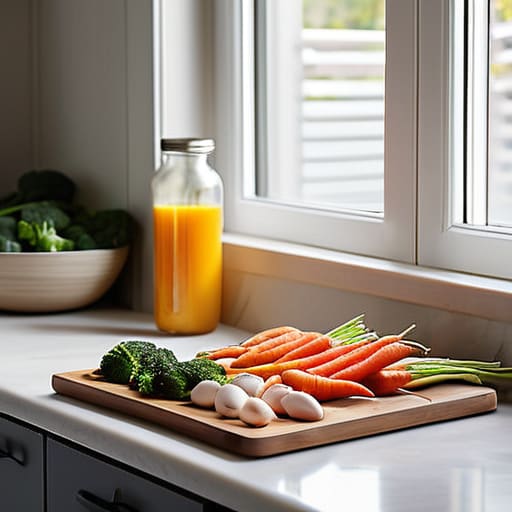
Look, most people fail at meal planning because they try to turn their kitchen into a high-end restaurant every single night. They buy exotic ingredients they’ll never use again and end up with a fridge full of wilted greens. If you want to succeed with meal planning for beginners, you need to build a system around what you actually enjoy eating, not what looks good on a Pinterest board. Start with a “base ingredient” approach: pick two proteins and three versatile vegetables, then rotate them. It’s not glamorous, but it eliminates the decision fatigue that leads to expensive, last-minute takeout orders.
The real secret to reducing food waste at home is keeping your list strictly tied to your inventory. Before you even step foot in the store, check your pantry and your freezer. If you’ve already got three cans of black beans, don’t buy a fourth just because it’s on sale. I treat my kitchen like a closed-loop system; nothing goes in unless there’s a clear, scheduled path for it to go out. Plan for leftovers—it’s the simplest way to get a “free” lunch the next day without extra effort.
Smart Grocery Shopping Tips to Stop the Impulse Buys

Look, the grocery store is designed to hijack your brain. The bright lights, the end-cap displays, and that smell from the bakery section aren’t accidents; they’re engineered to make you deviate from your plan. If you walk into a store without a clear system, you’ve already lost. I’ve learned the hard way that wandering the aisles is just a fancy way of donating money to a corporation. The best smart grocery shopping tips I can give you aren’t about complex apps—they’re about discipline. Stick to a list, stay in the perimeter where the real food lives, and for heaven’s sake, never shop when you’re hungry.
Another way to tighten your belt is to stop being loyal to a logo. I grew up in a house where we didn’t care about the label on the can, only what was inside. When you compare store brand vs name brand products, you’ll realize you’re often paying a 30% premium just for the marketing. Most of the time, the ingredients are identical. If you can master that one simple switch, you’ll see the difference in your bank account by the end of the month.
Cut the Fat: Five Ways to Stop Bleeding Cash at the Checkout
- Stop buying the “convenience” versions of everything. I’ve seen people pay a 40% markup just because the onions are already diced or the cheese is pre-shredded. Buy the whole thing, take five minutes to prep it yourself, and keep that extra five bucks in your pocket.
- Embrace the generic brands without the shame. Most of the time, the store brand is the exact same chemical composition as the name brand, just without the flashy marketing budget. If the ingredients list looks identical, buy the cheaper one. It’s not rocket science.
- Audit your pantry before you leave the house. I see people buying a third jar of cumin because they “thought” they were out. Check your shelves, write down what you actually need, and stick to that list like it’s a project requirement.
- Watch the unit price, not the total price. That “Value Pack” of paper towels might look like a steal, but if you check the price per sheet, you’ll often find the standard size is actually cheaper. Don’t let the big packaging fool you; do the math.
- Stick to the perimeter of the store. The stuff in the middle aisles—the processed snacks, the sugary cereals, the pre-packaged meals—is designed to tempt you and drain your bank account. Most of what you actually need to eat is located in the produce, meat, and dairy sections around the edges.
The Bottom Line
Stop chasing complex meal-prep apps and just stick to a basic list based on what you actually eat.
Buy the generic brands and stop wandering the aisles when you’re hungry; it’s the simplest way to kill impulse spending.
Focus on versatile, staple ingredients that work in multiple dishes rather than buying specialty items that sit in your pantry for months.
Cutting Through the Grocery Noise
Look, saving money on food isn’t about downloading some high-maintenance app that tracks every single calorie or spending four hours every Sunday prepping kale salads you’ll hate by Wednesday. It’s about the fundamentals: planning a basic menu, sticking to a list, and refusing to let a hungry stomach dictate your spending at the checkout line. If you can master the art of buying generic staples and avoiding the impulse aisles, you’ve already won half the battle. The goal isn’t perfection; it’s about building a repeatable system that works even when you’re tired or busy. Stop trying to optimize every cent and just focus on eliminating the obvious waste.
At the end of the day, your grocery budget shouldn’t be a source of constant stress or a complex engineering problem to solve. It’s just fuel for your life, and managing it well should give you more freedom, not more chores. When you stop overcomplicating your kitchen and start focusing on what actually moves the needle, you’ll find you have more money left over for the things that actually matter—like that vintage synth part you’ve been eyeing or a weekend trip. Keep it simple, keep it functional, and stop overthinking the process. Just get out there and make it work.