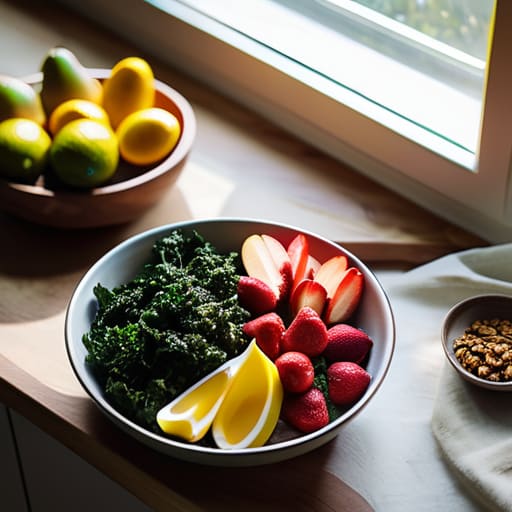
I was sitting at my workbench last Tuesday, elbow-deep in the guts of a 1978 Moog synthesizer, when I realized my own internal systems were crashing harder than a legacy server. I’d spent the last three hours fueled by nothing but lukewarm coffee and a bag of processed chips, and my brain felt like it was running on a dial-up connection. We’ve been sold this lie that learning how to build better eating habits requires a $200-a-month subscription to a meal-tracking app or a pantry full of “superfoods” that taste like sawdust. Honestly, most of that wellness industry is just noise designed to make you feel like you’re failing a test you never signed up for.
I’m not here to sell you on a lifestyle overhaul that requires a PhD in nutrition or a second full-time job. My approach is much simpler: we’re going to apply a bit of systems engineering to your kitchen. I’m going to show you how to strip away the complexity and focus on practical, repeatable actions that bridge the gap between your busy digital life and your physical health. No fluff, no expensive gadgets—just straightforward methods that actually work when you’re too tired to think.
Table of Contents
Meal Planning for Beginners Without the Kitchen Chaos
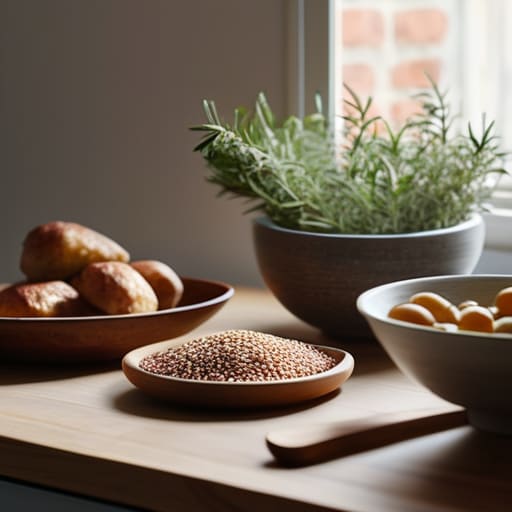
Most people approach meal planning like they’re trying to debug a massive, legacy software system with no documentation. They buy twenty new ingredients, download a subscription app, and spend Sunday afternoon prepping meals that taste like cardboard by Wednesday. That’s a recipe for failure. If you want to actually succeed with meal planning for beginners, you need to stop treating your kitchen like a laboratory and start treating it like a workflow. Start small. Pick two days a week where you know you’ll be too tired to think, and just prep one versatile protein or a big batch of grains.
The goal isn’t perfection; it’s reducing the number of decisions you have to make when you’re hungry and exhausted. When you have a basic framework in place, you naturally find better nutritional balance tips without having to obsess over every single calorie. I like to keep a running list in my notebook of “assembly meals”—dishes that require zero actual cooking, just putting components together. This keeps the friction low and ensures that when the workday gets heavy, you aren’t reaching for processed junk just because it’s the path of least resistance.
Sustainable Dietary Changes That Dont Feel Like Work
The biggest mistake I see people make is treating a diet like a software patch—something you install overnight and expect to run perfectly without any bugs. That’s not how biology works. If you try to overhaul everything at once, you’re going to crash. Real sustainable dietary changes aren’t about deprivation; they’re about incremental adjustments that actually fit into your existing workflow. Think of it like tuning an engine. You don’t replace the whole block; you adjust the timing, fine-tune the fuel mix, and listen to how the machine responds.
Instead of chasing perfection, focus on a few solid nutritional balance tips that don’t require a spreadsheet to track. For example, try the “add, don’t subtract” rule. Instead of obsessing over what you can’t have, focus on adding one vegetable or a solid protein source to every meal. It shifts your mindset from restriction to utility. When you stop fighting your biology and start working with it, you’ll find that maintaining your health becomes a background process rather than a full-time job.
Five Low-Maintenance Rules for Real-World Eating
- Stop relying on apps to tell you what to eat. Most of those calorie trackers are just more digital noise that keeps you glued to a screen. Instead, use your eyes. If the food looks like it came out of a box or a factory, it probably isn’t going to fuel you the way you need. Stick to things you can actually recognize.
- Master the “Assembly Method” instead of cooking complex recipes. You don’t need a culinary degree; you just need a reliable system. Keep a protein, a grain, and a green in your fridge at all times. When hunger hits, you assemble them rather than starting a 45-minute recipe from scratch. It’s efficient, it works, and it prevents the late-night takeout impulse.
- Control your environment, not just your willpower. Willpower is a finite resource, and it’ll fail you by 7:00 PM on a Tuesday. If you have junk food sitting on your counter, you’re eventually going to eat it. Keep the processed stuff out of the house. If you want a treat, make it something you actually have to go out and get.
- Drink water before you reach for caffeine or sugar. Half the time when we think we’re hungry or crashing, we’re actually just dehydrated. It’s a simple mechanical fix for a physiological problem. Keep a solid reusable bottle on your desk—keep it simple, keep it functional.
- Build a “Safety Net” meal. We all have those days where everything goes sideways and the system breaks down. Identify one healthy, dead-simple meal you can make in five minutes with zero effort—maybe it’s eggs and toast or a quick salad. When life gets chaotic, lean on that safety net instead of defaulting to the drive-thru.
The Bottom Line: Keep It Simple or Don't Do It At All
Stop chasing perfection with calorie-tracking apps; focus on the mechanical habit of adding more whole foods to your plate instead of just subtracting things.
Build a system, not a diet—if your meal prep takes three hours on a Sunday, you’re going to quit by Wednesday, so find a way to prep that actually fits your real-world schedule.
Treat your nutrition like any other system: small, incremental adjustments are more reliable and easier to maintain than a total overhaul that breaks the moment life gets messy.
Cutting Through the Noise
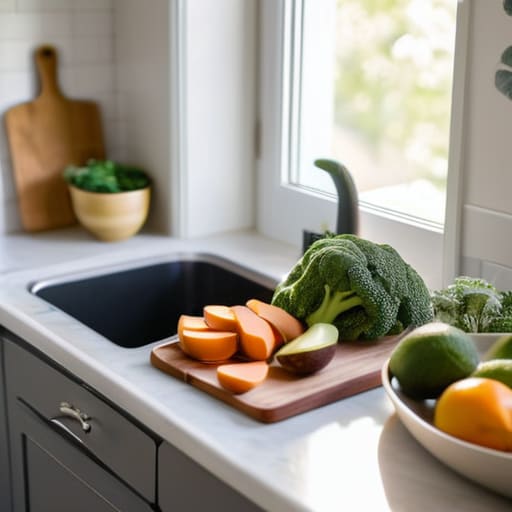
At the end of the day, building better eating habits isn’t about downloading the latest calorie-tracking app or following a restrictive diet that leaves you feeling like a shell of yourself. It’s about systems. We talked about simplifying your meal prep to avoid that mid-week kitchen meltdown and making changes that actually fit into your existing routine rather than fighting against it. If you can manage to keep your pantry stocked with real food and stop treating every single meal like a high-stakes engineering project, you’ve already won half the battle. Focus on consistency over perfection; a simple, repeatable system will always outperform a complex one that you quit after three days.
Don’t let the digital noise convince you that wellness has to be complicated to be effective. Real health happens in the physical world—in the groceries you buy, the way you prep your fuel, and the discipline you show when the screen goes dark. You don’t need a lifestyle overhaul; you just need to start where you are and build upward. Take it one meal at a time, keep your tools sharp, and remember that the best system is the one you can actually maintain when life gets messy. Now, get off the screen and go make something real.