I’m tired of seeing people spend hundreds of dollars on weighted blankets, smart mattresses, and those overpriced lavender mists just to try and fix a broken circadian rhythm. Most of these “wellness” influencers treat sleep like a high-end tech upgrade, but honestly, it’s much simpler than that. If you’re searching for the ultimate list of sleep hygiene tips only to find a dozen-step ritual that feels more like a second job, you’re being sold a bill of goods. You don’t need a complex system; you just need to stop fighting your own biology with gadgets that create more digital noise.
I’m not here to sell you a lifestyle or a subscription to a meditation app. My goal is to give you a few straightforward, tested methods that actually bridge the gap between your high-speed digital life and the physical need to shut down. I’ve spent years optimizing systems for work, and I’ve learned that the best way to fix a process is often to remove the friction, not add more layers. We’re going to cut through the fluff and focus on the low-effort, high-impact changes that will actually let you rest when the screen goes dark.
Table of Contents
Managing Blue Light Exposure and Sleep Without the Fuss

Look, I’m not going to tell you to throw your smartphone in a lake. I use mine just like everyone else, but I’ve learned that staring at a high-intensity LED screen at 11:00 PM is basically telling your brain it’s noon. This constant blue light exposure and sleep disruption is a mechanical failure of our biology. When that light hits your eyes, it tricks your system into suppressing the very chemicals you need to drift off. It’s not about willpower; it’s about understanding how your internal clock actually functions.
If you want to start melatonin production naturally without turning your bedroom into a sensory deprivation tank, keep it simple. Set your devices to “Night Shift” or a similar warm-spectrum mode an hour before bed. It’s not a perfect fix, but it’s a low-effort way to signal to your body that the day is winding down. If you can, swap the overhead LED lights for a dim, warm lamp. You don’t need a smart-home overhaul; you just need to stop bombarding your senses right when you’re trying to shut down.
Optimizing Your Sleep Environment for Real World Rest
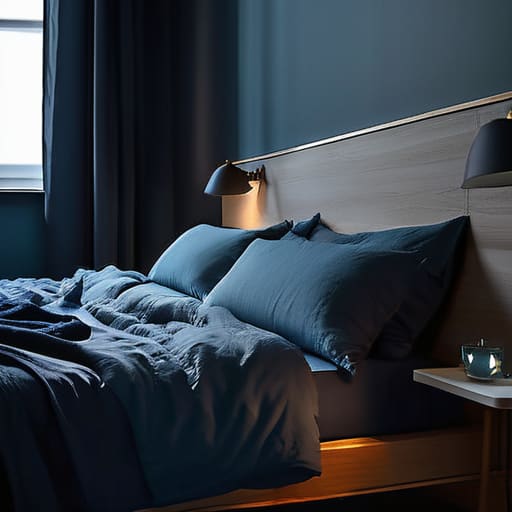
Look, you don’t need a smart mattress or a $500 weighted blanket to get decent rest. Most of the tech we use to “track” sleep actually just adds more noise to the process. When I’m working on a vintage synth, I know that the environment dictates the output. Your bedroom should be no different. The goal is optimizing your sleep environment by stripping it down to the basics: cool, dark, and quiet. If your room feels like a server closet—too warm or cluttered with gear—your body isn’t going to signal that it’s time to shut down.
I’ve found that the simplest fix is often the most effective for improving sleep quality. Get some heavy blackout curtains to kill the streetlights and maybe a white noise machine if you live near a busy road. It’s about reducing sensory input so your brain can finally stop processing data. We spend all day managing digital inputs; don’t let your bedroom become another source of stimulation. Keep it simple, keep it dim, and let your biology do the heavy lifting.
Five Low-Maintenance Ways to Stop Tossing and Turning
- Stop treating your bed like a second office. If you’re working on your laptop or answering emails under the covers, your brain starts associating that space with stress instead of sleep. Use the bed only for sleep; keep the “work mode” strictly at the desk.
- Get a consistent wake-up time, even on Saturdays. I know, it sounds like a chore, but your body runs on a biological clock. If you fluctuate your schedule every weekend, you’re essentially giving yourself jet lag every single Monday morning.
- Watch the liquid intake after 8:00 PM. There’s no point in setting up a perfect dark room if you’re going to spend half the night running to the bathroom. Cut back on the fluids a couple of hours before bed to keep your sleep cycles uninterrupted.
- Don’t lie there staring at the ceiling. If you haven’t drifted off after twenty minutes, get up. Go sit in a chair in low light and read something physical—no screens—until you actually feel heavy-eyed. Forcing it only teaches your brain to be frustrated in bed.
- Simplify your evening wind-down. You don’t need a meditation app or a complicated aromatherapy routine. Just dim the lights and do something analog, like sketching in that notebook of yours or prepping your clothes for tomorrow. Lower the sensory input and let your system power down naturally.
The Bottom Line
Stop chasing complex sleep apps; just move your phone to another room and let your brain reset naturally.
Treat your bedroom like a tool shed—keep it cool, dark, and stripped of everything that isn’t essential for rest.
Consistency beats intensity every time; pick two simple habits you can actually stick to when life gets messy.
Cutting Through the Noise
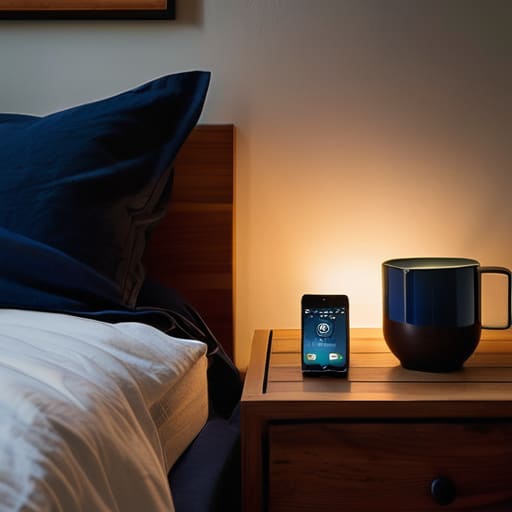
Look, I’m not asking you to overhaul your entire existence or buy a thousand-dollar smart mattress. We’ve covered the essentials: get the screens out of your face before bed, keep your room cool and dark, and stop treating your bedroom like a second office. It really comes down to reducing friction. If you make it harder to stay awake and easier to drift off, the system starts working for you instead of against you. You don’t need a complex algorithm to figure this out; you just need to stop fighting your own biology and start respecting the simple mechanics of how your body actually recharges.
At the end of the day, sleep isn’t some luxury or a productivity hack you can optimize with a new app. It’s the foundation that everything else—your job, your health, your sanity—is built upon. When you stop overcomplicating the process and just focus on the fundamentals of rest, you’ll find you have more energy for the things that actually matter when you’re wide awake. Don’t let the digital world steal your downtime. Put the phone down, shut the door, and give yourself permission to actually disconnect. You’ve earned it.