
I’ve spent half my life troubleshooting complex systems, from server racks to vintage analog synths, and if there’s one thing I’ve learned, it’s that you can’t fix a glitch by adding more complicated code. I see these “wellness influencers” pushing expensive weighted blankets, $50 lavender mists, and intricate 12-step evening rituals that look more like a chore than a way to relax. It’s nonsense. If you’re looking for how to create a wind down routine that actually works, you don’t need a shopping list of luxury goods; you need to stop treating your brain like a machine that can just be switched off with a single command.
I’m not here to sell you on a lifestyle you can’t afford or a ritual that takes more effort than the actual work you do all day. My goal is to give you a straightforward, tested framework built on systems engineering principles—the kind of practical adjustments that bridge the gap between your digital chaos and actual rest. We’re going to cut through the fluff and focus on low-friction habits that help you unplug so you can actually show up for your life when the sun comes up.
Table of Contents
Reducing Blue Light Exposure Without the Digital Headache
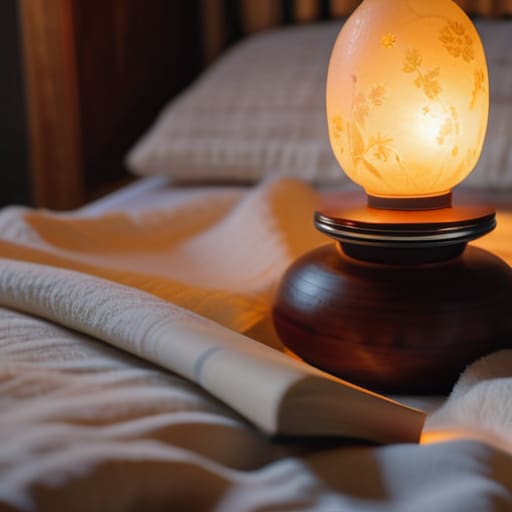
Look, I’m not going to tell you to throw your smartphone into a lake, because I know that’s not realistic for most people. But if you’re staring at a high-intensity LED screen right up until the moment you hit the pillow, you’re essentially telling your brain it’s high noon. That constant stream of blue light messes with your melatonin production, making the actual process of preparing the body for sleep a much harder uphill battle than it needs to be.
Instead of chasing expensive “blue light blocking” glasses that usually end up lost in a junk drawer, try a more systems-based approach. I started by setting my devices to “Night Shift” mode automatically at 8:00 PM, but even that is just a band-aid. The real win comes from physical distance. If you can move your scrolling to a tablet with a warmer screen, or better yet, swap the phone for a dedicated e-reader, you’ll notice a massive difference. It’s about reducing blue light exposure through smarter habits rather than relying on a gadget to fix a gadget problem.
Simple Sleep Hygiene Practices for the Real World

Most people treat sleep like a light switch—they expect to flip it and instantly go dark. But your biology doesn’t work like a digital circuit. If you want to actually improve sleep quality, you have to treat the hour before bed like a system shutdown sequence. You wouldn’t just pull the plug on a server mid-process; you’d run a graceful shutdown to protect the hardware.
Start with the physical environment. I’m not talking about buying a $500 weighted blanket or setting up a smart-home lighting scene that requires an app. Real-world sleep hygiene practices are much more tactile. Dim the lights, drop the thermostat a few degrees, and clear the clutter off your nightstand. A messy desk or a pile of laundry near your bed creates unconscious mental friction that keeps your brain in “task mode.”
Finally, swap the scrolling for something analog. Instead of trying to force yourself to meditate—which usually just results in you thinking about your to-do list—try some simple calming evening activities. Read a physical book, sketch a diagram in your notebook, or even just prep your coffee for the next morning. These small, manual tasks signal to your nervous system that the workday is officially over.
Five Low-Tech Ways to Signal Your Brain It’s Time to Shut Down
- Stop the “Just One More Scroll” Loop: Pick a hard cutoff time for your screens. If you say 9:00 PM, then at 9:00 PM, the phone goes on the charger in the kitchen, not on your nightstand. Out of sight, out of mind.
- Prep Your Morning the Night Before: This isn’t about being a productivity guru; it’s about reducing decision fatigue. Lay out your clothes or pack your bag now so your brain doesn’t have to start running marathons the second you wake up.
- Use Analog Tools to Decompress: I spend my evenings tinkering with old synths or sketching diagrams in my notebook. Find something tactile—something that doesn’t require a battery or a software update—to ground yourself in the physical world.
- Control Your Environment, Not Just Your Mind: You can’t fight biology with willpower alone. Dim the lights, drop the thermostat a couple of degrees, and get the room ready for sleep. Treat your bedroom like a cockpit prepared for landing.
- Dump the Mental Clutter: If your brain is racing with tomorrow’s to-do list, write it down. Use a physical notepad to get those thoughts out of your head and onto paper. Once it’s documented, your subconscious can stop looping on it.
The Bottom Line: Keep It Simple
Stop chasing complex 10-step wellness rituals; if a routine feels like a chore, it’s going to fail. Focus on one or two physical changes that actually move the needle.
Create a hard boundary between your digital tools and your sleeping space. Your bedroom should be a zone for rest, not a secondary office or a scrolling pit.
Prioritize consistency over perfection. It’s better to dim the lights and put the phone away every night than to try an elaborate routine only to abandon it by Wednesday.
Stop Overthinking It and Just Start
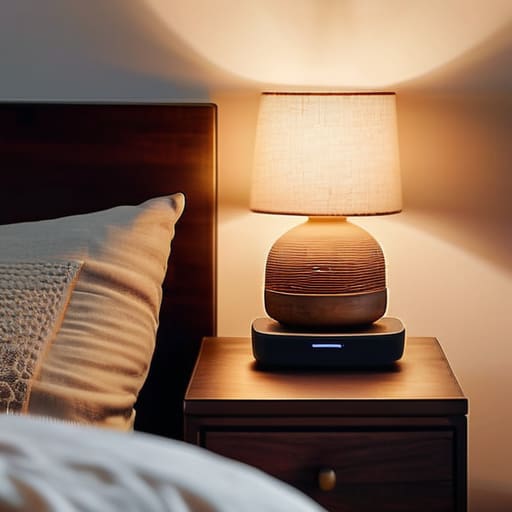
Look, we’ve covered a lot of ground here, from ditching the blue light to setting up a physical environment that actually supports sleep rather than fighting it. But if you walk away with nothing else, remember this: a wind-down routine isn’t about finding the perfect, high-tech app or a complex ten-step ritual that feels like another item on your to-do list. It’s about reducing friction between your high-speed digital day and your need to shut down. Whether it’s putting the phone in a drawer or just dimming the lights, the goal is to signal to your nervous system that the workday is officially over. Keep it simple, consistent, and functional.
At the end of the day, your brain isn’t a machine that you can just flip a switch on. It needs a buffer zone to transition from the chaos of the screen to the stillness of sleep. Don’t get caught up in the pursuit of a “perfect” routine; if you try to build a system that’s too rigid, you’re just going to break it when life gets messy. Instead, focus on building sustainable habits that bridge the gap between your digital noise and your physical reality. Build a system that works for your life, not one that requires you to work for it. Now, put the devices away and go get some actual rest.