
I was hunched over my workbench last weekend, trying to solder a loose connection on a 1970s Moog synth, when I realized my own living room was becoming a graveyard of “smart” junk. I’ve got a lightbulb that requires a firmware update, a vacuum that gets stuck on every rug, and a smart speaker that listens to my private conversations more than it actually helps me. Most people approach how to choose tech for your home by reading spec sheets and chasing the latest marketing buzzwords, but that’s a fast track to a cluttered, frustrating mess. If a gadget doesn’t solve a problem you actually have, it isn’t an upgrade; it’s just more digital noise.
I’m not here to sell you on the latest ecosystem or tell you that you need a connected toaster to live a modern life. My goal is to give you a practical framework based on years of systems engineering and real-world troubleshooting. I’m going to show you how to filter through the hype so you can build a setup that actually works for you, rather than one you have to work for. Let’s get back to basics and focus on tools that stay out of your way.
Table of Contents
Start With Smart Home Ecosystem Compatibility Not Shiny Toys

Before you even look at a single product box, you need to decide which “language” your house is going to speak. I see people all the time buying a high-end smart lock, only to realize two weeks later it won’t talk to their existing hub or lighting system. That’s not progress; that’s just creating a digital junk drawer. You need to prioritize smart home ecosystem compatibility from day one. Whether you lean toward Apple HomeKit, Google Home, or Amazon Alexa, pick a primary platform and stick to it. If a device doesn’t play nice with your chosen ecosystem, leave it on the shelf.
Building a cohesive setup is about integrating smart devices into a single, manageable workflow rather than collecting isolated gadgets. Think of it like building a custom PC or restoring one of my old synths—if the components don’t sync, the whole system fails. Don’t get caught in a cycle of troubleshooting why your doorbell won’t trigger your hallway lights. Focus on building a foundation where everything works together seamlessly, so your tech actually serves you instead of becoming another thing you have to manage.
Mastering Home Automation Budget Planning Without Wasting a Dime
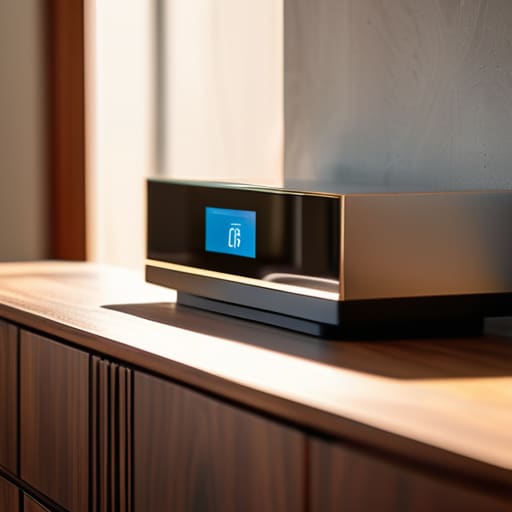
When it comes to home automation budget planning, most people make the mistake of treating it like a shopping spree rather than a project. They see a flashy new gadget on sale and think, “Why not?” before realizing that single device won’t talk to anything else they own. That’s how you end up with a drawer full of expensive paperweights. My rule of thumb is to invest in the foundation first. Instead of buying ten cheap, disconnected sensors, put that money toward a solid hub or a high-quality router. Improving home connectivity is the invisible work that makes everything else actually function.
Think of your budget like a systems engineering schematic: you need to allocate funds based on utility, not novelty. Start with the high-impact areas—like lighting or security—and work outward. If you’re integrating smart devices, ensure you aren’t just layering complexity on top of complexity. I always tell my clients to prioritize reliability over feature density. If a device promises twenty different automation routines but has a spotty connection, it’s not a tool; it’s a liability. Stick to the essentials, and you’ll build a system that serves you, rather than a system you have to constantly service.
Five Rules for Buying Gear That Actually Serves You
- Prioritize “Set and Forget” over “Constant Tweaking.” If a piece of tech requires you to open an app every single morning just to make it work, it’s not a tool—it’s a chore. I only invest in gear that runs quietly in the background.
- Check the physical footprint, not just the digital one. A smart device might look sleek in a render, but if it’s a bulky plastic eyesore that clashes with your actual living space, it’s going to annoy you within a week. Measure your shelf space before you click “buy.”
- Demand local control. I’ve seen too many people get locked out of their own homes because a manufacturer’s cloud server went down or a company went bust. Look for devices that can function on your local network without needing an internet handshake for every single command.
- Don’t over-engineer your solutions. You don’t need a smart lightbulb for every single lamp in your house. Start with the high-impact areas—like your entryway or your home office—and ignore the rest until you actually feel a friction point in your routine.
- Read the “End of Life” fine print. In my line of work, I see a lot of hardware that becomes a paperweight the moment the software updates stop. Before you drop serious cash, make sure the brand has a track record of supporting their hardware for years, not just months.
The Bottom Line: Keep It Simple and Functional
Focus on interoperability first; if a device doesn’t play nice with the systems you already own, it’s just an expensive paperweight that’ll cause you more headaches than it solves.
Buy for utility, not novelty. If a gadget doesn’t solve a specific, recurring friction point in your daily routine, leave it on the shelf and save your money.
Build in stages. Don’t try to automate your entire life in a weekend; start with one room or one problem, make sure it works reliably, and then move on to the next.
Cutting Through the Digital Noise

Look, at the end of the day, building a smart home isn’t about collecting every piece of hardware that hits the market. It’s about building a system that serves you, not the other way around. We’ve covered the essentials: prioritize an ecosystem that actually talks to itself, plan your budget so you aren’t bleeding cash on incremental upgrades, and for heaven’s sake, stop buying gadgets just because they have a fancy app. If a device doesn’t solve a recurring friction point in your daily routine, it’s just more digital clutter waiting to happen. Stick to the fundamentals of compatibility and utility, and you’ll avoid the headache of a fragmented, frustrating setup.
My advice? Take a breath and step away from the spec sheets for a second. The best technology is the kind that stays in the background, working quietly to make your life smoother without demanding your constant attention. Your home should be a sanctuary, not a secondary job where you’re troubleshooting firmware updates every Tuesday night. Focus on tools that bridge the gap between your digital convenience and your physical peace of mind. Build your system slowly, build it with purpose, and always remember that the goal is to live more, not to manage more.