
I was sitting at my workbench last Tuesday, mid-way through stripping the old capacitors out of a 1970s Moog, when I realized I was reaching for a soda for the third time that afternoon. My brain felt like it was running on a glitchy operating system—lagging, overheating, and completely inefficient. I’ve spent my career designing systems that work, yet I was letting my own biology crash because I fell for the marketing trap. Most people think learning how to reduce sugar requires a $200 monthly subscription to a meal-prep service or a pantry full of “natural” sweeteners that cost more than my first car. It’s all engineered noise designed to make a simple problem feel impossible.
I’m not here to sell you on a lifestyle overhaul or a complicated macro-tracking app that takes more time to manage than the actual eating. My approach is much more like my engineering background: we’re going to identify the points of failure in your current routine and apply straightforward, manual fixes. I’m going to show you how to audit your environment and swap out the junk for things that actually fuel you, without the life hack nonsense. Let’s get to work.
Table of Contents
Exposing the Hidden Sugars in Processed Foods
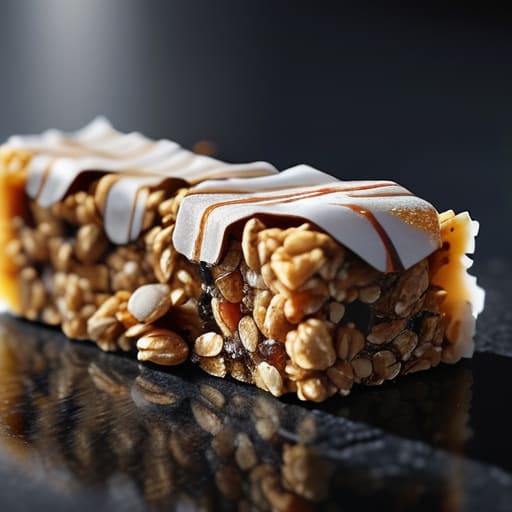
Here’s the problem: most people think they’re eating clean when they’re actually being played by a marketing department. You look at a label for a “healthy” granola bar or a jar of pasta sauce, and it looks fine. But once you start digging into the fine print, you realize the manufacturer has just swapped out “sugar” for ten different aliases like maltodextrin, barley malt, or high fructose corn syrup. These hidden sugars in processed foods are designed to be virtually undetectable to your taste buds while still spiking your insulin levels. It’s a system designed to keep you coming back for more, much like a poorly optimized piece of software that constantly drains your battery.
If you want to actually take control, you have to stop reading the front of the box and start reading the back. I treat food labels like a technical schematic; if I can’t identify the components, I don’t trust the build. Instead of chasing complex diet trends, focus on identifying these chemical aliases before they hit your grocery cart. When you strip away the processed junk and stick to whole ingredients, you aren’t just dieting—you’re debugging your entire metabolic system.
Managing Blood Sugar Spikes Without the Stress

Look, you don’t need a bio-hacking wearable or a PhD in nutrition to handle the post-lunch crash. Most people think they need to overhaul their entire diet overnight, but that’s a recipe for failure. Instead, focus on the order in which you eat. If you start a meal with fiber or protein—think a handful of nuts or some greens—you create a physical buffer in your gut. This simple mechanical change is one of the most effective ways of managing blood sugar spikes because it slows down how fast glucose hits your bloodstream. It’s about building a better system, not more willpower.
When the afternoon slump hits and you’re reaching for something sweet, skip the vending machine. Most of those “energy bars” are just glorified candy bars with better marketing. I always keep a few healthy snack alternatives in my kit, like almonds or a piece of hard cheese. These provide steady fuel without the inevitable crash. If you absolutely need a sweetener, stick to minimalist, whole-food options rather than chasing every new chemical sweetener on the market. Keep it simple, keep it stable, and stop fighting your biology.
Five Practical Ways to Cut Back Without Turning Your Life Upside Down
- Stop drinking your sugar. Most people are flooding their systems with liquid glucose through sodas, energy drinks, and even “healthy” fruit juices. Switch to sparkling water or plain old coffee. It’s the fastest way to see a change without having to rethink every single meal.
- Read the labels like you’re inspecting a blueprint. If a product has five different names for sugar—sucrose, high fructose corn syrup, maltodextrin, you name it—put it back on the shelf. If it’s in the first three ingredients, it’s not food; it’s a dessert disguised as a staple.
- Prioritize protein and fats at breakfast. If you start your day with a sugary cereal or a pastry, you’re setting yourself up for a blood sugar roller coaster that’ll leave you crashing by 10 AM. Eat eggs or something substantial to stabilize the system from the jump.
- Keep the “emergency” snacks smart. We all have those moments where we’re starving and reaching for whatever is closest. Keep a handful of nuts or some jerky in your bag. If you have a functional alternative ready, you won’t default to the vending machine junk.
- Don’t aim for perfection; aim for better systems. If you try to cut every gram of sugar out overnight, you’ll burn out in a week. Just focus on one thing at a time—like cutting out dessert on weekdays—and build from there. Consistency beats intensity every single time.
The Bottom Line: Keep It Simple
Stop playing detective with every label; if the first three ingredients are sugar or its aliases, just put it back on the shelf.
Focus on the foundation—eat real food that doesn’t require a chemistry degree to understand, and the cravings will settle down on their own.
Don’t aim for perfection; just aim for a system that works, like swapping one processed snack for a handful of nuts, and stick to it.
Cutting Through the Noise
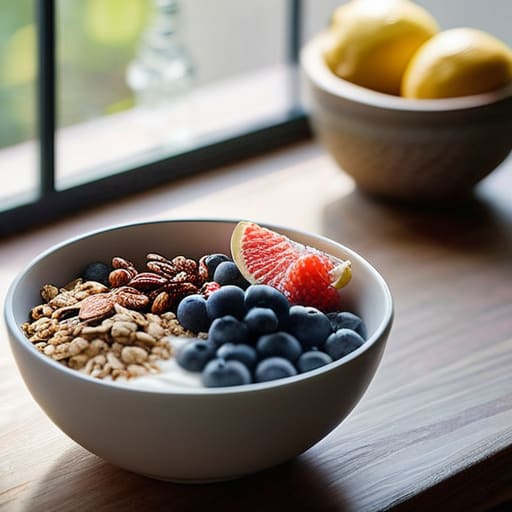
Look, we’ve covered a lot of ground here, but it really boils down to two things: awareness and simplicity. You don’t need a PhD in nutrition or a high-tech app to track every single gram of glucose that enters your system. You just need to keep an eye on the labels for those hidden additives and learn to pair your carbs with some actual substance, like protein or fats, to keep your energy levels steady. If you focus on identifying the processed junk and managing those inevitable spikes, you’ve already won more than most people ever do. It isn’t about achieving perfection; it’s about building a system that works for your actual lifestyle, not some idealized version of it.
At the end of the day, don’t let the complexity of the modern food industry paralyze you. Most of the “wellness” industry thrives on making you feel like you need a complicated, expensive solution for a problem that can be solved with common sense. Strip away the marketing fluff and the fancy diet names, and you’ll find that real health is remarkably straightforward. Just take it one meal at a time, stick to the basics, and focus on what makes your body feel functional rather than fueled by a temporary rush. You’ve got the tools; now just get to work.