I’m sick of seeing those “wellness influencers” tell you that healthy eating on a budget requires a $200 weekly haul of organic acai bowls, artisanal sourdough, and supplements you don’t even need. It’s total nonsense. Most of that advice is just a way to sell you a lifestyle that’s more expensive than it is effective. I grew up in a house where we didn’t have the luxury of chasing superfood trends; we had to make sure the food on the table actually fueled the work without breaking the bank. If a “health hack” requires a subscription service or a specialized grocery store, it’s not a solution—it’s a system failure.
I’m not here to give you a list of trendy ingredients that will expire in your crisper drawer by Tuesday. Instead, I’m going to show you how to apply some basic systems engineering to your kitchen. We’re going to focus on high-yield staples, smart bulk buying, and meal structures that actually work when you’re exhausted after a long day. My goal is to give you a straightforward, tested blueprint for eating well without the fluff, so you can stop overcomplicating your plate and start seeing real results.
Table of Contents
The No Nonsense Guide to Affordable Whole Foods
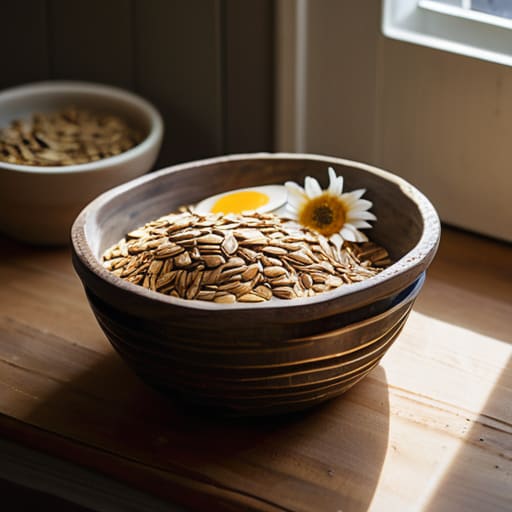
Look, you don’t need a specialized organic market or a PhD in nutrition to eat well. Most of the “superfoods” you see trending on social media are just overpriced marketing gimmicks. If you want to actually see results without draining your savings, you need to focus on affordable whole foods that have been staples for generations. I’m talking about things like oats, lentils, brown rice, and eggs. These aren’t fancy, but they are incredibly reliable systems for fueling your body.
When I’m mapping out a week, I don’t aim for culinary perfection; I aim for efficiency. The secret is identifying low cost protein sources like dried beans or canned tuna that can be tossed into almost any meal. I also make it a point to shop based on what’s actually in season. You get better flavor and a much lower price tag when you aren’t trying to force a strawberry into your diet in the middle of January. It’s about working with the natural supply chain rather than fighting against it. Keep your pantry stocked with these basics, and you’ll stop making those expensive, impulsive decisions at the checkout counter.
Building a Nutritious Grocery List on a Budget
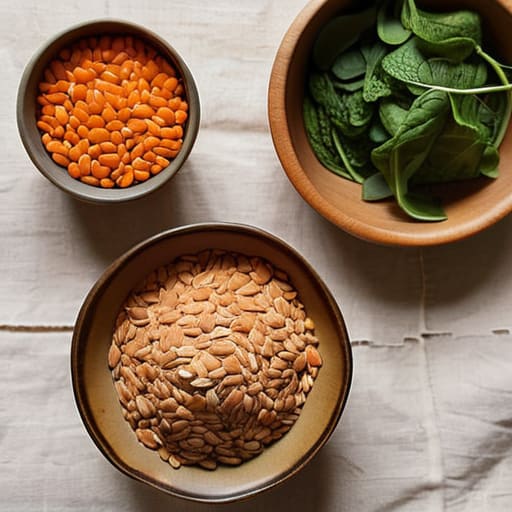
Look, a grocery list shouldn’t be a complex engineering schematic, but if you walk into a store without a plan, you’ve already lost the battle. I’ve learned the hard way that impulse buys are the silent killers of a bank account. To keep things efficient, I treat my list like a system: group items by aisle to reduce time spent wandering, and stick to a strict framework. Focus on building a nutritious grocery list on a budget by prioritizing versatile staples—think oats, brown rice, and lentils—that serve as the foundation for multiple meals.
Don’t get distracted by the flashy, “superfood” marketing on the middle shelves. Instead, look for low cost protein sources like eggs, canned tuna, or dried beans; they provide the most bang for your buck without the heavy price tag of premium cuts of meat. I also make it a rule to check the seasonal section. Taking advantage of seasonal produce benefits isn’t just about better flavor; it’s about buying what’s abundant and cheap rather than what’s been flown halfway across the world. Keep it simple, keep it functional, and keep it moving.
Five Ways to Stop Bleeding Cash at the Grocery Store
- Buy staples in bulk. I’m talking rice, beans, oats, and lentils. These things have a long shelf life and a tiny price tag per serving. If you’re buying small, single-serve packets, you’re essentially paying a “convenience tax” that eats your budget alive.
- Stop falling for the “organic” trap. If you can’t afford to buy everything organic, don’t bother. Focus your money on the dirty dozen and stick to conventional versions of the rest. A carrot is still a carrot, whether it’s certified organic or not.
- Master the art of the frozen aisle. Frozen vegetables are often more nutrient-dense than the “fresh” stuff that’s been sitting on a truck for a week, and they won’t rot in your crisper drawer while you forget about them. It’s efficient, zero-waste eating.
- Treat meat as a side dish, not the main event. Meat is almost always the most expensive item in your cart. Use it for flavor rather than making it the centerpiece of every meal. Supplement your protein with cheaper, reliable sources like eggs or legumes.
- Stick to a strict, written plan. Wandering the aisles without a list is a recipe for impulse buys and expensive, processed junk. If it’s not on the list, it doesn’t go in the cart. Period. Control the system, or the system will control your wallet.
The Bottom Line for Your Wallet and Your Health
Stop chasing expensive “superfoods” and stick to the staples—beans, grains, and seasonal produce actually provide the fuel you need without the marketing markup.
Shop with a system, not a whim; a disciplined list prevents impulse buys and keeps you from wasting money on junk that’ll just sit in your pantry.
Focus on bulk and prep; buying in larger quantities and cooking in batches is the only way to bridge the gap between eating well and staying under budget.
Cutting Through the Noise
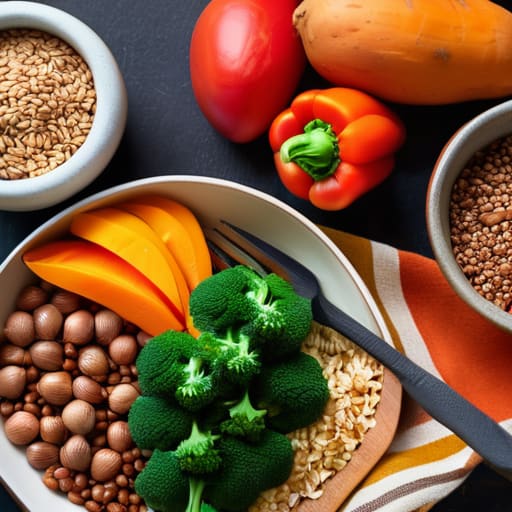
Look, at the end of the day, eating well doesn’t require a PhD in nutrition or a massive credit limit. It comes down to the systems we talked about: buying staples in bulk, sticking to a damn list, and prioritizing whole foods over those overpriced, pre-packaged “health” traps that cost a fortune. You don’t need a smart kitchen or a subscription service to succeed; you just need a solid plan and some discipline at the grocery store. If you focus on the fundamentals—protein, grains, and seasonal produce—you’ll find that the math actually starts to work in your favor. Stop chasing the latest superfood trend and focus on what actually fills your plate and your stomach without breaking the bank.
I’ve spent my career fixing broken systems, and I can tell you that the most effective solutions are usually the simplest ones. Managing your diet is no different. It’s not about being perfect every single day; it’s about building a sustainable framework that works when your life gets messy and your schedule gets tight. Don’t let the complexity of the wellness industry intimidate you into giving up before you start. Keep it simple, keep it functional, and remember that the best system is the one you can actually stick to when the screen goes dark and you’re just trying to get dinner on the table.