
I spent three weeks last year trying to “optimize” my fitness using a high-end wearable, a subscription-based coaching app, and a meal plan that required more prep time than my actual job. It was a total system failure. I was spending more time tweaking digital metrics than actually breaking a sweat, which is the exact opposite of how to build an exercise habit that actually sticks. We’ve been sold this lie that you need a suite of expensive gadgets and a complex data-driven strategy just to get your heart rate up, but all that noise does is create friction between you and the movement you need.
I’m not here to sell you on a new app or a biohacking miracle. My goal is to strip away the digital clutter and get back to the basics of human mechanics. I’m going to show you how to build a routine using simple, repeatable systems that work in the real world, not just on a spreadsheet. We’re going to focus on low-friction methods that bridge the gap between your busy life and your physical health, ensuring you stay consistent even when the screen goes dark.
Table of Contents
The Behavioral Psychology of Habit Formation Without the Fluff

Look, you don’t need a PhD to understand why you end up sitting on the couch instead of hitting the pavement. Most people treat fitness like a massive, daunting project they have to launch, but the behavioral psychology of habit formation tells a different story. It isn’t about willpower; it’s about reducing the friction between your current state and the action you want to take. If your gym bag is buried under a pile of laundry, you’ve already lost the battle before it started.
The trick is to stop trying to overhaul your entire identity overnight. Instead of aiming for a marathon, focus on habit stacking for exercise. This means anchoring a new movement to something you already do without thinking—like doing ten air squats while your coffee brews. You aren’t trying to reinvent yourself; you’re just building a system of small, repeatable wins. When you focus on consistency in fitness routines rather than intensity, you stop fighting your own brain and start working with it. It’s about making the right choice the easiest choice.
Setting Realistic Fitness Goals That Actually Meet Reality
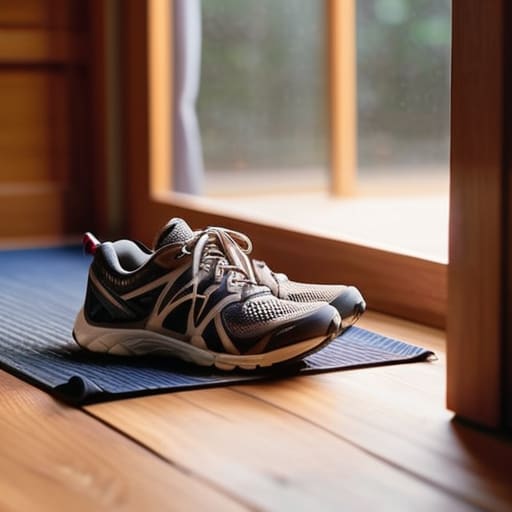
Most people approach fitness like a software rollout that’s way too ambitious for the current hardware. They decide on New Year’s Day that they’re going to hit the gym six days a week for ninety minutes. By week three, they’re burnt out, frustrated, and back on the couch. That’s not a failure of willpower; it’s a failure of systems engineering. When you’re setting realistic fitness goals, you have to account for the friction of real life—the late meetings, the sick kids, and the days you just feel like garbage.
I tell my clients to design for their worst days, not their best ones. If your plan requires you to be a superhero just to stay on track, your system is broken. Instead of aiming for perfection, aim for minimum viable progress. If you can’t do a full hour, do ten minutes. It’s about building a sustainable fitness lifestyle where the barrier to entry is so low that you can’t use “being busy” as an excuse to quit. Keep the scope small, keep the momentum steady, and stop trying to optimize for a version of yourself that doesn’t exist.
Five Low-Friction Tactics to Get You Moving
- Stop hunting for the “perfect” workout. You don’t need a $2,000 smart bike or a boutique gym membership to build a habit. Start with something so simple it feels almost insulting—like a fifteen-minute walk or ten pushups before your morning coffee. The goal isn’t intensity right now; it’s showing up.
- Use “habit stacking” to bypass the decision fatigue. Don’t try to find a new slot in your day; anchor the movement to something you already do without thinking. If you always brew coffee at 7:00 AM, do your mobility stretches while the water heats up. Link the new behavior to an existing system.
- Prepare your environment the night before. I treat my gear like a pre-flight checklist. If you have to hunt for clean socks and a misplaced gym bag at 6:00 AM, you’ve already lost the mental battle. Lay your clothes out where you can see them. Reduce the friction between your intention and the action.
- Audit your “fitness tech” obsession. If you spend more time configuring your smartwatch and analyzing your sleep data than you do actually sweating, you’re overcomplicating the system. Data is useful for tracking progress, but it’s not a substitute for movement. If the screen is the only reason you’re exercising, you’re doing it wrong.
- Focus on consistency over intensity. In engineering, a system that runs steadily at 60% capacity is often more reliable than one that runs at 100% and then crashes. A mediocre workout that you actually complete is infinitely better than a “perfect” heavy lifting session that you skip because you’re too tired. Build the rhythm first; add the load later.
Cutting Through the Noise: My Three Rules for Staying Consistent
Stop hunting for the “perfect” workout. Whether it’s a heavy lifting session or a twenty-minute walk around the block, the best system is the one you actually show up for when you’re tired.
Build your habit around existing anchors. Don’t rely on willpower; tie your movement to something you already do, like stretching while your coffee brews or doing lunges during a meeting call.
Prioritize function over aesthetics. Focus on what your body can actually do and how it feels, rather than chasing a digital metric or a filtered image that doesn’t reflect your real-world progress.
Stop Planning and Start Moving

Look, we’ve covered a lot of ground here. We talked about stripping away the psychological nonsense and focusing on how your brain actually builds a routine, and we looked at why your “dream goals” are usually the very thing sabotaging your progress. The takeaway is simple: stop trying to engineer a perfect, frictionless system that only exists in your head. You don’t need a $200 smartwatch or a customized meal plan to start. You just need to reduce the friction between your current state and the first step of the movement. Build small, keep your goals grounded in what your actual schedule allows, and for heaven’s sake, stop over-optimizing the preparation and start focusing on the execution.
At the end of the day, a fitness habit isn’t about achieving some aesthetic ideal you saw on a screen; it’s about maintaining the hardware you live in. Think of it like maintaining a piece of vintage gear—if you wait until it’s completely broken to service it, you’ve already lost the battle. Real, sustainable progress is often boring, repetitive, and unglamorous, but that’s exactly why it works. Don’t wait for the perfect moment of motivation to strike. Just show up for the work, keep it simple, and trust the process of consistent, small wins. Now, put the phone down and go get moving.