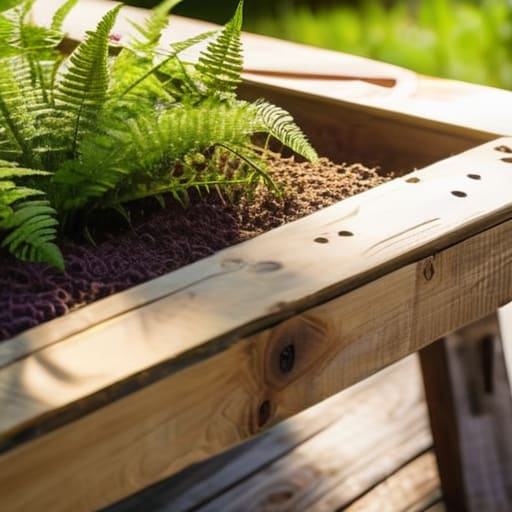
I’ve spent half my life troubleshooting complex systems, and if there’s one thing I’ve learned, it’s that most people make things way harder than they need to be. You see them scrolling through endless, high-production DIY videos, getting overwhelmed by expensive power tools and “aesthetic” finishes that look great on camera but fall apart in a week. If you’ve got a stack of wood sitting in your driveway, you don’t need a masterclass in carpentry; you just need some solid pallet project ideas that respect your time and your budget. Most of the fluff out there is just noise, and frankly, it’s a waste of a good Saturday.
In this post, I’m cutting through that clutter to give you six practical, no-nonsense builds that actually bridge the gap between raw materials and functional furniture. We aren’t chasing Pinterest perfection here; we’re focusing on structural integrity and utility. I’m going to show you how to transform that scrap wood into items that serve a real purpose in your home, using tools you likely already have in your garage. Let’s stop overthinking the process and start building something useful.
Table of Contents
The Low-Profile Garden Bed
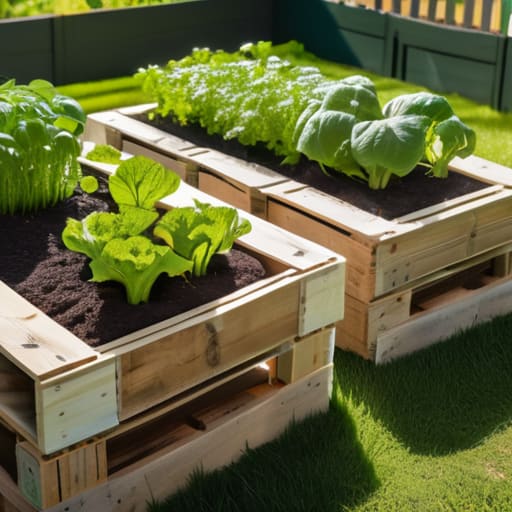
Most people try to build these elaborate, multi-tiered vertical gardens that end up looking like a chaotic mess of splintered wood within a month. If you want something that actually holds up, keep it simple: use the pallets to create a sturdy, raised garden bed right at ground level. You don’t need fancy joinery here; just stack the pallets, secure them with heavy-duty screws, and line the inside with a thick layer of landscape fabric to keep the soil from leaching through the cracks.
A Rugged Vertical Tool Rack
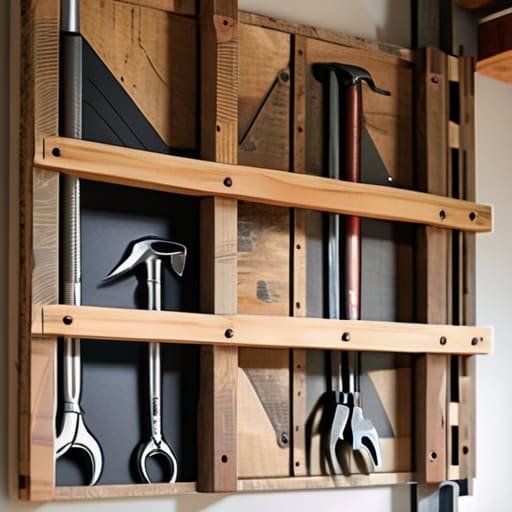
My workshop is a constant battle against clutter, and I’ve learned that if a tool doesn’t have a dedicated home, it ends up on the bench. Instead of buying those flimsy plastic organizers, grab a pallet and mount it directly to your garage wall. You can slide hand tools into the gaps or screw in some small wooden blocks to create customized slots for your wrenches, screwdrivers, and pliers.
The Minimalist Coffee Station
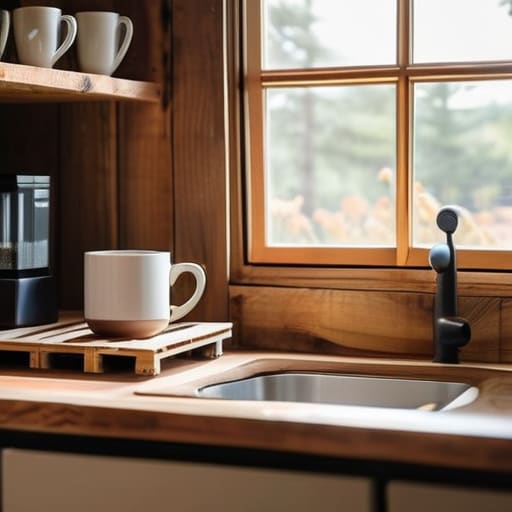
If you’ve got a corner of your kitchen or a small nook in your office that’s just gathering dust, a pallet coffee station can fix that. You aren’t building a whole kitchen island; you’re just creating a dedicated zone for your caffeine ritual. Strip a pallet down, sand it smooth, and use the slats to create a shallow shelf for your mugs and beans.
Heavy-Duty Outdoor Bench
When you’re sitting outside, you want something that feels solid, not a lightweight folding chair that wobbles every time the wind blows. You can construct a surprisingly decent bench by using the thicker, structural parts of the pallet for the seat and legs. It’s a bit more heavy lifting than a planter box, but the structural stability you get from that dense pine is worth the extra effort.
The No-Nonsense Mudroom Organizer
The No-Nonsense Mudroom Organizer
We all have that pile of shoes and heavy coats by the door that makes the house feel messy the second you walk in. A repurposed pallet can act as a vertical command center for your entryway. By mounting it upright, you can use the natural slats to hang keys, hats, and even heavy work gloves using simple hooks.
Rustic Side Table for the Patio
You don’t need to spend hundreds on designer outdoor furniture that’s made of thin aluminum. A pallet side table is a quick project that provides a stable surface for your drinks or a book while you’re sitting on the porch. You can either keep the pallet whole for a chunky, industrial look or break it down to create a more refined, square tabletop.
The Bottom Line
Don’t fall into the “perfection trap”—a pallet project doesn’t need to look like a showroom piece to be useful; it just needs to be sturdy and serve a purpose.
Prioritize safety over aesthetics by spending the extra ten minutes sanding away splinters and checking for loose nails before you bring any wood into your living space.
Match the project to your current toolset rather than buying a whole new workshop; if you only have a hammer and a saw, stick to the builds that only require those.
Get to Work and Stop Overthinking
Look, we’ve covered a lot of ground here, from simple vertical planters to more involved furniture builds. The common thread in all these projects isn’t some high-priced power tool or a complex blueprint; it’s about seeing the functional potential in something most people just see as trash. Whether you’re building a garden wall to organize your backyard or a rugged coffee table for the living room, the goal is the same: take a raw material, apply a bit of logic, and create something that serves a purpose. You don’t need a degree in fine woodworking to make these work, you just need to respect the material and follow the steps without getting lost in the weeds.
At the end of the day, the most important part of any DIY project isn’t how it looks on an Instagram feed—it’s the fact that you actually built it yourself. There’s a specific kind of satisfaction that comes from looking at a piece of furniture and knowing it exists because you put in the effort. Don’t let the fear of a crooked nail or a messy sanding job stop you from starting. Grab your multi-tool, clear off your workspace, and just start building. The world has enough polished, mass-produced junk; what it needs is more stuff that has a bit of real-world character.