
I was hunched over my workbench last Tuesday, trying to trace a faulty circuit on a 1970s Moog synth, when I realized I’d spent the last forty minutes scrolling through a feed of nothingness. My hands were covered in dust and solder, but my brain was stuck in a digital loop. It’s a ridiculous paradox: we use these incredibly advanced tools to build our lives, yet we let them hijack our attention without a fight. Most of the advice you see online about how to lower screen time is absolute garbage—it’s always some complex, subscription-based app that promises to track your “mindfulness” while actually just giving you another notification to obsess over.
I’m not here to sell you a new productivity suite or a digital detox retreat. I’m going to give you the same straightforward, mechanical approach I use when I’m troubleshooting a system failure. We’re going to look at physical boundaries and simple habit shifts that actually stick when the screen goes dark. No fluff, no expensive gadgets—just tested methods to help you reclaim your focus and get back to the real world that matters.
Table of Contents
Setting Screen Time Limits That Actually Stick

Most people approach setting screen time limits like they’re trying to install a piece of buggy software—they set a rigid timer, fail to meet it once, and then scrap the whole system. That’s not how you build lasting digital wellbeing habits. If you want these boundaries to hold, you have to stop treating them like punishments and start treating them like system constraints. I’ve found that the most effective way to do this is by creating “no-fly zones.” Pick a specific time, like 8:00 PM, where the phone goes into a drawer in the kitchen. It’s not about willpower; it’s about removing the temptation from your immediate environment so you aren’t constantly fighting an uphill battle against your own impulses.
Don’t try to overhaul your entire digital life overnight. If you attempt a total smartphone addiction recovery in one weekend, you’ll burn out by Tuesday. Instead, pick one high-friction activity—like scrolling through news feeds while eating—and replace it with something tactile. Whether it’s sketching in my notebook or tinkering with a circuit board, the goal is improving focus and productivity by reclaiming those small, stolen pockets of time. Build the system slowly, one rule at a time.
Smartphone Addiction Recovery Without the Fancy Apps
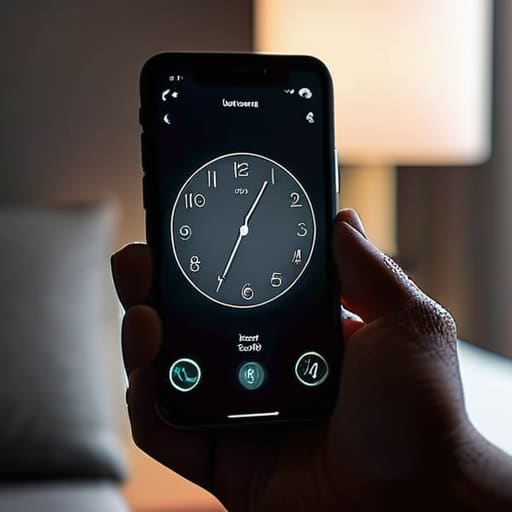
Look, I’ve seen enough “productivity” apps to know they usually just become another source of notifications to ignore. If you’re looking for a magic piece of software to solve your smartphone addiction recovery, you’re just adding more digital clutter to an already overloaded system. Most of these apps are just layers of complexity built on top of the very problem they claim to fix. Instead of downloading another tracker, try something more tactile. Start by turning your screen to grayscale. It sounds trivial, but stripping away those bright, dopamine-triggering colors makes the device feel like the tool it is, rather than a slot machine in your pocket.
Real digital wellbeing habits aren’t built in an app store; they’re built through physical boundaries. I’ve found that the most effective method is creating “analog zones” in your house—places like the dining table or the bedroom where the phone simply isn’t allowed to go. When you physically remove the device from your immediate environment, you stop the subconscious reflex of reaching for it every time there’s a lull in conversation. It’s about reclaiming your physical space and proving to yourself that you can exist in a room without a glowing rectangle demanding your attention.
Five Practical Ways to Reclaim Your Focus
- Go grayscale. Most apps are designed like slot machines, using bright, saturated colors to hijack your dopamine levels. If you switch your phone’s display to black and white in the accessibility settings, Instagram and TikTok suddenly look a lot less appetizing.
- Establish “Analog Zones.” Pick a few spots in your house—like the dining table or the bedroom—where devices are strictly forbidden. If you want to check your email, you have to stand up and go to the desk. Making it a conscious physical movement breaks the mindless scrolling loop.
- Audit your notifications. If it isn’t a direct message from a human being or a time-sensitive alert, you don’t need a buzz in your pocket. Turn off everything else. Most of those red badges are just digital noise designed to pull you back into the machine.
- Buy a dedicated alarm clock. One of the biggest traps is using your phone as your bedside companion. It’s too easy to hit snooze and end up falling down a rabbit hole of news or social media before your feet even hit the floor. Get a cheap, reliable clock and leave the phone in another room overnight.
- Keep a physical notebook nearby. A lot of my “screen time” is actually just me trying to remember tasks or jot down ideas so I don’t lose them. Instead of opening a notes app and getting distracted by a notification, just write it down on paper. It’s faster, it works, and it keeps your eyes off the glass.
The Bottom Line
Stop looking for a software solution to a behavioral problem; if you want to change your habits, you have to change your physical environment, not your app settings.
Treat your attention like a finite resource in a project budget—stop letting mindless scrolling leak your mental energy before you’ve even started your real work.
Build “analog buffers” into your day, like leaving the phone in a drawer during meals or in another room at night, to bridge the gap between your digital habits and your actual life.
The Reality Check

At the end of the day, lowering your screen time isn’t about finding some perfect, high-tech solution or downloading a subscription-based app that tracks your every move. It’s about the fundamentals we’ve talked about: setting hard boundaries, removing the friction that keeps you scrolling, and treating your attention like a finite resource. Whether you’re physically leaving your phone in another room or simply stripping your home screen down to the bare essentials, the goal is the same. You aren’t trying to win a war against technology; you’re just trying to reclaim the space that these devices have quietly occupied in your life.
Don’t get caught up in the idea that you have to go completely dark to be successful. This isn’t about living like a hermit; it’s about ensuring that when you are staring at a screen, it’s for a reason, and when you aren’t, you are actually present in the world around you. Put the phone down, pick up a real book, or go fix something in the garage. The digital world will still be there when you get back, but the physical world—the one where things actually happen—is waiting for you right now. Stop overcomplicating it and just start living.