
I spent three hours last Tuesday trying to troubleshoot a server error while staring at a dual-monitor setup that felt like it was sucking the soul right out of my skull. I had three different “mindfulness” apps open on my phone, all promising to fix my stress, but all they did was add more digital clutter to an already overflowing day. It’s ridiculous how we try to solve biological problems with more silicon. We’ve been sold this idea that we need expensive retreats or complex wellness regimens to reset, but the actual benefits of time in nature don’t require a subscription fee or a high-speed connection. Sometimes, you just need to get your boots on dirt and shut the laptop.
I’m not here to give you some flowery, poetic lecture about the “majesty of the forest.” I’m a systems guy; I care about what actually moves the needle when your brain feels like it’s redlining. In this post, I’m going to lay out a few straightforward, tested methods to help you integrate the outdoors into a busy, tech-heavy life without making it another chore on your to-do list. We’re going to focus on practical integration—the kind of stuff that works when the screen finally goes dark.
Table of Contents
The Mental Health Benefits of Forest Bathing

Look, I’m not a doctor, but I know a system failure when I see one. When your brain feels like a browser with fifty tabs open and half of them are frozen, you don’t need another meditation app or a “mindfulness” notification. You need to get under a canopy. There’s a reason people talk about the mental health benefits of forest bathing; it’s not just some hippy-dippy trend. It’s about sensory recalibration. When you’re surrounded by trees, your nervous system finally gets the signal to stop scanning for digital threats and start actually breathing.
It’s more than just a mood boost, either. There is a legitimate connection between nature and cognitive function that we tend to ignore in our climate-controlled offices. When you step into a wooded area, you aren’t just taking a walk; you’re engaging in a form of biological maintenance. The quiet, the fractal patterns in the leaves, and the lack of blue light act like a hard reset for your prefrontal cortex. It’s the most efficient way I know to lower your cortisol levels without spending a dime on a subscription service.
Why Nature Therapy and Stress Reduction Actually Work
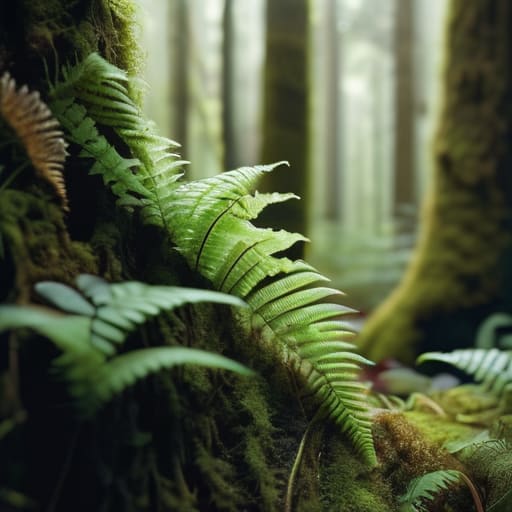
Look, I’m a systems guy. I like to know why a component works before I trust it. When we talk about nature therapy and stress reduction, it isn’t just some “woo-woo” concept; it’s about how our biological hardware responds to the environment. We weren’t built to stare at blue-light-emitting rectangles for fourteen hours a day. Our nervous systems are essentially wired to react to organic patterns, a concept often called the biophilia hypothesis explained in academic circles. When you step away from the hum of the server rack or the constant ping of notifications, your body actually recognizes the shift.
It’s a measurable, physical recalibration. I’m talking about the physiological effects of outdoor exposure—the way your cortisol levels drop and your heart rate variability stabilizes once you’re under a canopy of trees instead of under fluorescent office lights. It’s not about finding enlightenment; it’s about lowering the system load. When you stop treating your brain like a processor running at 100% capacity, you finally give it the bandwidth to reset.
How to Actually Do It Without Making It a Chore
- Leave the phone in the truck. I’m serious. If you’re out there just to capture a photo for Instagram, you haven’t actually left the digital world; you’ve just brought the screen into a prettier setting. Leave it behind and let your eyes do the work.
- Stop looking for a “destination.” You don’t need a national park or a guided trek to get the benefits. A twenty-minute walk through a local patch of woods or even a decent city park works just as well. It’s about the environment, not the mileage.
- Use your senses, not just your eyes. When I’m working on an old synth, I’m listening for specific frequencies. Do the same outside. Listen to the wind, feel the temperature change under a tree canopy, or notice the smell of rain on dirt. It forces your brain to ground itself in reality.
- Ditch the fitness trackers for a bit. If you’re constantly checking your heart rate or counting steps, you’re just turning a moment of peace into another data point to manage. Nature isn’t a metric; it’s a reset.
- Keep it simple and consistent. Don’t plan a massive weekend expedition that you’ll eventually be too tired to execute. Aim for small, manageable windows of time. A reliable ten-minute sit on a bench is better than a three-hour hike you only do once a year.
The Bottom Line
Stop looking for a high-tech solution to a low-tech problem; your brain doesn’t need another meditation app, it needs actual sunlight and fresh air.
Treat time outdoors like a scheduled maintenance task for your mental hardware—if you don’t build in the downtime, the system eventually crashes.
Keep it simple: you don’t need a mountain expedition to see results, just get away from the blue light and move until the mental noise settles down.
Getting Back to Basics

Look, we’ve spent the last few sections talking about the science and the theory, but let’s bring this back down to earth. Whether it’s the physiological reset you get from forest bathing or the simple way nature strips away the mental noise, the takeaway is the same: your brain wasn’t designed to live in a 24/7 loop of notifications and blue light. You don’t need a specialized retreat or a high-end hiking setup to reap these rewards. You just need to stop overthinking the logistics and realize that a twenty-minute walk without your phone is more effective than any expensive wellness app on the market. It’s about reclaiming your focus by stepping away from the digital clutter.
At the end of the day, I’ve spent my career optimizing systems, and I can tell you that the human operating system needs downtime that isn’t simulated. We spend so much time trying to “hack” our productivity and our mental health through screens, but the most efficient way to reset is often the most analog one. Don’t wait for a scheduled vacation to find some peace. Just grab your shoes, leave the charger behind, and go find a patch of green. Sometimes, the best way to move forward in your career or your life is to simply step outside and disconnect for a while.