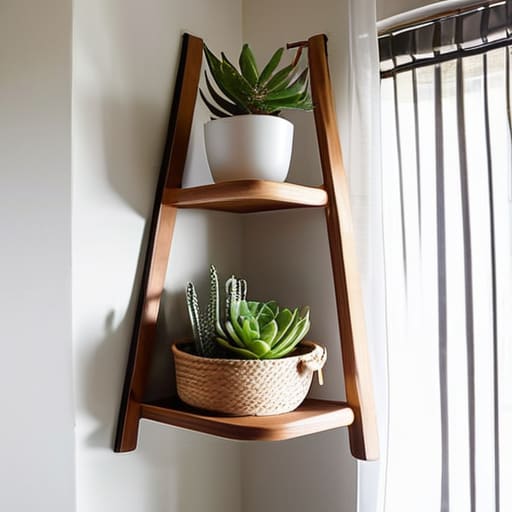
I was elbow-deep in a pile of tangled patch cables and rusted capacitors last Tuesday, trying to find a single 10k resistor for a 1970s synth restoration, when I realized my workspace was a total disaster. I didn’t need some $200 modular drawer system from a boutique office supplier; I needed a way to actually see my gear without digging through a mountain of junk. Most people will tell you that you need expensive, specialized kits to fix a messy room, but those over-engineered diy storage solutions are usually just a way to sell you plastic you don’t need. If a system requires a manual thicker than a technical spec sheet just to organize your screwdriver set, it’s a failed design.
I’m not here to give you a list of Pinterest crafts that look pretty but fall apart the moment you put any real weight on them. My goal is to show you how to build rugged, functional systems that bridge the gap between your chaotic workspace and a streamlined environment. We’re going to focus on straightforward, tested methods that use basic materials to solve real-world clutter. Let’s cut the fluff and get your space working for you instead of against you.
Table of Contents
Budget Friendly Home Organization Without the Fluff
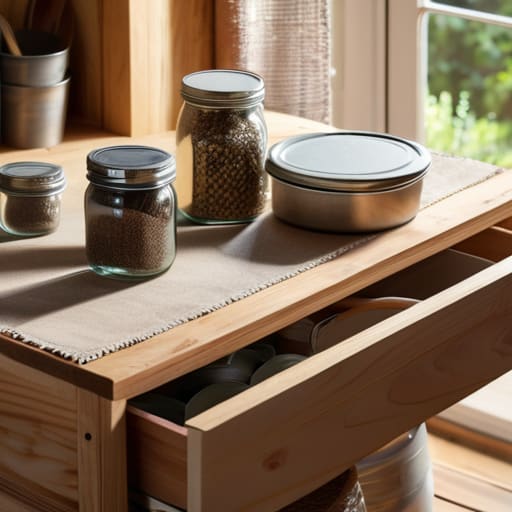
Look, you don’t need to drop a month’s rent at a boutique home goods store to get your life in order. Most of those high-end organizational systems are just overpriced plastic shells that look good in a catalog but fail the moment you actually use them. If you want budget friendly home organization, you need to stop looking at what’s on sale and start looking at what’s already in your recycling bin or your garage.
I’ve spent years working with systems, and the most efficient ones are often the simplest. Instead of buying specialized bins for everything, start looking into repurposed container ideas. An old wooden crate from the shed or even sturdy cardboard boxes reinforced with some heavy-duty tape can serve as excellent drawer dividers or shelf organizers. It’s about function over fashion.
If you’re dealing with tight quarters, stop thinking horizontally. Most people ignore their walls, but that’s where your real real estate is. Using some basic vertical storage techniques—like mounting simple wooden slats or using heavy-duty hooks—can clear up your floor space instantly. It’s not about decorating; it’s about reclaiming your square footage without breaking the bank.
Vertical Storage Techniques to Reclaim Your Floor Space
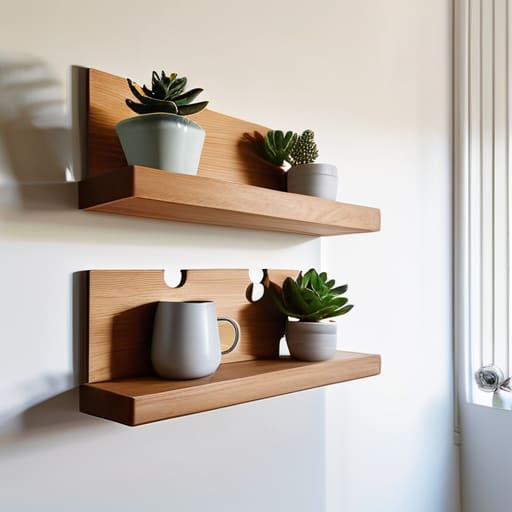
If you’re living in a small footprint, your floor is your most valuable real estate. Stop thinking about how much you can fit on the ground and start looking at your walls. I’ve seen too many people buy massive, heavy bookshelves that just eat up walking space when they could have used a simple pegboard system instead. Using vertical storage techniques isn’t just about aesthetics; it’s about reclaiming the square footage you’re currently wasting. Whether it’s mounting heavy-duty hooks in the garage for your tools or installing floating shelves in the kitchen, moving your gear upward clears the visual clutter and makes a room feel twice as large.
Don’t overthink the hardware, either. You don’t need a custom carpenter to make this work. Grab some sturdy shelving units or even some basic repurposed container ideas—like mounting old wooden crates to the wall—to create custom cubbies for your gear. The goal is to get everything off the surfaces and into a structured, vertical flow. If you can see it and reach it without tripping over it, you’ve won.
Five Practical Rules for Gear That Stays Put
- Stop buying specialized bins for everything. Most of the time, a heavy-duty plastic tote or even a repurposed wooden crate does the job better and cheaper. If you can’t see what’s inside, you’ll never use it.
- Use the “One-In, One-Out” rule. Every time you bring a new piece of gear or a new tool into the house, something old has to go. If you don’t manage the flow, no amount of shelving will save you.
- Label everything, but keep it simple. Don’t use fancy printed stickers; just grab a permanent marker and a roll of masking tape. It’s fast, it’s clear, and it doesn’t feel like a high-maintenance project.
- Build for the weight, not the look. If you’re storing heavy power tools or stacks of books, don’t settle for flimsy particle board. Use solid wood or metal brackets. A shelf that sags is just a future trip to the hardware store.
- Group by frequency of use. If you grab it every day, it stays at waist height. If it’s something you only touch once a year, like holiday lights or specialized seasonal gear, shove it on the top shelf or in the garage. Don’t make yourself climb a ladder for a screwdriver.
The Bottom Line
Stop buying expensive, matching organizer sets; they’re usually overpriced plastic that doesn’t fit your specific gear.
If you can’t see it, you don’t own it—prioritize clear bins or open shelving so you aren’t digging through junk every time you need a tool.
Build for your actual life, not an idealized version of it; if a storage system requires too much maintenance to stay neat, it’s a failed system.
Cutting Through the Clutter
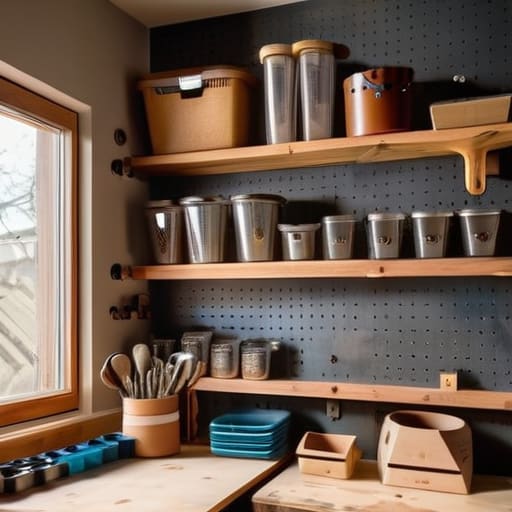
Look, we’ve covered a lot of ground here, from keeping things cheap and functional to using your walls to reclaim the floor space you’ve lost to junk. The common thread in everything we discussed is that organization isn’t about buying a matching set of expensive, aesthetic bins from a big-box retailer. It’s about building systems that actually serve you. Whether you’re mounting heavy-duty shelving for your workshop or just using simple vertical dividers to stop your paperwork from becoming a mountain, the goal is the same: reduce friction in your daily life. If a storage solution requires a PhD to maintain or a massive bank account to implement, it’s not a solution—it’s just more noise.
At the end of the day, your home should be a place where you can actually function, not a museum of “stuff” that you’re constantly fighting against. Don’t get paralyzed by the idea of perfection; a slightly imperfect shelf that holds your gear is infinitely better than a pile of clutter on the floor. Start small, use what you have, and focus on utility over aesthetics. Once you stop overcomplicating the process and start applying a little bit of systems engineering to your living space, you’ll realize that a clear environment leads to a much clearer head. Now, put the phone down, grab your multi-tool, and get to work.