I remember sitting at my kitchen table three years ago, staring at a pile of expensive, color-coded fabric kits and a sewing machine manual that read like a technical white paper for a spacecraft. I just wanted to fix a ripped seam on my favorite work jacket, but the internet kept telling me I needed a specialized cutting mat, a dozen different types of needles, and a masterclass in pattern drafting before I could even start. It’s a ridiculous way to approach a simple mechanical task, and frankly, most of those “must-have” starter kits are just expensive clutter designed to drain your wallet. If you’re looking for sewing basics for beginners, you don’t need a showroom full of gadgets; you just need to understand how thread interacts with tension.
I’m not here to sell you a lifestyle or a hobbyist’s dream. My goal is to strip away the fluff and give you the functional essentials—the kind of straightforward, hands-on methods that actually hold up when you’re trying to repair something mid-project. We’re going to focus on the tools that actually matter and the few fundamental techniques that will get you from a tangled mess to a solid, clean stitch. Let’s cut through the noise and get to work.
Table of Contents
The Only Essential Sewing Tools for Beginners You Actually Need
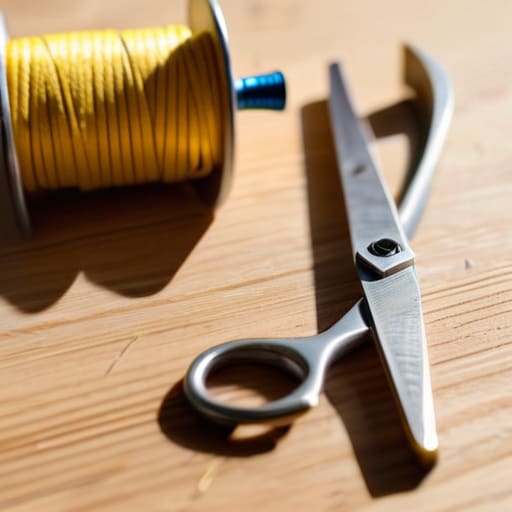
Look, you don’t need a $500 sewing kit or a dedicated craft room to get started. Most of those massive starter sets are just filler—cheap, flimsy tools that’ll frustrate you before you even finish your first seam. I’m a systems guy, and I believe in a lean setup. Start with a decent pair of fabric shears (don’t you dare use them on paper), a seam ripper, a handful of glass-head pins, and a reliable measuring tape. This minimal sewing notions and supplies list keeps your workspace clear and ensures every tool you touch actually performs.
When it comes to the heavy lifting, a simple, reliable machine is your best friend. Don’t get bogged down in the bells and whistles; you just need something that handles a straight stitch without stalling. Once you have the hardware, your focus should shift to the consumables. Pick up some mid-weight cotton—it’s the most forgiving fabric type for first-time sewers because it doesn’t slip or stretch while you’re trying to find your rhythm. Get the basics right, and the rest of the complexity will take care of itself.
Fabric Types for First Time Sewers That Wont Ruin Your Progress
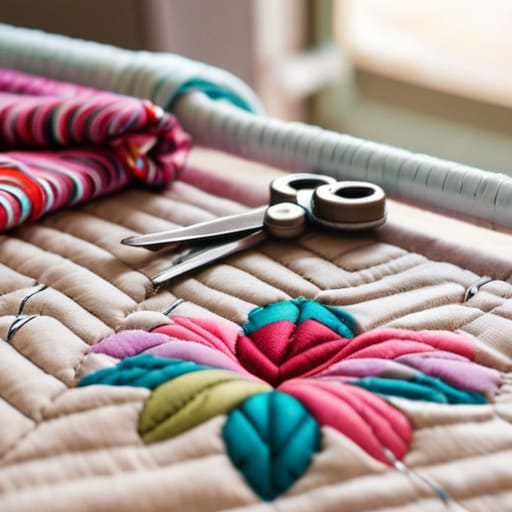
Don’t walk into a fabric store and get blinded by the bright patterns or the fancy silks. If you’re just starting out, those high-end, slippery materials are a recipe for frustration. I’ve seen too many people buy expensive satin only to spend three hours fighting a machine that won’t cooperate. When you’re navigating fabric types for first-time sewers, your best friend is 100% cotton. Specifically, look for “quilting cotton.” It’s stable, it doesn’t stretch where it shouldn’t, and it stays exactly where you pin it.
If you want to move slightly beyond the basics, try a linen blend. It has a bit more character but still holds its shape well enough that you won’t feel like you’re chasing a moving target. Avoid anything with too much spandex or “stretch” in the name for now; trying to master basic sewing stitches explained in the manual is hard enough without the fabric bunching up under the needle. Stick to the predictable stuff, build your confidence, and save the difficult textiles for when you actually know how to handle a slip-up.
Five ways to stop fighting your machine and start actually sewing
- Stop chasing perfection on your first go. Your first few seams are going to look like a jagged mountain range, and that’s fine. The goal isn’t a runway-ready garment; it’s just getting the two pieces of fabric to stay together.
- Iron everything. This is the part most people skip because it feels like extra work, but it’s non-negotiable. If you press your seams flat as you go, you’re doing half the work for the machine. A crisp seam is the difference between a project looking DIY and looking professional.
- Slow your roll on the pedal. I know you want to see how fast that machine can go, but sewing is about control, not speed. Treat the foot pedal like a precision instrument, not a gas pedal. If you can’t control the speed, you can’t control the stitch.
- Use the right needle for the job. Don’t just grab whatever is left in the sewing kit from three years ago. A dull or incorrect needle will snag your fabric, skip stitches, and drive you crazy. Change your needle every time you start a new major project.
- Measure twice, cut once—and then measure again. There is nothing more frustrating than realizing you cut your fabric an inch too short because you were rushing. Take a breath, check your markings, and verify your seam allowance before you let the shears touch the cloth.
Cutting through the noise: What to remember before you start
Don’t get distracted by the fancy kits; if you have decent shears, a handful of needles, and a basic machine, you’re already ahead of most people.
Stick to stable, non-stretchy fabrics like cotton until you’ve mastered the basics—trying to sew silk or jersey on day one is just a fast track to frustration.
Focus on the mechanics of the stitch rather than the complexity of the garment; a clean, straight seam is worth more than a complicated design that falls apart the first time you wash it.
Stop Planning and Start Stitching
Look, I know it feels like you need a studio full of specialized gadgets and a degree in textile science before you can even attempt a straight line. But we’ve already stripped away the fluff. You’ve got your basic toolkit, you’ve picked out some forgiving fabrics that won’t fight you every step of the way, and you’ve cleared the mental clutter. At the end of the day, sewing isn’t about perfection or having the most expensive setup; it’s about understanding the relationship between your hands, your machine, and the material. If you keep your tools simple and your fabric choices smart, you’ve already bypassed the biggest hurdles that trip up most people.
My advice? Don’t wait until you feel “ready” to start your first project. You’ll never feel fully prepared, and honestly, that’s part of the process. You’re going to mess up a seam, you’re going to have to rip out more stitches than you’d like, and you’re going to realize that a crooked line doesn’t actually break the world. That’s where the real learning happens—in the friction between the plan and the reality. Put the phone down, pick up that needle, and just make something imperfect. The more you do it, the more the system clicks.