I was standing in my kitchen last Tuesday, staring at a sink full of grey, stagnant water and a pile of half-washed dishes, feeling that familiar surge of frustration. I’d already poured two bottles of those expensive, neon-colored liquid cleaners down the pipe, but the water wasn’t budging—it was just sitting there, mocking me. Most people think you need a chemistry degree or a specialized gadget to fix a plumbing headache, but the truth is that most of those “miracle” products are just expensive ways to damage your pipes in the long run. If you’re looking for how to unclog a drain without turning your bathroom into a hazardous waste site, you’ve come to the right place.
I’m not here to sell you on some complicated system or a subscription service for home maintenance. Instead, I’m going to show you the straightforward, mechanical methods that actually move the blockage. We’re going to talk about using basic tools, a little bit of leverage, and a lot of common sense to get things flowing again. No fluff, no unnecessary complexity—just the practical steps you need to get your life back to normal when the water finally starts moving.
Table of Contents
Guide Overview
Tools & Supplies
- Plunger (cup or flange style for suction)
- Drain snake or auger (to reach deep clogs)
- Baking soda (1/2 cup)
- White vinegar (1/2 cup)
- Boiling water (1 kettle)
Step-by-Step Instructions
- 1. First, clear out the obvious junk. If you’re looking down a sink and see a clump of hair or a stray piece of plastic, don’t just push it down with a stick. Grab a pair of needle-nose pliers or even a cheap pair of tweezers and pull that debris out manually. If you can see the blockage, you can usually grab it.
- 2. If the surface stuff is gone but the water still won’t budge, it’s time to reach for the plunger. Don’t go buying one of those expensive, specialized suction gadgets; a standard rubber cup plunger works just fine. Make sure there’s enough water in the sink to cover the bell of the plunger, then give it a few firm, rhythmic pumps. You aren’t trying to break the pipe; you’re trying to use pressure differentials to dislodge the clog.
- 3. If the plunger fails, you need to get under the sink and tackle the P-trap. That U-shaped pipe is where most of the heavy lifting—and the most disgusting buildup—happens. Place a bucket underneath to catch whatever spills, then unscrew the slip nuts by hand or with a wrench. Once that pipe is off, take it to a different sink or use a garden hose to flush out the gunk that’s been sitting there.
- 4. For those stubborn clogs that seem to live deeper in the line, you’re going to need a drain snake (or an “auger” if you want to be technical). Feed the cable into the drain pipe until you feel resistance. Once you hit that wall, rotate the handle to screw the tip into the blockage. Slowly pull the cable back out, and you’ll likely bring a nasty mess of hair and soap scum with you.
- 5. Skip the caustic chemical cleaners you see in the grocery store aisles. Those things are incredibly hard on your plumbing and can actually melt your pipes if you use too much. Instead, try the old-school method: dump half a cup of baking soda down the drain, followed by half a cup of white vinegar. Let it fizz for fifteen minutes, then flush the whole system with a large pot of boiling water. It’s a simple chemical reaction that handles grease without the toxic runoff.
- 6. Once the water is flowing freely again, don’t just walk away. Run the hot water for a solid three to five minutes to ensure any remaining residue is completely washed through the system. This prevents a secondary clog from forming a few days later because of leftover soap scum or sludge.
Mastering Plumbing Snake Techniques Without the Extra Effort
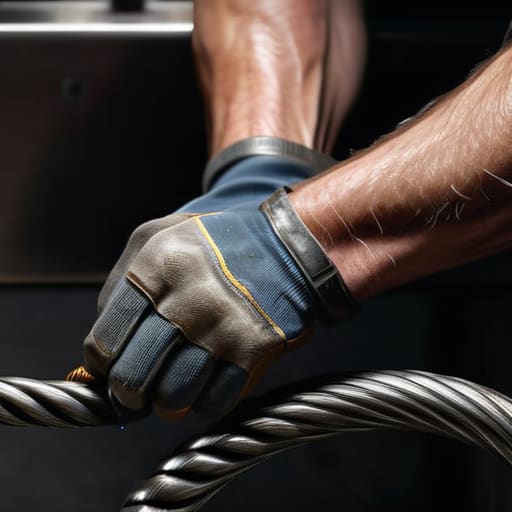
If you’ve moved past the plunger and reached for a drain auger, you’re entering the territory where most people make things worse by overthinking it. When I’m working on a job, I don’t just shove the cable in and hope for the best. The trick to mastering plumbing snake techniques is all in the feedback you feel through your hands. Don’t just force it; if you hit resistance, stop. You’ve likely hit a bend or a solid obstruction. Instead of pushing harder—which is a great way to puncture a pipe—rotate the snake clockwise while applying light, steady pressure. You want to feel the clog rather than fight it.
Once you actually hook into the debris, especially when you’re removing hair from a drain, slow and steady wins the race. If you yank the cable too fast, you’ll just break the mass apart and send it deeper into the plumbing, creating a much bigger headache for later. Think of it like untangling a knot in a piece of wire; it’s about controlled tension, not brute force. Once you pull the snake back, clean it off immediately so you aren’t spreading gunk all over your floor.
Using a Plunger Effectively to Get Real Results
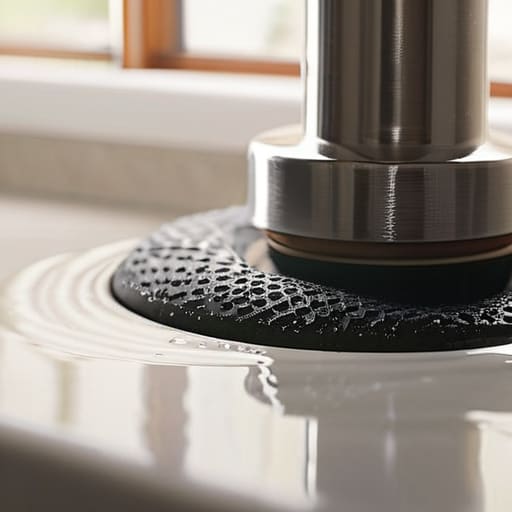
Most people grab a plunger, pump it three times, and then get frustrated when the water doesn’t budge. That’s because they aren’t actually creating the right kind of pressure. If you’re dealing with a sink, you need to plug the overflow hole with a wet rag first. If you don’t, the air just escapes through that gap instead of forcing the blockage downward. When using a plunger effectively, it’s less about how fast you move your arms and more about creating a tight, airtight seal around the drain. You want to build up that vacuum, hold it for a second, and then give it a forceful pull.
If you’re working on a bathroom sink, the culprit is almost always a matted mess of soap scum and hair. A standard cup plunger might struggle with that kind of density, but if you can get a good seal, the rhythmic suction can often break that mass apart. I’ve found that a little bit of patience goes a long way here; don’t just go wild. Instead, focus on steady, deliberate strokes. It’s about controlled force, not mindless cardio.
Five Pro Tips to Save Your Pipes (and Your Sanity)
- Stop reaching for the heavy-duty caustic cleaners first. Those chemicals generate heat that can warp PVC pipes or eat through old metal joints, turning a simple clog into a massive plumbing bill.
- Always clear the physical debris before you try any liquid solution. If there’s a clump of hair or a stray bit of plastic sitting in the trap, a liquid cleaner is just going to swirl around it without actually doing the job.
- Use hot water, but keep it sensible. A kettle of boiling water can crack a porcelain sink or melt certain plastic seals, so stick to very hot tap water to help melt grease and soap scum.
- Check the P-trap before you go overboard with a snake. Most household clogs are sitting right there in that U-shaped bend under the sink; it’s much easier to unscrew the pipe and clean it out manually than to fight a clog deeper in the walls.
- Keep a bucket and a rag handy every single time you open a drain. Plumbing is messy by nature, and if you don’t prepare for the inevitable spill, you’ll spend more time cleaning your floor than fixing the sink.
The Bottom Line
Stop reaching for expensive, corrosive chemicals that just damage your pipes; focus on mechanical force like plunging or snaking to actually move the blockage.
Always work from the simplest tool to the most complex, because you don’t want to be halfway through a heavy-duty snake job if a simple plunger could have done the trick.
Once the water is moving, don’t just walk away—flush the system with hot water to clear out any leftover debris before it settles and starts a new clog.
Cutting Through the Mess
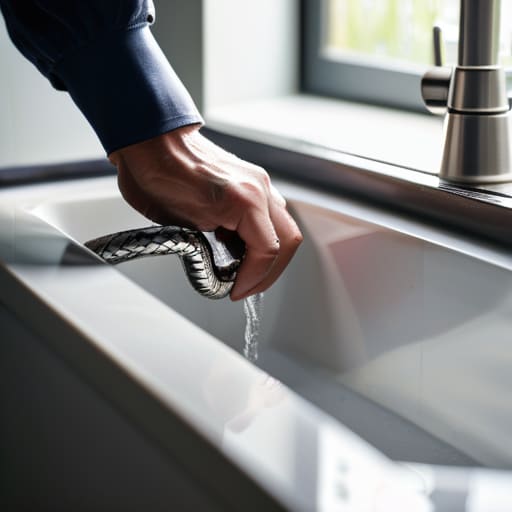
Look, at the end of the day, unclogging a drain isn’t about finding some magic potion or a high-tech gadget that costs a week’s worth of groceries. It’s about understanding the mechanics of the problem. Whether you went with the brute force of a plunger or the precision of a plumbing snake, the goal was the same: clearing the obstruction without tearing your whole house apart. Remember, the best approach is usually the one that uses the least amount of unnecessary complexity. If you’ve cleared the line, don’t just walk away—run some hot water through it to ensure the debris is fully flushed out. Keep it simple, keep it clean, and don’t let a little standing water ruin your entire afternoon.
We spend so much time looking for digital shortcuts and complex apps to manage our lives, but sometimes the most important skills are the ones that involve a bit of grit and a steady hand. There’s a certain satisfaction in fixing something yourself, seeing a system return to its proper function through your own effort. Don’t let the small stuff overwhelm you or make you feel like you need a professional for every minor hiccup. Master these basic, physical realities, and you’ll find that you have a lot more control over your environment than you realize. Now, put the tools away, clean up the mess, and get back to what actually matters.