
I was sitting at my workbench last Tuesday, halfway through a delicate recalibration of an old Moog synthesizer, when I realized I hadn’t actually swallowed a single bite of my sandwich in ten minutes. I was staring at a circuit diagram, scrolling through a project thread on my phone, and essentially inhaling calories like I was refueling a machine. This is the problem with the way we approach mindful eating today; people treat it like some expensive, spiritual ritual involving incense and silent retreats. It’s not about being a monk; it’s about realizing that when you’re distracted by a screen, you’re completely disconnected from the very fuel your body needs to function.
I’m not here to sell you a lifestyle overhaul or a list of complicated breathing exercises that take more time than the meal itself. My goal is to give you a few practical, systems-based adjustments that bridge the gap between your frantic digital life and your physical needs. We’re going to strip away the fluff and focus on straightforward methods to help you actually taste your food and listen to your body. Let’s cut through the noise and get back to what actually works.
Table of Contents
Tuning Into Hunger and Satiety Cues

Think of your body like a piece of complex hardware. If you ignore the warning lights on your dashboard, you’re going to end up with a blown engine. Your body has its own set of sensors—hunger and satiety cues—that tell you exactly when to fuel up and when to power down. The problem is, most of us have become so tuned into our notifications that we’ve completely lost the ability to read our own telemetry. We eat because it’s 12:00 PM, or because we’re stressed, or because there’s a bag of chips sitting on the desk.
To fix this, you need to start practicing some basic emotional eating awareness. Before you reach for a snack, stop and ask yourself: “Am I actually hungry, or am I just bored/stressed/tired?” It sounds simple, but it’s a diagnostic tool that changes everything. If you can distinguish between physical hunger and a craving triggered by a bad afternoon at work, you’re already ahead of the curve. It’s about moving away from mindless consumption and toward a more intentional approach to nutrition that actually respects your biology.
Building Lasting Mindful Nutrition Habits
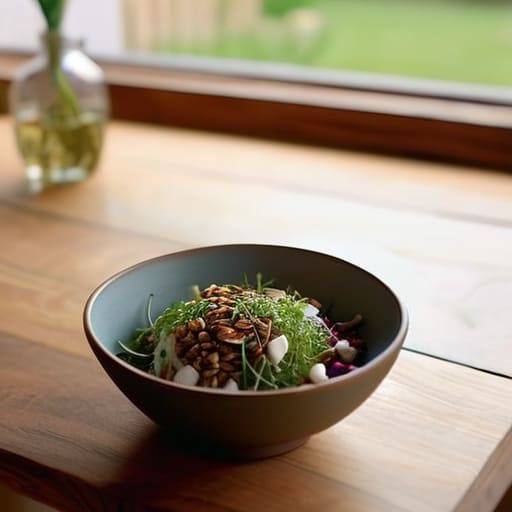
Look, you aren’t going to overhaul your entire relationship with food overnight by sheer willpower. That’s a recipe for burnout, and I’ve seen too many people treat nutrition like a high-stakes software deployment that fails the moment a bug appears. Instead, treat it like a system upgrade. Start by implementing distraction-free eating for just one meal a day. Leave the phone in the other room. If you’re watching a screen, you aren’t eating; you’re just fueling a machine while your brain is somewhere else.
The real goal is to integrate these mindful nutrition habits so they become your new baseline, not a chore on a checklist. I like to use a simple rule: if you can’t name the texture or the primary spice in your mouth, you’re moving too fast. This isn’t about being precious with your food; it’s about reclaiming your focus. When you stop treating eating as a background task, you’ll find that you naturally stop overeating before you even feel the physical discomfort of being too full. It’s about working with your biology, not fighting it.
Five Ways to Stop Treating Food Like Background Noise
- Clear the workspace. If you’re eating at your desk with three monitors glowing and a Slack notification popping up, you aren’t eating; you’re just refueling a machine. Move to a table, clear the clutter, and give the meal your undivided attention.
- Put the phone in another room. Scrolling through a feed while you chew is a recipe for mindless overconsumption. If your hands are busy with a device, they aren’t focused on the texture or flavor of what’s on your plate.
- Use smaller tools. It sounds simple, but using a smaller fork or spoon forces you to slow your pace. It prevents that “vacuum cleaner” approach where you’re inhaling food before your brain even registers it’s there.
- Actually chew your food. I know it sounds like something a nutritionist would nag you about, but it works. Aim for a consistent rhythm. It gives your digestive system a head start and gives your brain the time it needs to catch up with your stomach.
- Do a quick sensory check. Before you take the first bite, just look at the plate. Notice the colors and the smells. It sounds a bit “zen,” but it’s really just about grounding yourself in the physical reality of the meal instead of living entirely in your head.
The Bottom Line
Stop treating your meals like background noise; if you’re eating in front of a screen, you aren’t actually eating, you’re just refueling a machine.
Listen to your body’s internal feedback loop instead of following a rigid clock or a calorie app—your hunger cues are more reliable than any algorithm.
Keep it simple. You don’t need a complex ritual to eat well; just sit down, slow down, and pay attention to the actual food on your plate.
Cutting Through the Noise

Look, I’m not here to tell you to turn every meal into a spiritual retreat or a meditation session. That’s just more clutter in an already crowded head. What I am saying is that mindful eating isn’t about perfection; it’s about systematic awareness. It’s about learning to recognize when your body actually needs fuel versus when you’re just bored or stressed, and having the discipline to put the phone down long enough to realize it. If you can master the basics—tuning into your satiety cues and building a few small, repeatable habits—you’ve already won half the battle. Stop treating your nutrition like an afterthought and start treating it like a functional system that deserves your attention.
At the end of the day, your body is the most important piece of hardware you will ever own. You wouldn’t run a complex piece of machinery on low-grade fuel while ignoring the warning lights on the dashboard, so don’t do it to yourself. Mindful eating is simply your way of checking the gauges before something breaks. It’s not a diet, and it’s definitely not a chore; it’s just common sense applied to your physical reality. Take it one meal at a time, keep it simple, and focus on what actually works for you when the distractions fade away.