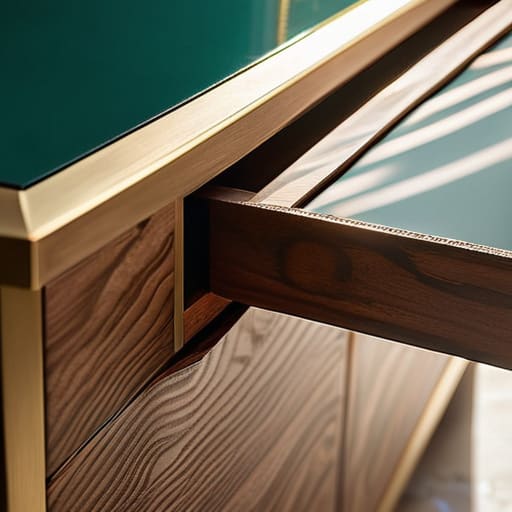
I’ve spent half my life troubleshooting complex systems, and if there’s one thing I’ve learned, it’s that we have a bad habit of throwing things away the second they stop looking “perfect.” We live in a disposable culture where it’s easier to click “buy now” on a cheap, particle-board desk than to actually fix what we already own. But honestly? That’s just inefficient. Most people overlook the solid bones of a good piece of furniture because they don’t know where to start. I’m not talking about those Pinterest projects that require a workshop full of expensive tools and three weeks of your life; I’m talking about practical upcycling furniture ideas that respect your time and your wallet.
In this post, I’m breaking down six specific ways to breathe new life into your old gear without turning your garage into a disaster zone. I’ll show you how to bridge the gap between a piece of junk and a functional centerpiece using minimalist, high-impact methods. Whether you’re looking to fix a wobbly chair or completely transform a dated dresser, these six strategies are designed to work. Let’s stop overcomplicating the process and get to the work that actually matters.
Table of Contents
Swap the Hardware
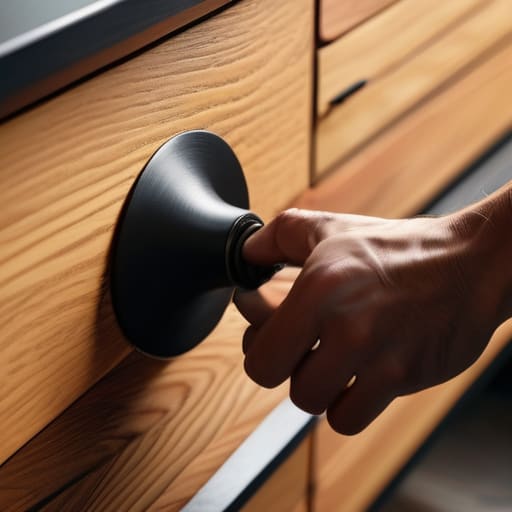
Most people think they need a complete overhaul to change the look of a cabinet or a dresser, but they’re usually just one hardware store run away from a total transformation. If you have an old piece of furniture with those dated, brass-plated handles that scream 1992, don’t bother sanding the whole thing down. Just unscrew the old junk and replace it with something modern and matte black or brushed nickel. It’s a low-effort move that yields a high-impact result.
The Sand and Stain Method
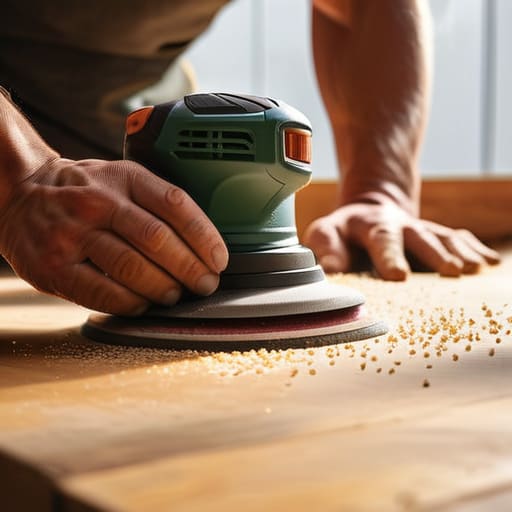
If you’ve got a solid wood table that’s seen better days, don’t toss it just because the finish is scratched up. Instead of slapping a heavy coat of paint over the grain—which usually just hides the quality of the wood—try a deep sanding. Get rid of the old, flaky polyurethane until you hit the raw timber. It’s a bit of a workout, but it’s the only way to ensure the next layer actually sticks without peeling off in six months.
Reclaim Your Old Crates
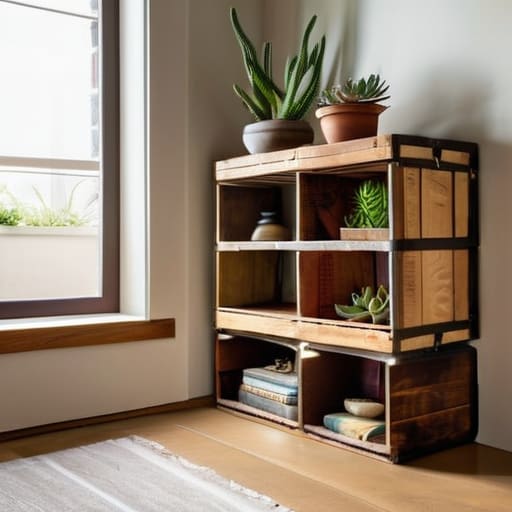
I’ve always been a fan of modularity, and nothing fits that description better than old wooden crates. If you have some sturdy wine or fruit crates gathering dust in the garage, you’ve got the components for a custom shelving unit or even a rustic side table. You don’t need a workshop full of power tools; just some wood glue and a few basic screws to stack them securely.
Update with Contact Paper
Sometimes you don’t want to deal with the mess of liquid paint or the fumes of a heavy stain, especially if you’re working in a small apartment. That’s where high-quality contact paper comes in. I’m not talking about the cheap stuff kids use for school projects; I mean the heavy-duty, textured versions that mimic marble, wood grain, or even slate. It’s a non-permanent solution that works wonders on flat surfaces like desk tops or dresser drawers.
Add New Legs
A lot of mid-century modern furniture is just a great tabletop sitting on legs that have become wobbly or ugly. If you have an old desk or a low coffee table that feels a bit “stumpy,” consider swapping the base entirely. You can buy various styles of tapered wooden legs or even metal hairpin legs online for very little money. It’s a mechanical upgrade that changes the entire silhouette of the piece.
The Power of a Single Color
If a piece of furniture is truly an eyesore, don’t overthink the color palette. You don’t need a designer’s eye or a complex color wheel to make something look intentional. Pick one solid, muted color—think navy, charcoal, or a deep forest green—and commit to it. A single, uniform color can make a mismatched set of items look like a cohesive collection rather than a pile of junk.
Bottom Line: Keep It Simple
Don’t get sucked into the “Pinterest trap” of over-decorating; if a simple sanding and a fresh coat of paint fixes the piece, leave it at that.
Focus on structural integrity first—there’s no point in making a wobbly chair look pretty if it’s still going to collapse under you.
Invest in a few decent tools rather than a dozen cheap ones; a good sander and a solid screwdriver will save you more frustration than any expensive DIY kit.
Stop Overthinking and Start Building
Look, we’ve covered a lot of ground here, from simple sanding projects to more involved hardware swaps. The common thread in everything we discussed isn’t about having a professional workshop or a degree in interior design; it’s about realizing that most “outdated” furniture is just a few smart adjustments away from being functional again. Whether you’re swapping out rusted handles for something modern or giving a tired tabletop a fresh coat of stain, the goal is the same: stop the cycle of buying cheap, disposable junk that ends up in a landfill in two years. Focus on the structural integrity and the basic aesthetics, and you’ll find that the most rewarding pieces in your home are the ones you actually put some work into.
At the end of the day, upcycling isn’t about chasing some fleeting Pinterest trend or trying to make your house look like a showroom. It’s about reclaiming your space and your resources. There is a specific kind of satisfaction that comes from looking at a piece of furniture and knowing you didn’t just click “buy now”—you actually engineered a solution. Don’t let the fear of making a mistake stop you from picking up that sandpaper. Perfection is the enemy of progress, so just grab your tools, keep your workspace organized, and get to work.