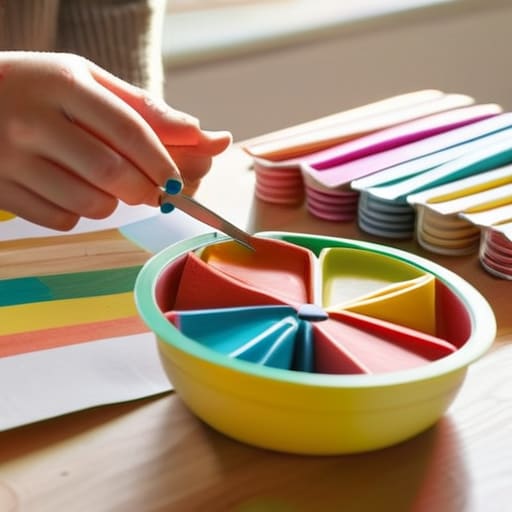
I’ve spent most of my career designing systems to make things run smoother, but nothing is more chaotic than a Saturday afternoon spent trying to manage a bored child. We’ve all been there: you scroll through social media and see these massive, expensive DIY projects that look great in photos but end up leaving you with a kitchen covered in glitter and a massive headache. Most kids craft ideas you find online are way too complicated, requiring a specialized kit for every single activity. I think we need to stop overengineering playtime and get back to basics.
In this post, I’m stripping away the fluff and focusing on functional creativity. I’ve put together a list of six straightforward projects that use stuff you probably already have sitting in your junk drawer or recycling bin. These aren’t just time-fillers; they are designed to keep them engaged without turning your living room into a disaster zone. You’re going to learn how to implement low-maintenance activities that actually work, bridging that gap between mindless screen time and real-world building. Let’s get to work.
Table of Contents
Cardboard Box Engineering
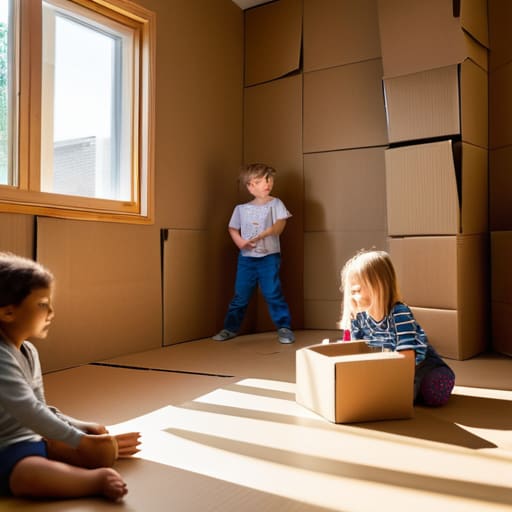
Most parents see a delivery box and think about recycling, but I see a modular building system. Instead of buying those massive, expensive plastic playhouses that take up half your living room, grab a few sturdy cardboard boxes and some heavy-duty masking tape. It’s about teaching kids that they can manipulate their physical environment with nothing more than basic geometry and a bit of imagination.
Nature’s Color Palette
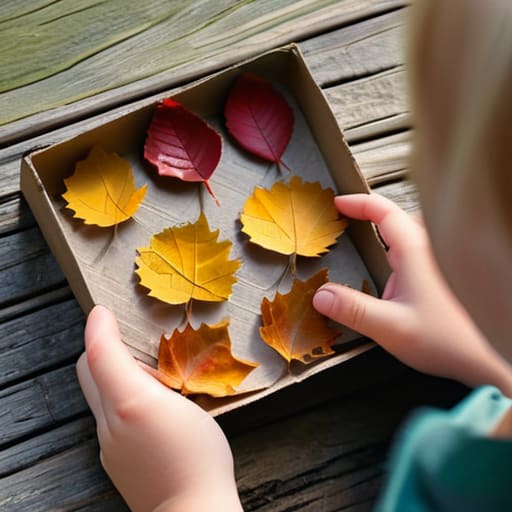
I’ve always appreciated things that don’t require a power outlet to function, and nothing beats a simple scavenger hunt for natural materials. Grab a few empty egg cartons and have the kids find items from the backyard that match specific colors or textures—a jagged rock, a dried leaf, or a smooth pebble. It’s a sensory grounding exercise that gets them away from the tablet and into the actual world.
The Kitchen Science Lab

You don’t need a chemistry set from a specialty store to show kids how the world works; you just need what’s already in your pantry. Baking soda and vinegar are the classics for a reason—they provide an immediate, visible reaction that feels like magic but is actually just basic chemical principles in action. It’s messy, sure, but it’s controlled chaos that builds curiosity.
Custom Rock Painting
This is one of those projects that sounds trivial until you see the focus it demands from a child. Finding smooth stones from a garden or a nearby creek provides the perfect “canvas” for something that is both tactile and durable. It’s a great way to bridge the gap between artistic expression and the physical weight of the objects they are working with.
Shadow Puppet Theater
When the sun goes down and the screens start feeling a bit too bright, it’s time to lean into the physics of light. You don’t need a fancy projector; a simple flashlight and some old cereal boxes can create a makeshift theater. Cut out shapes from the cardboard, tape them to skewers or even just some sturdy twigs, and you’ve got a low-tech storytelling tool.
Upcycled Jar Lanterns
I’m a big believer in repurposing what we already have rather than buying more plastic junk. Take your empty glass jam or pasta sauce jars, clean them out thoroughly, and let the kids decorate the exterior with tissue paper or glass paint. It’s a simple way to turn household waste into something decorative and functional.
The Bottom Line
Stop chasing the “perfect” project; if it requires more cleanup than the actual fun provides, it’s a bad system.
Focus on tactile, low-tech materials that bridge the gap between a screen and the real world.
Keep your supplies accessible and simple so the barrier to starting is as low as possible.
Cutting Through the Craft Clutter
Look, the point I’m trying to make here isn’t that you need to become a professional maker to keep your kids occupied. Whether you’re using recycled cardboard, some basic kitchen supplies, or just a handful of smooth stones from the driveway, the goal is the same: engagement without the overhead. We’ve gone through everything from low-mess sensory bins to simple construction projects that actually use the materials you already have in your junk drawer. You don’t need a dedicated “craft room” or a subscription box delivered to your door to foster some creativity. You just need to stop overcomplicating the process and embrace the fact that most of the best tools are already sitting in your recycling bin or your pantry.
At the end of the day, these activities aren’t about producing a masterpiece that’s going to end up in the trash by next Tuesday. It’s about the system of play—the tactile, hands-on experience that gets them away from the tablet and back into the physical world. When the screens go dark and the house gets a little messy, remember that you aren’t just “keeping them busy.” You’re teaching them how to look at a pile of scraps and see a possibility. Keep it simple, keep it functional, and don’t sweat the small stuff. If they’re learning, you’re winning.