
I was elbow-deep in a vintage Moog synthesizer last weekend, trying to clear decades of dust and grime out of the circuitry, when I realized how much junk we let into our homes. Most people think they need a cabinet full of specialized, neon-colored sprays to keep a house decent, but honestly, that’s just marketing nonsense. I’ve spent years troubleshooting complex systems, and I can tell you that most of those expensive, proprietary cleaners are just overpriced water with a fancy scent. If you’re looking for a way to simplify your life, stop falling for the hype and start looking at diy cleaning products that actually rely on chemistry rather than clever packaging.
I’m not here to give you a list of twenty-step rituals that involve essential oils you can’t afford and ingredients you can’t pronounce. My goal is to give you a few tried-and-true formulas that work as well on a greasy kitchen counter as they do on a delicate workbench. I’ve stripped away the fluff to focus on the essential tools that bridge the gap between a cluttered mess and a functional home. Let’s get down to the basics and build a system that actually works when the work gets done.
Table of Contents
Mastering Vinegar and Baking Soda Cleaning Without the Fluff
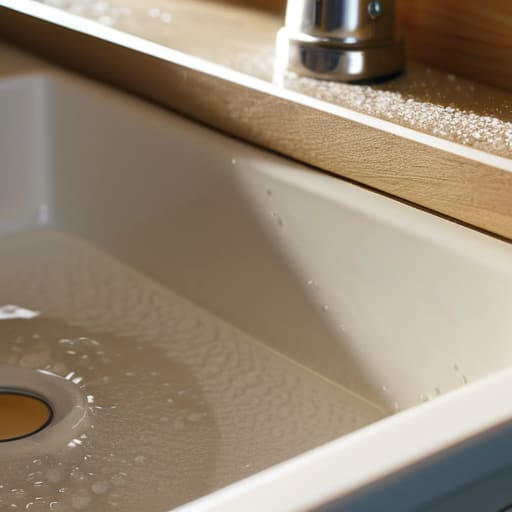
Look, I’ve spent enough time troubleshooting complex systems to know that sometimes the most sophisticated solution is just a basic chemical reaction. You don’t need a cabinet full of specialized sprays that cost twenty bucks a bottle and promise the world. When it comes to vinegar and baking soda cleaning, you’re dealing with a simple acid-base reaction that handles most of the grime in your house without the headache. Use the baking soda as a mild abrasive for scrubbing sinks or stovetops, then hit it with a splash of white vinegar to lift the residue. It’s one of the most cost-effective cleaning solutions you’ll ever find, and it works.
If you want to take it a step further without getting weird, throw in a few drops of lemon or tea tree oil. Adding essential oils for cleaning isn’t about being fancy; it’s about masking that sharp vinegar scent and adding a bit of natural antimicrobial punch. It’s a straightforward, reliable way to keep your space clean while ensuring you’re using safe cleaning for pets and kids. Keep it simple, keep it functional, and move on with your day.
Cost Effective Cleaning Solutions for Your Real World Routine
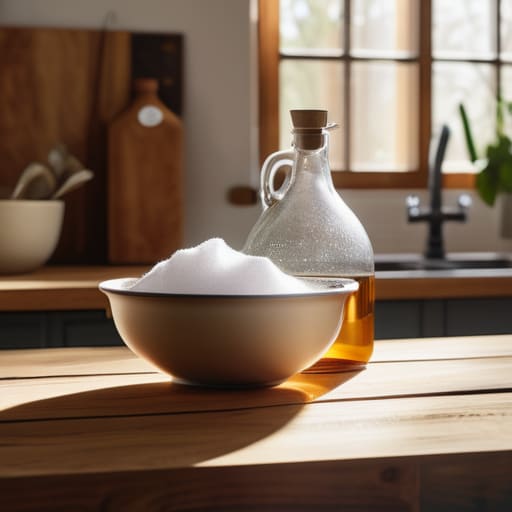
Look, I’m not interested in spending forty dollars on a “designer” spray bottle that’s 90% water and fancy marketing. If you want to save money without sacrificing performance, you need to stop buying specialized products for every single surface in your house. Most of those expensive, branded cleaners are just a way to pad a corporation’s bottom line. Instead, focus on building a small kit of cost-effective cleaning solutions that actually do the heavy lifting. A large jug of distilled white vinegar, a box of baking soda, and a decent bottle of Castile soap will cover about 80% of your needs.
The real beauty of this approach isn’t just the savings, though; it’s the peace of mind. When you’re mixing your own solutions, you aren’t breathing in a cocktail of synthetic fragrances and harsh chemicals. This makes it much easier to ensure safe cleaning for pets and kids, which is a non-negotiable for me. If you want a scent that doesn’t smell like a hospital wing, grab a few bottles of essential oils for cleaning, like lemon or tea tree. A few drops in your spray bottle go a long way, keeping things simple, functional, and—most importantly—effective.
My Five Rules for Keeping Your Toolkit Lean and Effective
- Stop buying single-use spray bottles. Buy a pack of high-quality glass sprayers once, label them with a permanent marker, and refill them from bulk containers. It saves money and cuts down on plastic clutter.
- Don’t get fancy with essential oils unless you actually like the smell. They’re expensive and often unnecessary. If you want a scent, use a tiny bit of lemon peel in your vinegar soak; it’s cheaper and does the job.
- Test everything on a hidden corner first. I’ve seen people try to “natural” their way into ruining a marble countertop with vinegar. Just because it’s DIY doesn’t mean it’s indestructible.
- Keep your cleaning supplies in a single, organized caddy. If you have to hunt through three different cabinets to find your baking soda, you’re adding friction to a task that should be simple.
- Stick to the basics. You don’t need a specialized cleaner for every single surface in your house. If you have a solid system involving vinegar, castile soap, and a few good microfiber cloths, you’re already ahead of 90% of people.
The Bottom Line
Stop buying specialized cleaners for every single surface; a few versatile ingredients like vinegar and baking soda can handle 90% of your household needs without the clutter.
Focus on the chemistry, not the marketing—if a product claims to do something a simple mixture can’t, you’re likely just paying for a fancy label and a heavy bottle.
Keep your cleaning kit minimal and functional so you actually use it, rather than letting a dozen half-empty bottles gather dust under your sink.
Cutting Through the Chemical Noise
Look, we’ve covered the ground here. You don’t need a cabinet full of specialized, neon-colored liquids to keep your space livable. By mastering the basics—vinegar for cutting grease, baking soda for scrubbing, and a few simple ratios to keep things cost-effective—you’ve effectively stripped away the marketing fluff. You’ve replaced a complex, expensive inventory with a few reliable staples that actually do the job. The goal wasn’t to turn your home into a chemistry lab; it was to build a functional system that works without draining your wallet or your time.
At the end of the day, cleaning shouldn’t be another project that eats up your weekend or complicates your mental load. It’s just maintenance, much like tuning an old synth or updating a server—it’s about keeping the machine running smoothly so you can focus on the things that actually matter. Stop chasing the latest “miracle” spray advertised on social media and stick to the methods that have worked for decades. Once you simplify your toolkit, you’ll realize that most of the complexity was just noise. Now, put the phone down, grab a cloth, and get it done.