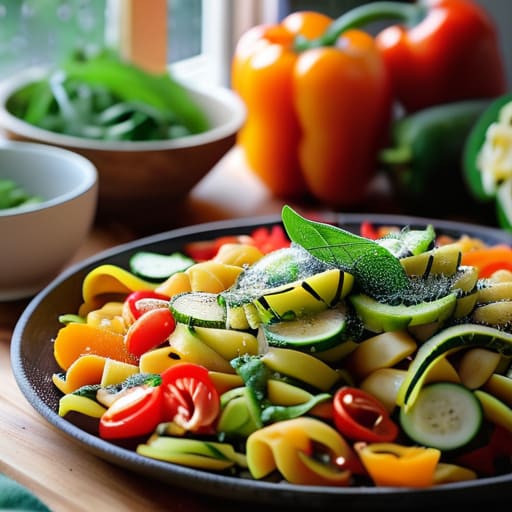
I’m sick of seeing these “wellness influencers” treat nutrition like a high-stakes engineering project that requires a $300 grocery budget and three hours of meal prepping on a Sunday. They make you think that learning how to eat more vegetables means buying organic microgreens you can’t pronounce or mastering some complicated, five-step deconstructed salad recipe. Honestly, it’s all just noise. Most of that advice is designed to sell you a lifestyle, not to actually fuel your body while you’re busy running a real life.
I’m not here to give you a lecture or a list of restrictive dietary rules that fall apart the second you get busy. Instead, I’m going to show you how I integrate greens into my routine using systems that actually stick. We’re going to focus on low-effort, high-yield methods—the kind of practical tweaks that bridge the gap between your busy schedule and your health. No fluff, no expensive gadgets, just straightforward ways to get the good stuff on your plate without the headache.
Table of Contents
Hidden Ways to Add Veggies to Your Existing Meals
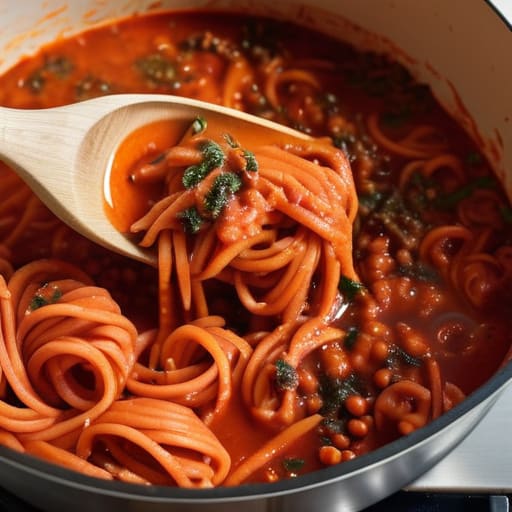
Look, if you’re trying to overhaul your entire diet overnight, you’re going to fail. It’s a bad system. Instead of treating every meal like a new project, treat your current favorites as a foundation. I’m a big believer in modular upgrades. If you’re making a standard pasta sauce, don’t start a new recipe; just throw some finely chopped mushrooms or grated carrots into the simmer. They melt into the texture, adding bulk and increasing fiber intake without you even noticing the shift in flavor.
The same logic applies to anything involving a blender or a food processor. If you’re making a smoothie or even a hearty soup, toss in a handful of frozen cauliflower or some wilted spinach. It’s one of those hidden ways to add veggies that requires zero extra cooking time. You aren’t reinventing the wheel; you’re just optimizing the fuel you’re already putting in your tank. It’s about efficiency—getting the nutritional payoff without the mental load of a total lifestyle redesign.
Easy Vegetable Recipes for Beginners Who Hate Cooking
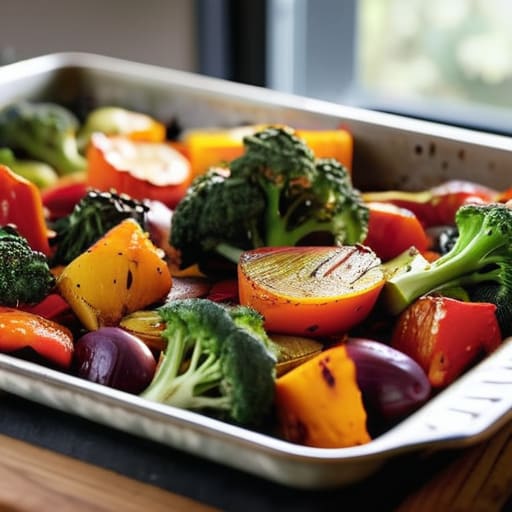
Look, if the idea of standing over a hot stove for an hour makes you want to quit, don’t. Most people fail at healthy eating because they try to cook like they’re on a cooking show. You don’t need a culinary degree; you just need a system that doesn’t suck. One of my favorite easy vegetable recipes for beginners is the “Sheet Pan Throwdown.” You grab a tray, toss some chopped broccoli, bell peppers, and sweet potatoes on there, drizzle with olive oil and salt, and shove it in the oven at 400°F. While it’s roasting, you can go back to whatever you were doing. It’s low-effort, high-reward, and it’s a solid way to start increasing fiber intake without the mental overhead.
Another approach is the “One-Bowl Base.” Think of it like building a modular system. Start with a base of pre-washed arugula or baby spinach, throw in some canned chickpeas (rinse them first, don’t be sloppy), and add whatever leftover protein you have in the fridge. If you want to know how to make vegetables taste better, stop boiling them into mush. Roast them, char them, or just hit them with a squeeze of lemon and some decent sea salt. It’s about minimizing the friction between being hungry and being healthy.
Low-Effort Systems for a Veggie-Heavy Plate
- Stop buying whole heads of broccoli and start buying the pre-washed, pre-cut bags. It costs a few extra cents, but if it sits in your crisper drawer rotting because you didn’t want to spend twenty minutes chopping, you’ve just thrown money down the drain.
- Use the “One-Hand Rule” for snacking. Keep a container of baby carrots or sliced cucumbers right at eye level in the fridge. If you have to dig through three Tupperware containers to find something green, you’re just going to grab the crackers instead.
- Treat frozen vegetables like a staple, not a backup plan. Frozen peas, spinach, and corn are nutritionally solid and won’t go bad in three days. Toss a handful into your pasta, your eggs, or even your morning smoothie. You won’t even taste the spinach, but your body will notice.
- Don’t cook things just to eat them. If you’re already roasting potatoes or chicken, throw a tray of cauliflower or asparagus in the oven at the same time. It’s about maximizing the energy you’re already spending in the kitchen.
- Master the “Sheet Pan Method.” Line a tray with parchment paper, dump your protein and a mountain of chopped veggies on it, drizzle with olive oil and salt, and walk away. No complicated timing, no messy pots, just one pan to clean and a decent meal.
The Bottom Line: Keep It Simple
Don’t overhaul your entire pantry overnight; just start by sneaking one extra vegetable into the meals you’re already making.
If you hate prep work, stop trying to be a chef and just buy the pre-washed, pre-cut stuff—the convenience is worth the extra couple of bucks.
Focus on consistency over complexity. It’s better to eat a handful of spinach every day than to attempt a complicated kale salad once a week and give up.
Stop Overthinking the Plate
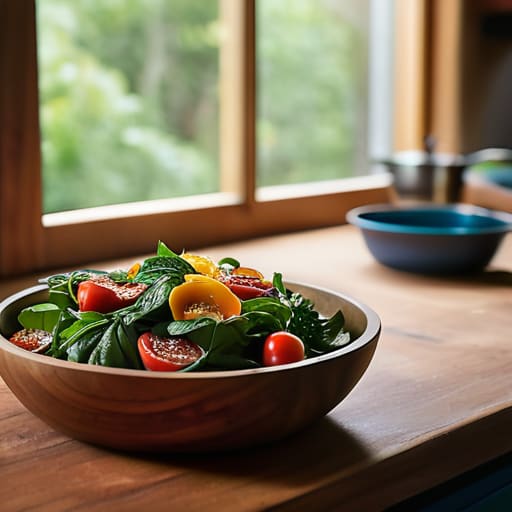
Look, we’ve covered a lot of ground here, from sneaking spinach into your morning eggs to finding recipes that don’t require a culinary degree. The common thread is simple: stop treating nutrition like a high-stakes engineering project. You don’t need a perfectly optimized, color-coded meal plan to see results; you just need to stop making excuses for why you can’t add a handful of greens to your dinner. Whether you’re blending veggies into a sauce or grabbing a bag of pre-washed salad to save ten minutes of prep, the goal is to integrate, not reinvent. If it’s too complicated to maintain on a Tuesday night when you’re exhausted, it’s a bad system.
At the end of the day, your health is just another system that requires regular, functional maintenance. You wouldn’t let your hardware rust or your software rot, so don’t do it to your body. Don’t wait for some “perfect Monday” to start eating better. Just pick one thing we talked about today—one small, low-effort adjustment—and do it right now. Real progress isn’t about radical transformations; it’s about the consistent, small wins that actually stick when life gets messy. Now, get off the screen and go grab something green.