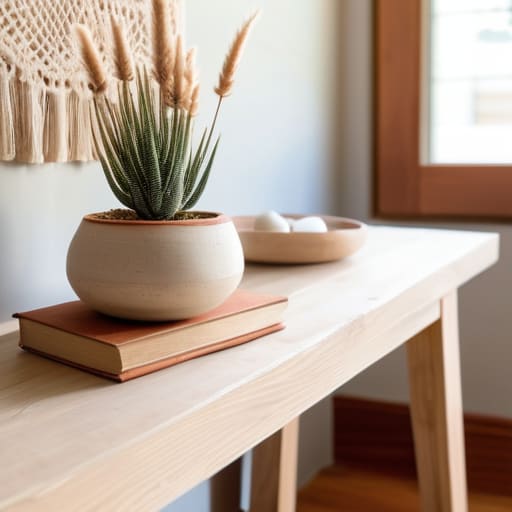
I spent most of my twenties surrounded by tangled wires and half-finished circuit boards, so I’ve always had a low tolerance for things that look good but serve no purpose. Lately, I’ve noticed a trend where people spend hours scrolling through endless Pinterest boards, looking for the perfect aesthetic, only to end up overwhelmed and broke. Most of the diy home decor ideas you see online are just glorified ways to waste your weekend on projects that look nothing like the photo once you actually finish them. We need to stop treating our living spaces like digital mood boards and start treating them like functional environments that actually feel like home.
In this post, I’m cutting through the fluff to give you six practical, hands-on projects that bridge the gap between style and utility. I’m not talking about glue guns and glitter; I’m talking about real, durable upgrades you can implement without turning your house into a construction zone. These six methods are designed to be straightforward, cost-effective, and—most importantly—actually worth your time. Let’s get to work and build something that actually lasts.
Table of Contents
Reclaim Your Walls with Floating Shelves
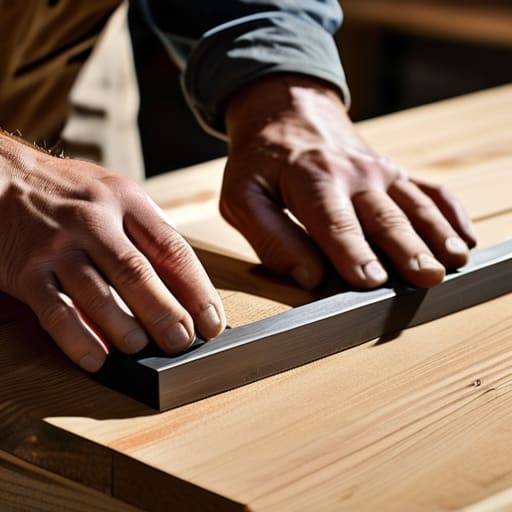
Most people think they need a professional contractor to make a room look “finished,” but half the time you just need some solid wood and a level. Skip the flimsy, particle-board stuff from the big-box stores that bows under the weight of a single book. Instead, head to a local lumber yard, grab some thick oak or reclaimed pine, and mount them with heavy-duty brackets that actually bite into your studs. It’s about building a system that holds weight, not just something that looks pretty for five minutes.
Industrial Lighting from Scrapped Parts
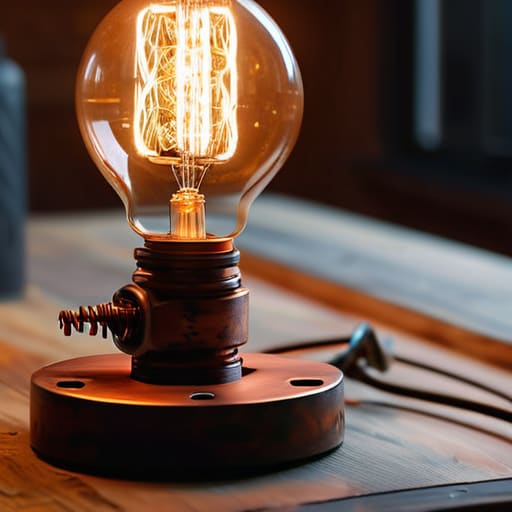
Lighting is the fastest way to change the mood of a room, but designer lamps carry a price tag that’s frankly ridiculous. If you have a bit of mechanical inclination, you can build something far more interesting using basic electrical components and some industrial salvage. I’m talking about old copper piping, heavy-duty Edison bulbs, and a solid base. It’s a simple assembly job that bridges the gap between raw hardware and functional art.
Leather Accents for a Tactile Feel
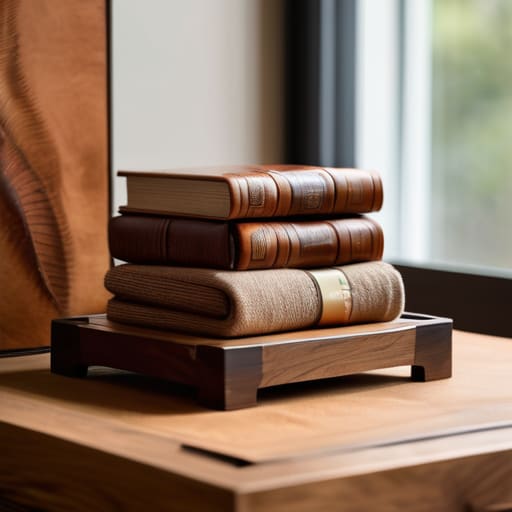
A lot of modern decor feels sterile because everything is made of synthetic materials that don’t age well. If you want to add some soul to a room, look into leather. You don’t need to be a master upholsterer to make an impact. You can take some leftover scraps from a local shop and turn them into drawer pulls, cord organizers, or even simple coasters. It adds a tactile, grounded element to your environment that plastic just can’t replicate.
Framed Blueprint or Technical Art
Stop buying mass-produced prints of landscapes you’ve never seen. If you want your walls to say something about who you are, look for something with actual substance. I’ve found that framing old technical drawings, patent prints, or even detailed schematics from your own hobby—like an old synthesizer circuit diagram—adds an incredible amount of character. It’s decor that serves as a conversation starter without being loud or obnoxious.
Organized Tool and Tech Stations
We spend half our lives interacting with tools and gadgets, so why do we hide them in messy drawers? Real decor isn’t just about aesthetics; it’s about functional organization. If you have a workspace, build a pegboard system using high-quality wood rather than the flimsy metal versions. Arrange your most-used items in a way that makes sense for your workflow. When your tools are visible and organized, they become part of the room’s design.
Upcycled Wood Crates for Modular Storage
Most storage solutions are either too expensive or too flimsy to last more than a year. If you want something that actually works, go find some old wooden crates. They are the ultimate modular building blocks. You can sand them down, stain them to match your existing furniture, and stack them to create bookshelves, side tables, or even a modular room divider. It’s a straightforward, low-cost way to add structure to a room.
Bottom Line: Keep It Functional
Don’t get lost in the “aesthetic” rabbit hole; if a project doesn’t serve a purpose or actually improve your space, it’s just more clutter you’ll have to clean up later.
Prioritize durability over trends. Use tools and materials that are built to last, not stuff that looks good for a week and then falls apart.
Start small and stay hands-on. The goal is to bridge the gap between seeing a finished product and actually understanding how to build it yourself.
Cut the Noise and Start Building
Look, we’ve covered a lot of ground here, from repurposing old wood to finally getting those shelves mounted correctly. The common thread in everything we discussed isn’t about buying the most expensive tools or following a complex blueprint; it’s about functional simplicity. Whether you’re refinishing a side table or setting up a custom lighting rig, the goal is to create something that serves a purpose in your daily life rather than just acting as more clutter to dust. Don’t get paralyzed by the fear of making a wrong cut or picking the wrong shade of paint. At the end of the day, these projects are about improving your environment through steady, deliberate action rather than endless consumerism.
My advice? Pick one thing from this list—just one—and get your hands dirty this weekend. You don’t need a showroom-ready masterpiece to feel the satisfaction of saying you built something with your own two hands. There is a specific kind of mental clarity that comes from stepping away from the digital grind and focusing on something tangible, something you can actually touch and use. Stop overthinking the aesthetics and just focus on the process. Once you stop treating your home like a curated social media feed and start treating it like a living, breathing system, you’ll realize that the best decor is the stuff that actually works for you.