
I spent most of my twenties thinking “self-care” meant buying a $50 scented candle or downloading another meditation app that pings you every twenty minutes to remind you to breathe. It’s all noise. Most of the advice you see online about how to build a self care routine is just another way to sell you a subscription or a lifestyle you don’t have time for. If a routine requires a spreadsheet and three different smartphone apps just to manage, it’s not a tool—it’s a system failure. I’ve spent my career fixing complex digital architectures, and I can tell you that the most robust systems are always the simplest ones.
I’m not here to give you a list of aesthetic habits to post on Instagram. Instead, I want to show you how to build a routine that actually functions when your life gets messy and your bandwidth is low. We’re going to focus on tactical, physical habits that bridge the gap between your digital burnout and your actual, breathing reality. I’ll show you how to strip away the fluff and implement a few no-nonsense methods that actually work when the screen goes dark and the real world demands your attention.
Table of Contents
Effective Morning Self Care Rituals for Real Results
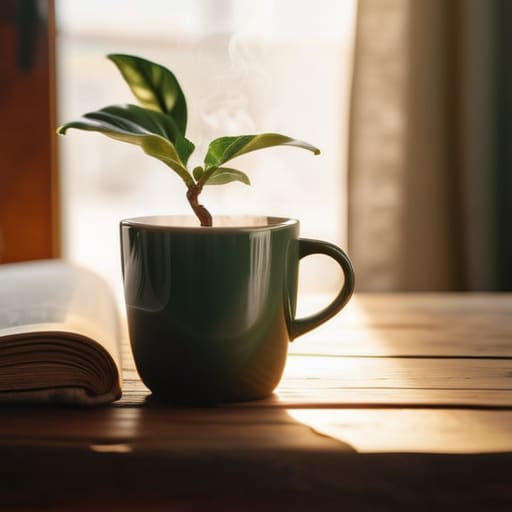
Most people treat their mornings like a race they’ve already lost. They wake up, grab their phone, and immediately let a flood of emails and notifications dictate their stress levels before they’ve even brushed their teeth. That’s not a routine; that’s a system failure. If you want actual morning self care rituals that work, you need to stop trying to “find time” and start protecting it. I’m talking about a ten-minute buffer where the digital world doesn’t exist. Whether it’s sitting with a coffee without a screen or doing a quick stretch, the goal is to ground yourself in your physical space before the digital noise takes over.
Don’t overengineer this. You don’t need a forty-step meditation sequence to see results. I’ve found that the most effective stress management techniques are the ones that require the least amount of mental overhead. Pick one physical task—something that gets your hands moving, like making a proper breakfast or even just tidying your workspace—and do it with intention. Consistency beats complexity every single time. If you can master those first thirty minutes, you’ve already built a foundation that prevents the rest of the day from spiraling.
Building Healthy Habits for Burnout Prevention

Look, burnout isn’t some sudden crash; it’s a slow leak in your system. I’ve seen it happen in project management all the time—you ignore the small warnings until the whole engine seizes up. If you’re waiting for a massive vacation to fix your exhaustion, you’ve already lost the battle. Real building healthy habits for burnout prevention isn’t about adding more tasks to your to-do list; it’s about setting hard boundaries that protect your bandwidth. I’m talking about things like a strict “no-screens” rule an hour before bed or refusing to check email during dinner. These aren’t just suggestions; they are operational safeguards for your brain.
You also need to stop treating your downtime like an afterthought. Most people treat mental health as something to deal with once they’re already broken, but you need to integrate basic stress management techniques into your actual workday. This might mean a five-minute walk without a podcast or just stepping away from the desk to grab a glass of water. It sounds trivial, but these micro-breaks prevent the cumulative cognitive load from redlining your system. Keep it simple, keep it consistent, and stop overcomplicating the solution.
Stop Overengineering Your Routine: 5 Rules for Staying Sane
- Audit your current friction points. Before you add a single new habit, look at what’s actually draining your battery. If your “self-care” involves a 12-step skincare routine that feels like a second job, scrap it. Fix the leaks in your schedule first.
- Use the “Minimum Viable Habit” rule. On days when everything goes sideways—and they will—don’t skip your routine entirely. Just do the smallest, most stripped-down version of it. Five minutes of stretching beats zero minutes of stretching every single time.
- Anchor new habits to existing ones. Don’t try to conjure a new routine out of thin air. If you want to meditate, do it right after you finish your first cup of coffee. Use the momentum of a physical action you already perform to trigger the new one.
- Get off the screen to get into your body. Real self-care isn’t scrolling through wellness influencers on Instagram. If your routine doesn’t involve something tactile—like cooking a real meal, walking without a podcast, or even just sitting in silence—it’s just more digital noise.
- Build for your worst day, not your best day. Most people design routines for when they have unlimited energy and perfect lighting. That’s a mistake. Design a routine that works even when you’re exhausted, stressed, and running on four hours of sleep. That’s the only way it actually sticks.
The Bottom Line
Stop looking for a ten-step ritual; pick one physical habit that anchors you and master it before adding anything else.
Treat your energy like a finite resource in a closed system—if you don’t schedule downtime, your body will eventually force a shutdown.
Real self-care isn’t about buying more gear or downloading more apps; it’s about creating systems that get you away from the screen and back into the real world.
Cutting Through the Noise
Look, we’ve covered a lot of ground here, from morning rituals to the heavy lifting of burnout prevention. If you take nothing else away from this, remember that a self-care routine isn’t some luxury spa day or a complex digital calendar full of color-coded blocks. It’s about functional maintenance. Just like I wouldn’t expect a vintage synthesizer to run perfectly without regular calibration, you can’t expect your brain and body to perform if you’re neglecting the basics. Stop trying to optimize every second of your day and focus on the high-leverage habits—the ones that actually move the needle on your mental clarity and physical energy.
At the end of the day, the best system is the one you actually use. Don’t get caught in the trap of “productivity porn” where you spend more time planning your wellness than actually living it. Start small, keep it simple, and build it around your real-world constraints, not some idealized version of yourself. Life is messy, and your routine should be robust enough to handle that mess without breaking. Build for reality, not for the aesthetic. Now, put the phone down, step away from the screen, and go do something that makes you feel human again.