
I was sitting at my workbench last weekend, elbow-deep in the guts of a 1974 Moog synthesizer, when I realized I’d spent the last twenty minutes obsessing over a smart water bottle that was currently pinging my phone to tell me I was “dehydrated.” It felt ridiculous. I’m a systems engineer; I deal in logic and efficiency, yet I’d fallen for the marketing trap of treating my body like a piece of hardware that needs constant software updates. We’ve been sold a mountain of nonsense regarding hydration myths, from the “eight glasses a day” rule to expensive electrolyte powders that taste like liquid chalk, and frankly, it’s just unnecessary noise that complicates a basic biological function.
I’m not here to sell you a subscription to a wellness app or a $50 insulated flask. My goal is to strip away the fluff and look at the actual mechanics of how your body handles fluid. In this post, I’m going to break down the most common hydration myths using common sense and a bit of practical physics. We’re going to focus on what actually works when you’re busy living your life, so you can stop tracking every sip and just get back to work.
Table of Contents
The Truth About Daily Water Intake Requirements
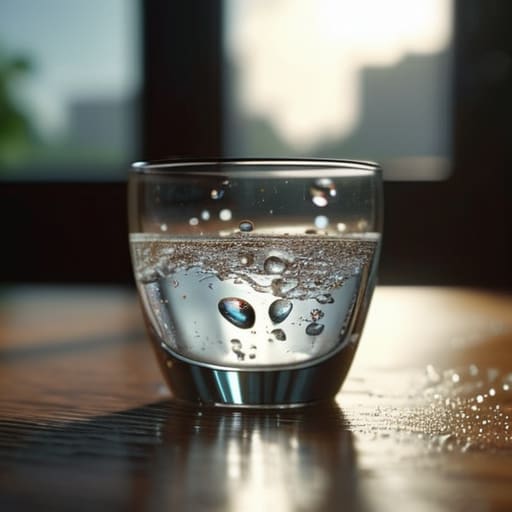
You’ve probably seen that “eight glasses a day” rule plastered everywhere, but as an engineer, I don’t care for arbitrary constants that don’t account for variables. Your body isn’t a static system; it’s a dynamic one. Factors like how much you sweat, the humidity in your office, or even how much coffee you’ve had change your actual daily water intake requirements every single day. Treating a single number as a universal law is a classic example of overcomplicating a simple biological process.
Instead of staring at a tracker, start paying attention to your own hardware. The most reliable way to gauge your status is to monitor the signs of dehydration—like a nagging headache or a sudden dip in focus. If your urine is pale yellow, you’re doing fine. If it looks like apple juice, you’ve got a problem. Forget the complex math; just listen to your body’s feedback loops. It’s much more efficient than trying to force-feed yourself liters of water just because an app told you to.
Electrolytes vs Plain Water What Actually Matters
Here’s the deal: you can chug a gallon of distilled water and still feel like a dried-out sponge. That’s because your body isn’t just a tank that needs filling; it’s a complex electrical system. When we talk about electrolytes vs plain water, people tend to go one of two ways—either they ignore salts entirely or they start buying neon-colored powders that taste like melted gummy bears.
If you’re just sweating through a workout or sitting in a heated office, plain water is usually fine. But if you’re noticing real signs of dehydration—like a dull headache or that mid-afternoon brain fog—you likely need more than just H2O. You need sodium, potassium, and magnesium to actually move that water into your cells. Without those minerals, the water just passes right through you, leaving your internal systems running on low battery. Don’t overcomplicate it with expensive supplements; a pinch of high-quality sea salt in your bottle does more for your focus than any “smart” hydration app ever will.
Cut the Noise: 5 Hydration Rules That Actually Work
- Stop chasing the “8 glasses a day” rule. It’s an arbitrary number that doesn’t account for your body weight, the weather, or how much you sweat. If you’re thirsty, drink; if your urine is pale yellow, you’re doing fine.
- Ditch the expensive “smart” water bottles. You don’t need a Bluetooth-enabled flask to tell you when to swallow. A simple, durable stainless steel bottle you can carry everywhere is more effective than any app.
- Don’t forget that food counts. A huge chunk of your hydration comes from the fruits and vegetables you eat. If you’re eating real food instead of processed junk, you’re already ahead of the game.
- Stop treating caffeine like a hydration enemy. While it’s not a substitute for water, the idea that a cup of coffee instantly dehydrates you is mostly nonsense. Just don’t rely on it as your primary fluid source.
- Avoid the “over-hydration” trap. Drinking massive amounts of water in a short window can actually flush out necessary minerals and mess with your system. Drink steadily throughout the day, not all at once like you’re crossing a desert.
Bottom Line: Keep It Simple
Stop letting a smart device dictate your biology; if you’re thirsty, drink, and if your urine is pale yellow, you’re doing fine.
Don’t waste money on fancy “alkaline” or “structured” waters—just add a pinch of high-quality sea salt to your water if you’re sweating heavily.
Focus on real food sources like fruits and vegetables for hydration rather than trying to engineer the perfect liquid intake schedule.
Cut the Noise and Just Drink
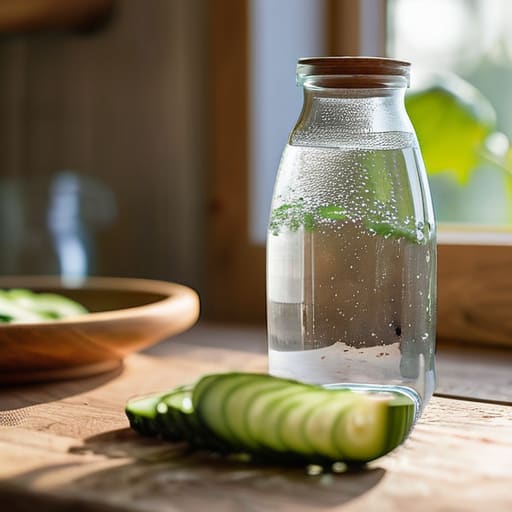
Look, at the end of the day, you don’t need a smart water bottle that pings your phone or a complex spreadsheet to track your ounces. We’ve debunked the myth that everyone needs exactly eight glasses a day, and we’ve cleared up the confusion between chasing pure water and actually needing electrolytes to keep your system running. If you’re feeling parched, or your urine looks more like apple juice than pale straw, your body is telling you something. Listen to your biology instead of an algorithm. Focus on the basics: carry a reusable bottle, eat your damn vegetables, and don’t overthink the math. Keep it simple.
My philosophy has always been that the best systems are the ones that run quietly in the background without demanding constant maintenance. Hydration should be exactly like that. It shouldn’t be another chore on your digital to-do list or a source of constant anxiety. Stop looking for the “perfect” hydration protocol and just start paying attention to how you actually feel when you’re moving through your day. Once you stop chasing the latest wellness trends, you’ll find that staying healthy is actually quite intuitive. Get back to the basics, trust your gut, and get back to work.