
I spent the better part of my twenties watching “financial gurus” on TV preach about complex arbitrage and stacking five different rotating reward categories just to save enough for a decent toaster. It’s exhausting, and frankly, it’s a distraction. Most of the advice out there is designed to keep you staring at spreadsheets instead of actually building wealth. If you’re looking for a way to master how to be smarter with credit cards without turning your life into a second full-time job, you’re in the right place. I’m not interested in the high-maintenance games that banks play to keep you hooked; I’m interested in systems that actually work when you step away from the computer.
In this guide, I’m stripping away the fluff and the “optimization” nonsense. I’m going to give you the straightforward, mechanical approach I use to manage my own finances—the kind of logic you’d use to troubleshoot a circuit board or manage a complex IT rollout. We’re going to focus on eliminating friction and making your credit work for you, not the other way around. No hype, no complicated math, just tested methods that bridge the gap between your bank account and your real-world goals.
Table of Contents
Maximizing Credit Card Benefits Without Overcomplicating Your Life

Look, I’ve seen people spend dozens of hours every month tracking spreadsheets and chasing airline miles like it’s a second job. That’s not being smart; that’s just being inefficient. If you’re spending more time managing your rewards than the actual value of the rewards is worth, you’ve already lost the game. To truly succeed at maximizing credit card benefits, you need to pick one or two cards that align with your actual, everyday spending—like groceries or gas—and ignore the rest of the noise.
The real trick isn’t finding a “magic” card; it’s about maintaining a system that works in the background. This means keeping a close eye on your credit utilization ratio explained simply: it’s just the percentage of your available limit that you’re actually using. Keep that number low, and you’ll see your score climb without having to jump through hoops. If you stick to a simple rule of paying your balance in full every single month, you’ll bypass the interest traps entirely and actually start seeing the math work in your favor.
Smart Credit Card Spending Habits That Stick
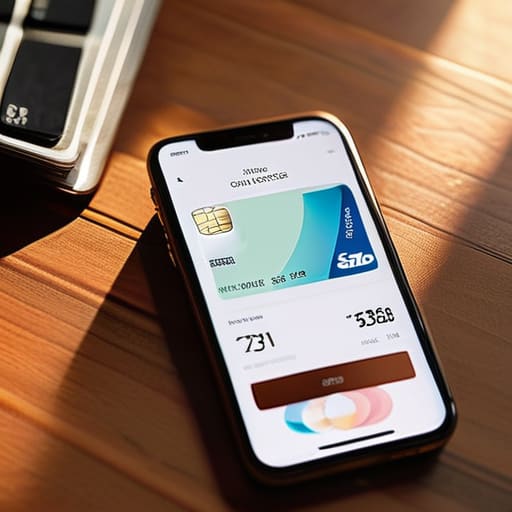
Look, most people treat their credit card like a secondary income stream, and that’s exactly how you end up underwater. If you want to actually win this game, you need to treat your card like a debit tool. I always tell my clients: if you don’t have the cash sitting in your bank account right now to cover the purchase, don’t swipe the card. This is the simplest way of avoiding credit card debt traps before they even start. It keeps your spending grounded in reality rather than some digital fantasy.
Beyond just not overspending, you need to keep an eye on your credit utilization ratio explained simply: it’s just the percentage of your available limit that you’re actually using. Even if you pay your bill in full every month, maxing out your limit can actually drag your score down. Aim to keep your usage below 30% to stay in the clear. By maintaining these smart credit card spending habits, you aren’t just managing a piece of plastic; you’re building a reliable system that works for you, not against you.
Five No-Nonsense Rules for Keeping Your Credit in Check
- Automate your minimums, but manually pay the full balance. Setting up autopay for the minimum ensures you never hit a late fee, but I’ve learned the hard way that relying on automation for the full amount can lead to “set it and forget it” errors. Treat the final payment like a manual task to ensure your balance hits zero every single month.
- Stop treating rewards like free money. If you’re spending an extra fifty bucks a month just to earn ten bucks in travel points, you aren’t winning—you’re losing. Only use the card for purchases you were already planning to make; otherwise, you’re just subsidizing the bank’s profits.
- Treat your credit limit like a ceiling, not a budget. Just because a bank gives you a $10,000 limit doesn’t mean you have $10,000. I always look at my available credit as a safety net for emergencies, not a fund for lifestyle inflation. Keep your actual utilization low to keep your score healthy.
- Audit your statements like you’d audit a project budget. Once a month, spend ten minutes scrolling through your transactions. It’s the easiest way to catch ghost subscriptions or fraudulent charges before they snowball into a headache that takes hours of phone calls to fix.
- Keep your oldest accounts open, even if you don’t use them daily. Credit age is a massive component of your score. If you have an old card with no annual fee, keep it in a drawer. Closing it is like deleting a piece of vital system history—it makes your entire financial profile look more volatile than it actually is.
The Bottom Line: Keep It Simple and Keep It Controlled
Stop chasing every single reward program under the sun; pick one or two solid cards that match your actual spending and stick to them.
Treat your credit card like a debit card—if the money isn’t in your bank account right now, don’t swipe the plastic.
Set up autopay for the full statement balance every single month so you never hand a cent of your hard-earned money over to a bank in interest.
Cut the Noise and Get Back to Reality

Look, we’ve covered a lot of ground here, but it all boils down to one thing: simplicity wins. You don’t need a PhD in finance or a spreadsheet with fifty tabs to master your credit. If you focus on paying your balances in full, choosing one or two reliable cards that actually fit your lifestyle, and ignoring the flashy, high-interest traps, you’ve already won half the battle. Stop trying to “game” the system with complex points-chasing schemes that end up costing you more in mental energy than they’re worth. The goal isn’t to become a professional credit card strategist; it’s to build a reliable financial foundation that works quietly in the background so you can focus on the things that actually matter.
At the end of the day, your credit card is just a tool—no different from a screwdriver or a piece of software. It’s meant to serve you, not the other way around. If a tool is making your life more complicated, you’re either using it wrong or you’ve got the wrong tool for the job. Use these strategies to bring some order to the chaos, but don’t let the numbers become an obsession. Build a system that is functional, predictable, and sustainable. Once you get the mechanics right, you can stop worrying about the plastic and get back to living your actual life.