
I was sitting at my workbench last weekend, mid-way through stripping the oxidized contacts on an old Moog synthesizer, when I realized how much the “financial gurus” online treat homeownership like a complex software bug you can’t patch. They want you to download five different apps, track every single calorie, and obsess over micro-investing pennies while the real goal—actually knowing how to save for a house—gets buried under a mountain of digital noise. It’s exhausting. Most of the advice out there is just engineered complexity designed to keep you scrolling rather than actually building equity.
I’m not here to sell you on a lifestyle overhaul or a complicated spreadsheet that requires a degree in data science to maintain. My approach is much more like systems engineering: we’re going to identify the leaks in your current setup, automate the heavy lifting, and focus on the high-impact moves that actually move the needle. I’m going to give you the straightforward, tested methods I used to transition from renting to owning, cutting through the hype to focus on what works when the screen goes dark.
Table of Contents
Budgeting for Real Estate Without the Digital Noise

Most people approach budgeting like they’re trying to debug a massive, undocumented legacy codebase—they get lost in the complexity and eventually just give up. They download three different apps, sync their bank accounts, and spend more time tweaking notification settings than actually moving the needle. Forget the digital clutter. If you want to master budgeting for real estate, you need to strip it down to the bare essentials: what’s coming in, what’s going out, and what’s left over for the goal.
I’ve found that the most efficient system isn’t a complex spreadsheet; it’s a simple, automated pipeline. Set up a high yield savings account for your home fund and treat it like a non-negotiable utility bill. Every payday, a fixed amount moves there before you even have a chance to look at it. This removes the “decision fatigue” that kills most long-term plans. Once that automation is running, you aren’t just hoping to save; you’re executing a system that works while you sleep.
Finding a High Yield Savings Account for Home Fund Security
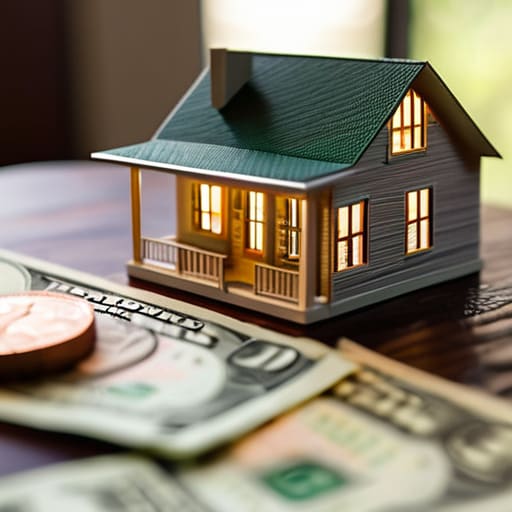
Once you’ve mapped out your monthly numbers, you need a place to park that cash where it won’t just sit there losing value to inflation. Most people make the mistake of leaving their house fund in a standard checking or savings account at their local big-box bank. That’s a system failure. You’re essentially giving the bank a free loan while your own progress stalls. Instead, you need to hunt down a high yield savings account for home fund security. I’m looking for an account that offers a competitive APY without burying you in monthly maintenance fees or complicated fine print.
When you’re vetting these accounts, don’t get distracted by flashy fintech apps that promise the world but make it a nightmare to actually withdraw your money. Stick to established online banks or credit unions that offer liquidity. You need to know that when you hit your target for mortgage down payment requirements, you can actually access those funds without a week-long bureaucratic headache. It’s about building a reliable pipeline from your paycheck to your future front door, ensuring every dollar is working as hard as you are.
Five ways to actually build your fund without losing your mind
- Automate the transfer, then forget it exists. Set up a recurring move from your checking to your high-yield account the day after payday. If you have to manually click “transfer” every month, you’re giving yourself a chance to talk yourself out of it.
- Audit your “phantom” subscriptions. I see this all the time in my consulting work—people bleeding money through dozens of $10/month apps they haven’t opened in a year. Kill the digital clutter; that’s your new roofing fund right there.
- Use the “one-in, one-out” rule for big purchases. Want a new gadget or a piece of gear? Fine, but you have to move the equivalent amount into your house fund first. It forces you to decide if the item is actually worth more to you than your future front door.
- Stop trying to optimize every single cent and focus on the big wins. You won’t get to a down payment by skipping a latte, but you will by renegotiating your car insurance or moving to a cheaper phone plan. Fix the big systems, not the tiny leaks.
- Create a physical visual for your progress. I keep a simple sketch in my notebook of the milestones I need to hit. Digital progress bars are fine, but seeing a tangible goal helps bridge the gap between your bank balance and the reality of owning a home.
The bottom line on building your fund
Stop looking for complex spreadsheets; just automate a set amount of money to move into your high-yield account every single payday.
Treat your house fund like a non-negotiable utility bill—it’s a fixed cost that gets paid before you spend on anything else.
Focus on the math of the gap between what you earn and what you spend, rather than obsessing over every single small purchase.
Cutting Through the Noise

Look, saving for a home isn’t about finding some magical, complex algorithm or a secret crypto play that promises overnight riches. It comes down to the basics we’ve already talked about: getting a handle on your actual cash flow without the spreadsheet bloat and moving that money into a high-yield account where it can actually do some work for you. You don’t need a dozen different fintech apps screaming for your attention; you just need a systematic, repeatable process that treats your down payment like a non-negotiable monthly utility bill. Stop overthinking the math and start focusing on the mechanics of moving money from your checking account to your savings.
At the end of the day, a house is more than just a line item on a balance sheet or a goal in a banking app. It’s the physical foundation where your real life actually happens—the place where you can finally turn off the notifications and just exist. The digital noise will always be there, trying to distract you with the next big trend, but real progress is built in the quiet, disciplined moments of everyday life. Put your head down, stick to the fundamentals, and build that foundation one steady, practical step at a time. You’ve got this.