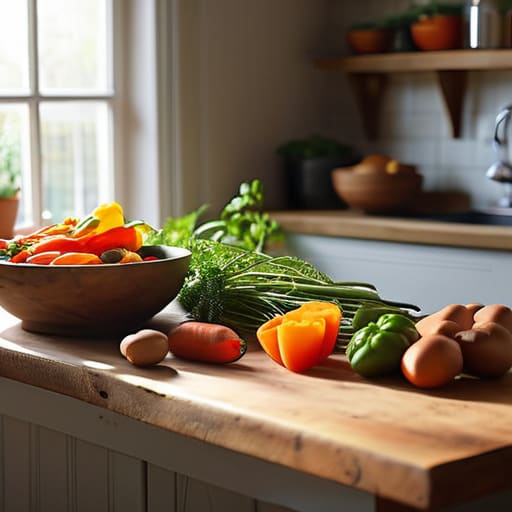
I’m tired of seeing those “budget meal prep” influencers telling you that you need a $400 smart fridge and a dozen specialized glass containers just to save a few bucks. It’s nonsense. Most of the advice floating around the internet about how to lower food costs is just more clutter designed to sell you a lifestyle you don’t need. I spent years working in systems engineering, and if there’s one thing I learned, it’s that you don’t fix a leaking pipe by buying a more expensive faucet; you find the source of the waste and plug it.
I’m not here to give you a list of trendy superfoods or complicated recipes that require a trip to three different specialty grocers. Instead, I’m going to show you how to apply some basic logic to your pantry and your shopping habits to see real, tangible results. We’re going to focus on functional efficiency—buying staples, minimizing waste, and cutting out the middleman. No fluff, no expensive gadgets, just straightforward methods that actually work when you’re staring at a receipt at the end of the week.
Table of Contents
Budget Grocery Shopping Tips That Actually Save Money

Look, most people treat grocery shopping like a scavenger hunt where the prize is a higher bill. If you want to see real movement in your bank account, you have to stop shopping by impulse and start shopping by design. I’m a big believer in meal planning for savings, but I’m not talking about those Pinterest-perfect, three-hour prep sessions that leave you exhausted. I mean a simple, functional system: look at what you already have in the pantry, check the weekly circular for what’s actually on sale, and build your list around those items. If it’s not on the list, it doesn’t go in the cart. Period.
Once you have your list, lean into the bulk buying benefits for your non-perishables. Things like rice, beans, oats, and even certain spices are significantly cheaper when you buy them in larger quantities. It’s basic systems engineering—optimize your input to lower your long-term output costs. Also, don’t overlook the frozen aisle. Frozen vegetables are often more nutrient-dense than the “fresh” stuff that’s been sitting on a truck for a week, and they are a massive part of reducing food waste at home because they won’t rot in your crisper drawer if you have a busy week.
Low Cost Nutritious Meal Ideas for Real Life

Look, you don’t need a culinary degree or a subscription to a gourmet meal kit to eat well on a budget. The secret is focusing on “anchor ingredients”—versatile, cheap staples that can be repurposed so you aren’t eating the exact same thing four nights in a row. I’m talking about dried lentils, oats, eggs, and frozen vegetables. These aren’t glamorous, but they are the backbone of low cost nutritious meal ideas that actually keep you full. A big batch of seasoned black beans can become a burrito filling on Monday and a hearty soup base on Wednesday.
The real trick to making this sustainable is leaning into meal planning for savings without turning your kitchen into a laboratory. Don’t try to cook five different recipes; instead, pick two or three solid frameworks and rotate them. If you’re making a stir-fry, use whatever frozen veg is on sale and toss in some cheap protein like tofu or chicken thighs. This approach is the most effective way of reducing food waste at home, because you’re actually using what you buy instead of letting a bag of wilted spinach die in the crisper drawer.
Systems Over Shopping Lists: Five Ways to Tighten Your Food Budget
- Stop buying “convenience” versions of everything. Pre-cut onions, bagged salads, and individual snack packs are just profit margins in plastic packaging. Buy the whole vegetable and do the five minutes of prep yourself; it’s the simplest way to cut your bill without changing what you actually eat.
- Master the art of the pantry staple. If your kitchen is built on a foundation of dried beans, rice, oats, and lentils, you’ve got a safety net. These things are dirt cheap, they don’t expire for months, and they turn whatever random scraps are in your fridge into a legitimate meal.
- Shop your own inventory before you hit the store. I see people walk into a supermarket with a list when they already have three cans of chickpeas and a box of pasta sitting in the back of the cupboard. Check your shelves first so you aren’t buying duplicates of things you already own.
- Embrace the frozen aisle. There’s a massive misconception that frozen food is inferior, but for vegetables and fruits, it’s often better because it’s picked at peak ripeness and flash-frozen. It’s cheaper, it won’t rot in your crisper drawer if you forget about it, and it eliminates waste.
- Audit your “leakage.” Small, mindless expenditures—like that daily $5 coffee or the impulse snacks at the checkout lane—are like slow leaks in a hydraulic system. They don’t look like much in the moment, but they’ll drain your budget dry by the end of the month. Track the small stuff for one week and you’ll see exactly where the money is vanishing.
The Bottom Line
Stop chasing complex meal prep systems; just master the basics of bulk staples and seasonal buying to keep your overhead low.
Focus on the math, not the marketing—if a “specialty” ingredient doesn’t serve a functional purpose in three different meals, leave it on the shelf.
Efficiency comes from planning your physical reality, not your digital one; a simple paper list beats a fancy app when you’re actually standing in the aisle.
Cutting Through the Grocery Noise
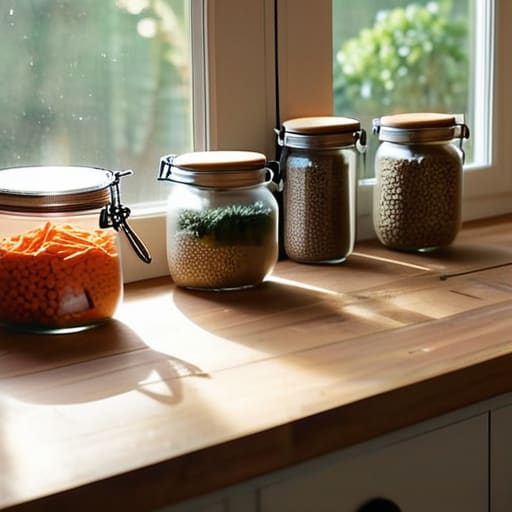
Look, lowering your food costs isn’t about some complex spreadsheet or buying expensive “survival” gear. It comes down to the basics we’ve talked about: buying staples in bulk, planning around what’s actually in season, and refusing to let impulse buys dictate your budget. If you can master the art of the pantry staple and stop falling for the marketing traps in the middle aisles, you’ve already won half the battle. It’s about building a reliable system that works for your schedule and your wallet, rather than trying to chase every fleeting food trend you see on your phone.
At the end of the day, managing your food budget is just another form of systems engineering. You’re optimizing your resources to ensure you get the highest possible output—nutrition and satisfaction—with the least amount of wasted effort and cash. Don’t aim for perfection on day one; just aim for better consistency. Start with one or two of these methods this week, see how they fit into your actual life, and tweak them from there. Once you stop overcomplicating the process, you’ll realize that financial breathing room is much easier to achieve than the gurus make it out to be.