I was hunched over a workbench last Tuesday, trying to recalibrate a 1970s Moog synthesizer, when I realized I hadn’t eaten anything since a lukewarm coffee at 7:00 AM. My back was aching, my eyes were stinging from the screen glare, and I was running on nothing but pure caffeine and stress. We’ve been sold this lie that maintaining healthy habits for a busy schedule requires a $200 gym membership, a color-coded meal prep spreadsheet, and enough free time to meditate for an hour every morning. Honestly? That’s complete nonsense. If a system is too complex to maintain when things go sideways, it’s a bad system.
I’m not here to sell you on some high-maintenance lifestyle overhaul that falls apart the moment a project deadline hits. Instead, I’m going to share the few, stripped-down methods I use to keep my body and mind functioning while I’m juggling client calls and hardware repairs. We’re going to focus on low-friction wins—the kind of practical, repeatable actions that actually stick when your life gets messy. No fluff, no expensive gadgets, just straightforward mechanics for staying sane.
Table of Contents
Time Efficient Meal Prepping That Doesnt Waste Your Sunday

Look, I’ve never been a fan of the “Sunday Ritual” where you spend five hours in a kitchen sweating over Tupperware containers just to eat lukewarm chicken for the next six days. That’s not a system; it’s a second job. If you want actual time-efficient meal prepping, you need to stop thinking in terms of complete recipes and start thinking in terms of components.
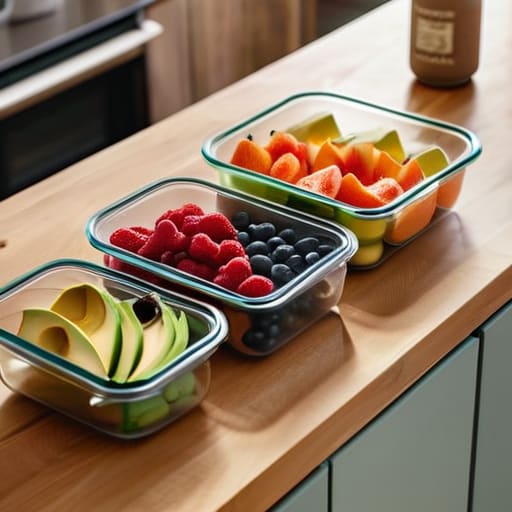
Instead of cooking full meals, spend thirty minutes roasting a massive tray of vegetables and boiling a batch of grains. Keep a stash of high-quality proteins—like canned tuna, rotisserie chicken, or hard-boiled eggs—on hand. When Tuesday rolls around and your brain is fried from back-to-back meetings, you aren’t “cooking”; you’re just assembling. This approach keeps you from hitting the drive-thru when you’re starving. It also makes it much easier to keep nutritious snacks for on-the-go in your bag, so you aren’t relying on vending machine junk to get you through the afternoon slump. Keep it modular, keep it simple, and don’t overengineer the process.
Nutritious Snacks for on the Go Without the Junk
Look, we’ve all been there: it’s 3:00 PM, you’re deep in a project sprint, and the only thing within arm’s reach is a bag of stale pretzels or a vending machine granola bar loaded with enough sugar to make you crash before dinner. Most people think eating well requires a gourmet kitchen, but when you’re running between meetings, you just need a system. Stop treating snacks like an afterthought and start treating them like fuel for the machine.
I keep a stash of high-protein, low-maintenance options in my desk drawer and my truck. Think almonds, jerky, or even those individual nut butter packets. They don’t require a microwave, they don’t expire in three days, and they actually keep your blood sugar steady. If you can master the art of keeping nutritious snacks for on-the-go readily available, you’ll stop making those impulse decisions that leave you feeling sluggish. It’s not about being a health nut; it’s about preventing the mid-afternoon slump so you can actually finish your work and get home on time.
Systems Over Willpower: Five Ways to Keep Your Health from Crashing
- Stop relying on motivation. Motivation is a fickle variable that fails the moment you’re tired or stressed. Instead, build “if-then” systems. If it’s 6:00 PM, then my gym bag is already in the car. If I’m ordering takeout, then I’m adding a double side of greens. Automate the decision so you don’t have to use brainpower you don’t have.
- Master the “Minimum Viable Workout.” On days when your project hits a wall and you’re running on fumes, don’t skip the movement entirely. Do ten minutes of bodyweight exercises or a brisk walk around the block. It keeps the habit loop intact without demanding an hour of your time you don’t possess.
- Fix your sleep environment like you’d fix a faulty circuit. Your bedroom shouldn’t be an extension of your office. Keep the phone out of reach, dim the lights an hour before bed, and keep the temperature cool. If your sleep is garbage, your productivity and health will follow suit, no matter how many vitamins you take.
- Use “Habit Stacking” to bridge the gaps. Don’t try to find new time for health; attach new habits to things you already do. Drink a full glass of water while your coffee brews, or do some calf raises while you’re waiting for a large file to upload. It’s about utilizing the downtime you already have.
- Audit your digital friction. If your phone is constantly pinging with non-essential notifications, you’re living in a state of constant micro-stress. Turn off everything that isn’t a direct communication from a human. Reducing that digital noise lowers your cortisol and makes it a lot easier to actually sit down and eat a real meal.
The Bottom Line: Keeping It Simple
Stop trying to meal prep for the entire week on a Sunday; just focus on prepping components—like a big batch of protein or grains—that you can mix and match in five minutes.
Keep your snacks functional, not emotional. If it doesn’t come in a wrapper that’s easy to toss in a bag or a container that fits in a car cup holder, it’s probably too much work for a busy Tuesday.
Don’t let “perfect” be the enemy of “done.” A decent, quick meal is always better for your system than a complicated recipe that leaves you too exhausted to actually enjoy your evening.
Cut the Noise and Just Start
Look, we’ve covered a lot of ground here, from streamlining your meal prep to keeping your energy stable with actual food instead of vending machine garbage. The common thread in everything we’ve discussed isn’t about finding a magic ritual or a complex app to track your every move; it’s about reducing friction. If your healthy habits require a PhD and three hours of planning every morning, you’re going to fail when things get hectic—and they always get hectic. The goal is to build a system of small, repeatable wins that work even when you’re running on three hours of sleep and a deadline is breathing down your neck. Focus on the low-effort, high-impact moves that keep your physical engine running without draining your mental battery.
At the end of the day, don’t let the pursuit of “perfect health” become just another project that clutters up your life. You don’t need a total overhaul to see results; you just need to stop fighting against your own schedule and start working with it. Real wellness isn’t about a pristine lifestyle you see on a screen; it’s about having the functional capacity to show up for your work, your family, and yourself when it actually matters. Pick one thing we talked about, implement it this week, and see how it feels. Keep it simple, keep it practical, and let the rest of the noise fade into the background.