
I spent forty bucks on a “smart” fitness tracker last month, only to realize it was mostly just a high-tech way to tell me I was sitting too much. The fitness industry loves to make things complicated, pushing expensive GPS watches and hyper-specific interval training plans on people who haven’t even broken a sweat in years. If you’re looking for a way to learn how to start running by downloading a subscription-based app that pings your wrist every thirty seconds, you’re looking in the wrong place. Most of that gear is just digital noise designed to separate you from your paycheck, not to get you moving.
I’m not here to sell you on a lifestyle brand or a complex data-driven regimen. My goal is to give you a functional blueprint that bridges the gap between your couch and the pavement without the unnecessary fluff. I’ll show you how to build a sustainable habit using nothing but a decent pair of shoes and a bit of grit. We’re going to focus on systems that actually work when the weather turns sour and your motivation hits zero. Let’s strip away the hype and get to the real work.
Table of Contents
Finding Running Shoes for Beginners Without the Hype
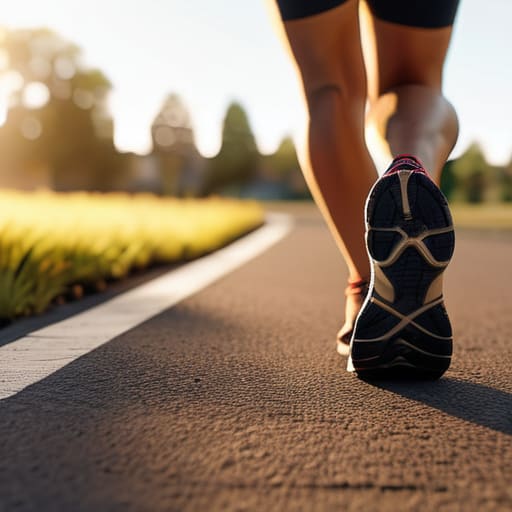
Look, you don’t need a $200 pair of carbon-plated super shoes that look like they belong on a spaceship. I see people walking into specialty stores every week, getting talked into high-tech gear they don’t need, all because a salesperson promised it would make them faster. Truth is, most of that tech is just marketing fluff designed to eat your budget. If you’re just starting out, your priority isn’t speed; it’s running injury prevention. You need a shoe that provides a stable platform and enough cushion to handle the impact without making you feel like you’re running on marshmallows.
Go to a local shop—not a big-box retailer—and just tell them you’re looking for reliable running shoes for beginners. Ask them to check your gait. It’s a simple, mechanical assessment that tells you if you overpronate or stay neutral. Once you find a pair that feels actually comfortable—not just “cool”—you’re done. Don’t overthink the brand or the colorway. Just get something that fits your foot shape and supports your stride, then get out the door.
Building Cardiovascular Endurance Through Real World Effort

Look, you don’t need a $200 smartwatch tracking your VO2 max to know if you’re getting fitter. Real progress isn’t about hitting some digital milestone; it’s about teaching your heart and lungs to handle the load. I’ve spent years optimizing systems, and the human body is no different. If you try to sprint from mile one, you’re going to crash—or worse, end up sidelined with a strain. Instead, focus on building cardiovascular endurance through steady, predictable effort. Think of it like warming up an old analog synth; you don’t just slam the keys; you let the components stabilize first.
If the steady pace feels too monotonous, try some basic interval training for runners. This isn’t about high-intensity madness; it’s just alternating between a brisk walk and a light jog. It breaks the monotony and allows your body to adapt without the systemic shock of a constant, punishing pace. The goal is to stay moving long enough to feel the work, but not so much that you’re gasping for air like a fish out of water. Keep it simple, keep it consistent, and let the biology do the heavy lifting.
Five Rules for Keeping the Momentum When the Newness Wears Off
- Forget the GPS data for a while. If you’re obsessing over your pace or your splits on a smartwatch before you’ve even built a base, you’re going to burn out or get injured. Run at a pace where you can actually hold a conversation without gasping for air. If you can’t talk, you’re going too fast.
- Stick to a schedule, not a feeling. Some days you won’t feel like moving, and that’s fine, but don’t let “not feeling it” become a habit. Pick three days a week, mark them in your calendar like a client meeting, and show up. Consistency beats intensity every single time.
- Use the walk-run method to bridge the gap. There is no shame in walking. If your lungs are screaming, walk for two minutes, then jog for three. It’s a system, not a failure. You’re building the engine; you can’t redline it on day one.
- Don’t ignore the small aches. There is a massive difference between “my muscles are tired” and “my knee feels sharp.” If it’s sharp, stop. I’ve seen too many people try to power through a mechanical issue in their body, only to end up sidelined for months. Treat your joints like precision hardware—maintenance is better than a total overhaul.
- Keep your post-run ritual simple. You don’t need a fifteen-step recovery protocol or expensive supplements. Drink some water, stretch your calves for five minutes, and get moving again as soon as possible. The best recovery is just staying mobile and not letting your muscles seize up on the couch.
The Bottom Line
Don’t get paralyzed by gear specs; get a decent pair of shoes that don’t hurt and start moving.
Forget the fancy training plans for now—focus on consistent, steady effort that you can actually sustain without burning out.
The goal isn’t to win a marathon next week; it’s to build a system where showing up becomes second nature.
Cut the Noise and Just Go
Look, we’ve covered the essentials: get a decent pair of shoes that actually fit your feet, skip the expensive gadgets that just track data you won’t use, and focus on building a base through steady, real-world effort. You don’t need a PhD in sports science or a $500 smartwatch to make progress. The goal isn’t to win a marathon by next Tuesday; it’s about building a system that works for your body and your schedule. Stop searching for the perfect training plan and start focusing on consistent, manageable movement. If you can get out the door, you’ve already won the hardest battle of the day.
At the end of the day, running isn’t about the metrics on a screen or how many likes your Strava activity gets. It’s about what happens when you step away from the digital clutter and reconnect with your own physical capabilities. There’s a certain clarity that comes when you’re just breathing hard and hitting the pavement, away from the notifications and the noise. Don’t wait for the “perfect” moment or the perfect weather to begin. Just lace up, step outside, and trust the process. The hardest part is always the first ten feet outside your front door. After that, you’re just running.