I’m tired of seeing those $1,500 ergonomic chairs and “smart” desk setups being marketed as the holy grail of health. Honestly, most of that tech is just expensive clutter designed to make you feel better about sitting in one place for eight hours straight. If you’re looking for a complex digital system to track every micro-movement, you’re wasting your time and your money. The truth about how to stay active at work isn’t found in a subscription-based wellness app; it’s found in the simple, manual adjustments we ignore because they don’t look good on a LinkedIn infographic.
I’m not here to sell you on a lifestyle overhaul or a complicated routine that takes more effort than the job itself. Instead, I’m going to give you a few straightforward, tested methods that bridge the gap between your desk and your physical reality. We’re going to focus on high-impact, low-friction movements that actually work when you’re in the middle of a deadline. No fluff, no gadgets—just practical ways to keep your body from locking up so you can finish your day without feeling like a rusted-out machine.
Table of Contents
Ditch the Slump With Desk Stretches for Office Workers
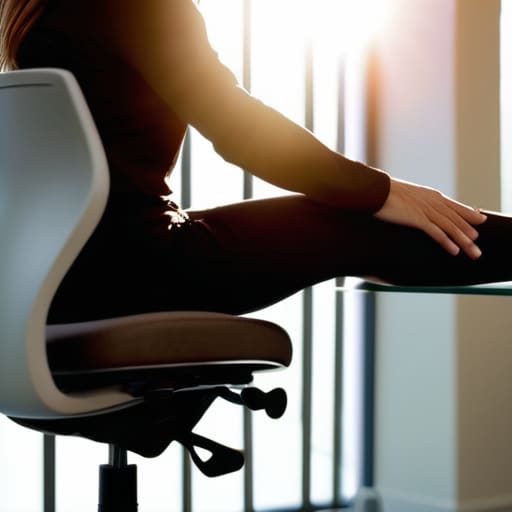
Look, I’m not going to sell you on some elaborate yoga routine that requires a change of clothes and twenty minutes of zen. If you’re stuck behind a monitor all day, your body is going to rebel eventually. The goal isn’t to become an athlete; it’s to prevent your spine from turning into a question mark. Incorporating simple desk stretches for office workers—like a seated spinal twist or a simple neck release—is about breaking the physical stagnation before it turns into chronic pain.
Don’t wait until your lower back feels like it’s been hit by a sledgehammer to move. I’ve found that the most effective way to combat a sedentary lifestyle at work is to treat movement as a system requirement, not an afterthought. Set a timer or use a simple trigger, like finishing a specific task, to force a few micro-breaks for movement. It’s not about the intensity; it’s about the frequency. Even sixty seconds of stretching your hip flexors or rolling your shoulders can keep the gears from seizing up while you’re grinding through your to-do list.
The Truth About Standing Desk Benefits and Physical Reality
Look, I’ve seen the marketing for standing desks, and it’s often sold like some kind of magic cure for a sedentary life. People buy these expensive motorized rigs thinking they’ll suddenly become fitness gurus just by changing their altitude. That’s a lie. The real standing desk benefits aren’t about the act of standing itself—it’s about breaking the static posture that kills your lower back. If you just stand perfectly still for eight hours, you’re just trading one type of physical stagnation for another. You’ll end up with sore feet and even more tension in your hips.
The trick is to treat your desk like a tool, not a monument. A good ergonomic workstation setup should facilitate movement, not just verticality. I always tell my clients to view standing as a way to facilitate micro-breaks for movement rather than a permanent state of being. Switch between sitting and standing every thirty to forty minutes. Use the standing periods to shift your weight, lean on one leg, or even do a quick calf raise. It’s about staying fluid, not staying rigid.
Small Adjustments for People Who Don't Have Time for a Gym Session
- Stop using the elevator for anything under three floors. It sounds cliché, but those extra steps are low-effort wins that keep your blood moving without needing a dedicated workout block.
- Set a physical timer, not just a digital one. When that bell rings, get up. Use it as a hard reset to walk to the water cooler or just pace while you’re thinking through a problem.
- Treat your meetings like mobile tasks. If you don’t need to be staring at a shared screen, take the call while walking around the room or even outside. Movement actually helps some people process information better.
- Stop carrying everything in one trip. If you’re moving files or gear, don’t wait for a cart. Use the natural weight shifts of your body to stay engaged with your physical environment.
- Use your lunch break for a real reset. Don’t eat at your desk while scrolling through emails. Get away from the screen and walk around the block; your brain and your back will thank you for the break from the static posture.
Bottom Line: Keep Moving or Pay for It Later
Stop looking for a magic piece of furniture; a standing desk won’t save you if you just stand there like a statue. Movement is the goal, not the posture.
Use your existing workflow as a trigger. Every time you close a ticket or finish a call, get up and move for sixty seconds. Don’t overthink it, just do it.
Keep your physical environment as streamlined as your digital one. If your workspace is a cluttered mess, your body will feel it. Clear the space, clear the mind, and keep the blood flowing.
Cutting Through the Noise
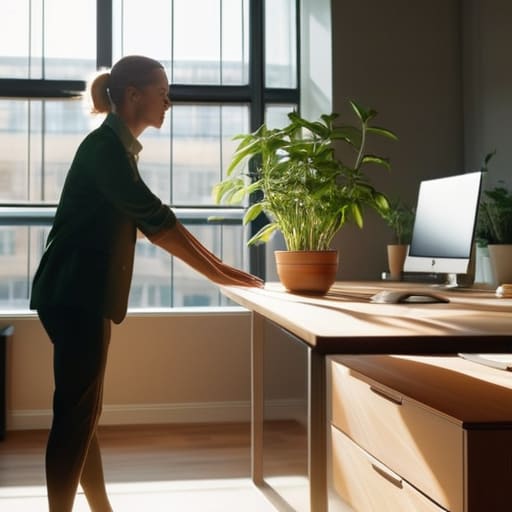
Look, we’ve covered a lot of ground here, from the simple utility of desk stretches to the reality that a standing desk isn’t a magic cure-all for a sedentary lifestyle. The takeaway isn’t about buying the most expensive ergonomic chair or downloading a subscription-based movement tracker. It’s about recognizing that your body wasn’t designed to be a static component in a digital circuit. Whether it’s taking a lap around the office after a long call or just making sure you aren’t locked in a seated slump for four hours straight, the goal is consistent, low-friction movement that integrates into your actual workflow rather than interrupting it.
At the end of the day, don’t let the pursuit of the “perfect” wellness routine become just another item on your overstuffed to-do list. If a system is too complex to maintain when you’re under a deadline, it’s a bad system. Stop looking for the ultimate bio-hack and start focusing on the small, manual adjustments that keep your gears turning. Treat your physical health like a well-maintained piece of machinery: it doesn’t need a total overhaul every week, it just needs regular, practical maintenance to keep it from breaking down when you need it most. Now, get up and move.