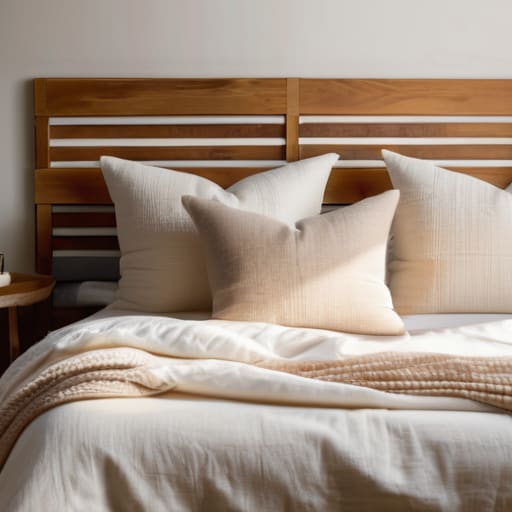
I’ve spent half my life troubleshooting complex systems, from server racks to vintage analog synths, and if there’s one thing I’ve learned, it’s that people love to overengineer simple problems. I see it all the time on social media: people spending hundreds of dollars on “aesthetic” furniture or getting lost in massive, multi-week woodworking projects just to fix a bedroom. Honestly, if a project requires a specialized workshop and a degree in fine arts just to make your bed look decent, it’s a bad system. You don’t need a complicated overhaul; you just need some solid diy headboard ideas that bridge the gap between looking good and actually being functional.
In this post, I’m cutting through the fluff to give you six straightforward builds that won’t drain your bank account or your weekend. We aren’t doing anything precious here; I’m focusing on methods that use standard tools, smart materials, and a bit of common sense. By the time you finish reading, you’ll have a clear roadmap for a headboard that looks intentional and stands the test of time without the unnecessary headache. Let’s get to work.
Table of Contents
The Reclaimed Wood Slat Wall

If you’ve got some old pallet wood or even some leftover cedar from a deck project, don’t let it rot in the garage. I’ve always preferred materials that have a bit of history behind them, and nothing beats the look of vertical wood slats behind a bed. You don’t need a master carpenter’s setup; just grab a miter saw, some wood glue, and a few finishing nails to create a textured backdrop that makes a cheap mattress look like a million bucks.
The Upholstered Panel Hack
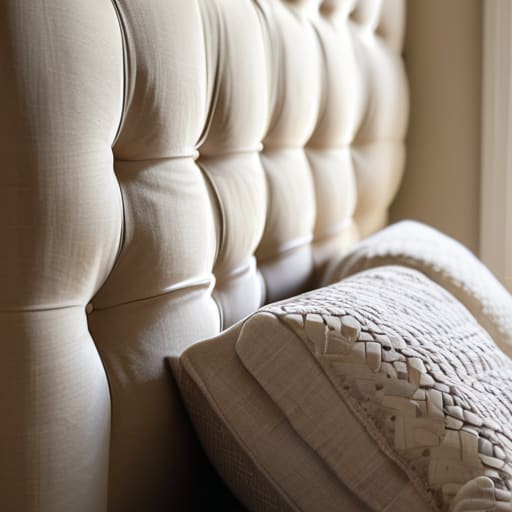
Most people think you need a professional upholstery shop to get those high-end, tufted headboards you see in design magazines. That’s a load of nonsense. You can achieve the same look using a simple piece of plywood, some high-density foam, and whatever fabric fits your style. I usually go for a heavy linen or a textured weave because they hold up better to daily use and don’t look cheap after a month.
The Industrial Pipe Frame
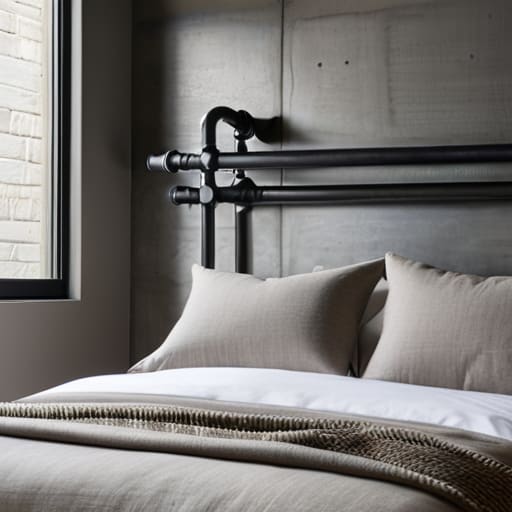
When I’m working on my analog synths, I’m constantly dealing with metal components and rigid structures, so I have a natural affinity for the industrial look. Using black iron piping to create a headboard frame is one of the most structurally sound DIY projects you can undertake. It’s basically a plumbing project disguised as furniture, and it’s incredibly difficult to mess up if you follow the measurements.
The Minimalist Floating Shelf
Sometimes the best solution is the one that takes up the least amount of visual space. If you’re living in a smaller apartment or just hate the feeling of heavy furniture crowding the room, a thick, floating wooden shelf mounted directly to the wall serves as a perfect headboard. It gives you a place to set your phone, a book, or a glass of water without needing bulky nightstands.
The Leather Strap Suspension
This is a great option if you want something that looks sophisticated but requires almost zero heavy lifting. You essentially create a “sling” for your pillows using thick leather straps anchored to two wooden uprights or directly into the wall. It’s a tactile, high-quality approach that brings a bit of warmth to a room that might otherwise feel too sterile or digital.
The Painted Geometric Statement
If you’re someone who prefers a “zero-tools” approach, then stop looking for things to build and start looking at your paint cans. You can create a stunning, faux-headboard effect simply by painting a large geometric shape—like a circle, an arch, or a wide rectangle—on the wall behind your bed. It’s the ultimate way to define the sleeping area without adding a single ounce of physical weight to the room.
The Bottom Line on Building Your Own Headboard
Don’t fall into the “complexity trap”—if a project requires specialized power tools you don’t own or three trips to the hardware store, it’s probably more trouble than it’s worth.
Prioritize function over Pinterest perfection; a headboard’s job is to provide a solid backrest and a bit of style, not to become a second full-time job for your weekend.
Stick to the “measure twice, buy once” rule to avoid wasting money on materials that end up sitting in your garage because they didn’t fit the scale of your bed.
Get Moving and Keep It Simple
At the end of the day, building a headboard doesn’t require a degree in fine woodworking or a garage full of expensive power tools. Whether you went with the rugged look of reclaimed wood, the clean lines of a simple plywood build, or a soft upholstered design, the goal was the same: to create something functional that fits your space. You don’t need to chase every passing design trend or spend a fortune on “designer” furniture that’s held together by particle board and glue. The real value lies in choosing a method that is actually achievable within your budget and your current skill set. Just pick a project that matches your tools, follow the steps, and don’t let the fear of a crooked measurement stop you from starting.
My advice? Don’t let “perfect” be the enemy of “done.” You might find a small gap in a joint or a slightly uneven seam once the project is finished, but that’s just character—it’s proof that a human being actually built it. There is a specific kind of satisfaction that comes from laying your head down against something you built with your own hands. It bridges that gap between the digital world we spend all day in and the physical reality of our homes. So, clear off the workbench, grab your multi-tool, and just get to work. You’ve got this.