
I spent most of my twenties watching project managers drown in “productivity ecosystems”—expensive, bloated software suites that promised to revolutionize their lives but mostly just served as another digital chore to maintain. It’s a joke. We’ve been sold this idea that if we just find the right color-coded calendar or the perfect automated workflow, we’ll finally master time management at work. But let’s be real: most of those tools are just expensive ways to procrastinate. I’ve seen brilliant engineers lose entire afternoons just trying to configure a dashboard instead of actually solving the problem in front of them.
I’m not here to sell you a subscription to a new app or a complex framework that requires a degree to operate. My goal is to give you the stripped-down, mechanical truth about how to get things done without the digital clutter. I’m going to share the analog-first methods I’ve used throughout my career to bridge the gap between a chaotic inbox and actual, meaningful progress. We’re going to focus on systems that actually hold up when the power goes out and the notifications won’t stop screaming.
Table of Contents
Using the Eisenhower Matrix for Productivity Without the Fluff

Most people treat the Eisenhower Matrix like some high-level corporate seminar topic, but it’s actually just a simple way to stop reacting to every shiny notification that hits your inbox. I use it to keep my head straight when a project starts spiraling. You take your tasks and split them into four boxes: urgent and important, important but not urgent, urgent but not important, and neither. The trick isn’t just making the list; it’s about ruthlessly cutting out the noise in that third box. If it’s urgent but doesn’t actually move the needle on your long-term goals, it’s usually just someone else’s emergency masquerading as your priority.
Once you’ve sorted the chaos, you can actually start applying some effective daily scheduling techniques that stick. Instead of jumping between tabs, focus your energy on the “Important/Not Urgent” quadrant—that’s where the real work happens. This is how you move from just surviving the day to actually optimizing workflow efficiency without needing a dozen different subscription-based apps to tell you what to do. Grab a pen, draw four squares in that notebook of yours, and get to work.
Effective Daily Scheduling Techniques That Actually Stick
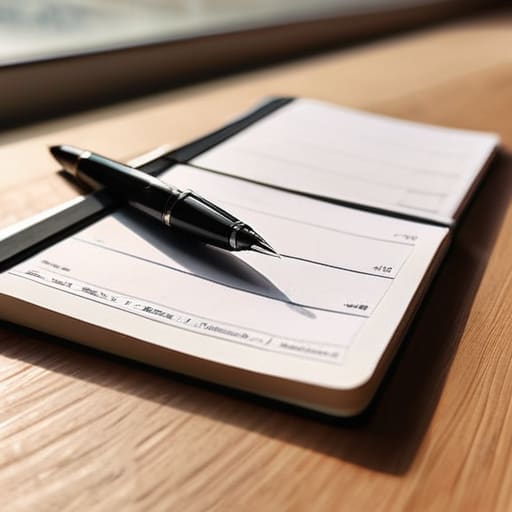
Look, if you’re trying to manage your day by just reacting to every ping on your phone, you’ve already lost. Most people treat their calendar like a suggestion rather than a blueprint. To actually get things done, you need to move toward time blocking methods that treat your focus like a finite resource. Instead of a sprawling, endless to-do list, carve out specific, non-negotiable chunks of time for your heavy lifting. If you have a deep-work task, put it on the calendar and treat it with the same respect you’d give a meeting with your boss.
The trick to making these schedules stick is keeping them realistic. I’ve seen too many people try to schedule every minute of their day, only to fall apart by 10:00 AM when the first “urgent” email rolls in. You have to build in buffer zones. If you don’t account for the inevitable chaos, your entire system will collapse. By building in these gaps, you’re not just optimizing workflow efficiency; you’re building a system that can actually survive a bad Tuesday.
Five Ways to Stop Chasing Your Tail and Start Getting Things Done
- Kill the notifications. If you’re jumping every time a Slack message pops up or an email hits your inbox, you aren’t working; you’re just reacting. Set specific windows—maybe thirty minutes twice a day—to handle communications, and keep the rest of the time focused on the task in front of you.
- Use a physical timer, not your phone. When you pick up your phone to set a timer for a deep-work session, you’re one swipe away from a social media rabbit hole. Grab a cheap kitchen timer or a dedicated desk clock. It keeps the digital distractions out of your line of sight.
- The “One Big Thing” rule. Before you even touch your mouse in the morning, identify the one task that, if completed, makes the day a success. Everything else is just noise. If you hit that one goal, you’ve won, regardless of how many minor emails you didn’t answer.
- Stop over-engineering your to-do list. You don’t need a complex project management suite to manage a Tuesday. If a task takes less than two minutes, do it immediately. If it takes longer, write it down on a single piece of paper. If the list gets longer than what you can physically do in a day, you’re lying to yourself.
- Build in “buffer zones.” I’ve seen too many engineers and managers schedule their days back-to-back like a perfectly tuned machine, only to have the whole system crash when one meeting runs long. Leave twenty minutes of white space between major tasks. It’s the grease that keeps the gears from grinding when real life happens.
Bottom Line: Stop Managing Time and Start Managing Focus
Ditch the digital clutter; if a task doesn’t fit on a single sticky note or a page in your notebook, you’re overcomplicating your day.
Prioritize ruthlessly by separating what’s actually urgent from what’s just loud, and stop letting “urgent” distractions hijack your deep work.
Build a system that works when the power goes out—rely on physical cues and simple frameworks rather than a dozen different productivity apps.
Stop Managing Time and Start Managing Your Reality

Look, we’ve covered a lot of ground here, from sorting your chaos through the Eisenhower Matrix to building a schedule that doesn’t fall apart the moment a real crisis hits. But if you walk away from this trying to implement every single framework at once, you’re just creating more digital clutter. The goal isn’t to become a human algorithm or to fill every minute of your calendar with a colored block. It’s about using these tools to filter out the noise so you can focus on the work that actually moves the needle. Whether it’s a physical notebook or a streamlined digital task list, the best system is the one that actually gets used without requiring a manual to operate.
At the end of the day, time management isn’t about squeezing more productivity out of your soul like some piece of hardware. It’s about building enough structure in your professional life so that when you finally close your laptop, you actually have the mental bandwidth to enjoy your real life. Don’t let your tools become your masters. Use them to clear the deck, handle the essentials, and then get back to the real world. Efficiency is only worth it if it buys you something meaningful in return. Keep it simple, keep it functional, and keep moving forward.