
I spent most of my twenties watching people drown in “career coaching” nonsense, especially when they started asking me how to build a portfolio. They’d spend three weeks obsessing over the perfect hex code for a button or which expensive website builder would make them look “premium,” while their actual work sat gathering dust in a folder somewhere. It’s a massive waste of time. A portfolio isn’t a digital art project or a high-end marketing brochure; it’s a functional tool designed to prove one thing: that you can actually solve a problem when the stakes are real.
I’m not here to sell you on some flashy, over-engineered template that requires a degree in web design just to update. My goal is to show you how to strip away the fluff and build something lean and effective. I’m going to walk you through a system for documenting your real-world wins—the kind that make a hiring manager stop scrolling—without turning your life into a full-time job of managing your own hype. Let’s cut the noise and focus on what actually works.
Table of Contents
Curating Best Projects Instead of Collecting Clutter

Most people treat their portfolio like a digital junk drawer. They think that by dumping every project they’ve ever touched into a folder, they’re proving their worth. They aren’t. In my experience, a cluttered site tells a recruiter that you don’t know how to prioritize, and if you can’t prioritize your own work, why should they trust you with theirs? Curating best projects isn’t about showing off your volume; it’s about demonstrating your judgment. If you have ten projects, pick the three that actually solve a real-world problem and scrap the rest.
Instead of just listing features, focus on portfolio case study examples that tell a story. I want to see the mess you started with, the logic you used to fix it, and the final result. Don’t just show me a polished screenshot—show me the blueprint. When you’re showcasing creative work, the “why” behind your decisions is always more valuable than the “what.” If a project doesn’t demonstrate a specific skill you want to be hired for, leave it on the cutting room floor.
The Real Way of Showcasing Creative Work
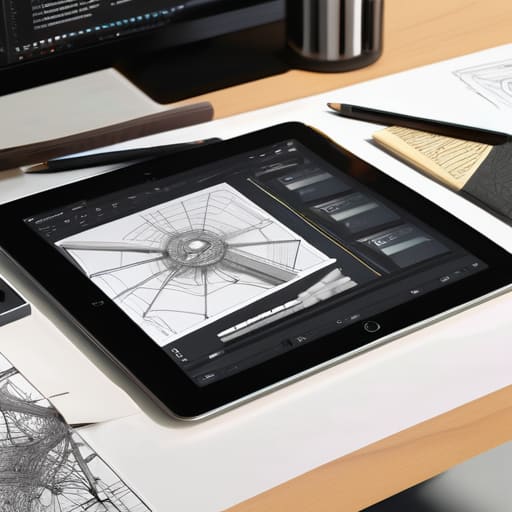
Most people treat their portfolio like a digital junk drawer, tossing in every scrap of work they’ve touched since college. That’s a mistake. When you’re showcasing creative work, your goal isn’t to prove you’ve been busy; it’s to prove you can solve a specific problem. If I’m looking at a project, I don’t just want to see a pretty final render or a polished piece of code. I want to see the mess you had to clean up to get there.
This is where most people stumble. They focus on the “what” but completely ignore the “how.” Instead of just posting a gallery of images, you need to build out a few solid portfolio case study examples that walk a viewer through your logic. Show the initial constraints, the pivot points where things went sideways, and how you eventually reached the finish line. A client or a hiring manager isn’t just buying your talent; they are buying your decision-making process. If you can’t explain why you made a specific choice, the work doesn’t actually prove much of anything.
Five Ways to Stop Playing House and Start Proving Your Worth
- Document the mess, not just the result. Anyone can post a polished final screenshot, but I want to see the logic behind your decisions. Show me a sketch of your initial workflow or a photo of a failed prototype; it proves you actually understand the systems you’re building.
- Write for humans, not algorithms. Don’t bury your achievements under a mountain of buzzwords and SEO-optimized fluff. Tell me what the problem was, what you did to fix it, and what the outcome was. Keep it punchy and direct.
- Build a “Living Document,” not a museum. A portfolio shouldn’t be a static monument to things you did five years ago. If a project is outdated or no longer reflects your current skill level, cut it loose. It’s better to have three killer examples than ten mediocre ones.
- Test the friction. If I have to click through five different menus or download a massive PDF just to see your work, I’m already gone. Your portfolio should be as efficient as a well-oiled machine—minimal clicks, maximum impact.
- Connect the digital to the tangible. If you’re in tech, show me how your code affects the real world. Whether it’s a screenshot of a user interface or a note on how your automation saved a client ten hours a week, bridge that gap. Show me that your work has actual utility.
The Bottom Line: Build for Reality, Not for Show
Stop Perfecting, Start Publishing

Look, we’ve covered a lot of ground here. Building a portfolio isn’t about creating a digital museum of everything you’ve ever touched; it’s about building a functional tool that proves you can solve problems. You don’t need a hundred mediocre entries to look busy. You need a handful of well-documented, high-impact projects that show exactly how you think and how you execute. Remember: curate for quality, focus on the process rather than just the final shiny object, and for heaven’s sake, keep the technical jargon to a minimum so a human can actually understand your value.
At the end of the day, your portfolio is a living system, not a static monument. It’s going to change as you learn new skills and tackle harder challenges, and that’s exactly how it should be. Don’t get stuck in a loop of endless tweaking and pixel-pushing. The most dangerous thing you can do is wait until it feels “perfect” to hit publish, because perfection is just another word for procrastination. Get your work out into the world, let it face some real-world scrutiny, and use that feedback to build something even better. Now, close the laptop and go do some actual work.