
I was hunched over my workbench last Tuesday, trying to troubleshoot a blown capacitor in an old Moog synthesizer, when the sheer weight of my inbox finally hit me. My eyes were burning from the blue light, my neck was stiff, and my brain felt like a hard drive that had been running at 100% capacity for three weeks straight without a reboot. I looked at a pile of “wellness” magazines on the shelf and felt a surge of irritation; they all suggested expensive spa retreats or complex meditation apps that felt like just another task on an already overflowing to-do list. We’ve turned mental health self care into this high-maintenance performance, something you have to buy or schedule, rather than something you actually do to keep your internal systems from crashing.
I’m not here to sell you a subscription to a breathing app or tell you to buy scented candles to fix your life. My approach is a bit more like systems engineering: we’re going to look at the mechanical reality of your daily routine and strip away the fluff. I’m going to share the practical, low-tech methods I use to reset my own head when the digital noise gets too loud. We’re focusing on straightforward, actionable tactics that bridge the gap between your mental state and your physical environment, ensuring you actually feel better when the screen finally goes dark.
Table of Contents
Daily Mindfulness Practices That Dont Require a Screen
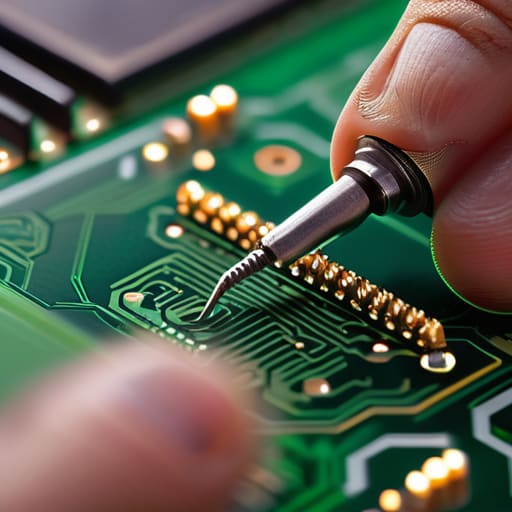
Look, most people think mindfulness means sitting on a velvet cushion for forty minutes while a recording tells them to visualize a forest. That’s not practical for anyone with a job or a mortgage. Real daily mindfulness practices are about grounding yourself in the physical world when your head starts spinning. For me, it’s about the tactile stuff. When I’m working on a circuit board or even just cleaning out my toolkit, I focus entirely on the resistance of the screw or the weight of the tool in my hand. It’s not some mystical state; it’s just intentional presence. It pulls you out of that digital loop and back into your body.
If you’re feeling the heat, try incorporating some basic stress management strategies into your existing routine. You don’t need a new app for this. When you’re waiting for the coffee to brew or walking from the parking lot to your front door, leave the phone in your pocket. Just notice the temperature of the air or the rhythm of your footsteps. It sounds simple—maybe even a bit too simple—but it’s one of the most effective ways to prevent your brain from redlining before the day is even done.
Burnout Prevention Tips for the Physical World

Burnout doesn’t usually happen because of one massive crisis; it’s the slow, steady accumulation of friction that eventually grinds your gears to a halt. In my line of work, I see people try to “optimize” their way out of exhaustion by downloading yet another productivity app. That’s a mistake. Real burnout prevention tips aren’t found in a software update; they’re found in how you manage your physical environment and your actual energy limits. If your workspace is a mess and your calendar is a minefield, no amount of digital meditation is going to save you.
You need to build physical buffers into your day. This means setting a hard “shutdown” time where the laptop is closed and stays closed, or physically leaving your desk to eat lunch away from your monitors. These aren’t just breaks; they are essential stress management strategies that signal to your nervous system that the workday is actually over. Stop treating your brain like a processor that can run at 100% indefinitely. If you don’t schedule time to disconnect, your body will eventually make the decision for you, and it won’t be a graceful one.
Hardwired for Stress: 5 Ways to Reset Your System
- Audit your physical workspace. If your desk is a graveyard of old coffee mugs and tangled cables, your brain is going to feel just as cluttered. Clear the physical debris to give your mind some breathing room.
- Stick to a “Analog Hour.” Pick one hour before bed where the phone goes in a drawer and stays there. No notifications, no blue light, just a book or a sketchpad. It stops the dopamine loop before it starts.
- Use your hands for something real. When the mental noise gets too loud, go fix something, cook a meal from scratch, or tinker with a piece of hardware. Moving from abstract digital problems to tangible physical tasks is a massive reset button.
- Stop treating sleep like an optional software update. You wouldn’t run a server on 10% power, so don’t do it to yourself. Set a hard shutdown time for your day and stick to it.
- Get outside without a podcast playing. We’ve become so addicted to constant input that we’ve forgotten how to just exist in a space. Walk for twenty minutes and let your thoughts settle without a digital voice guiding them.
The Bottom Line: Cutting Through the Mental Noise
Stop looking for a digital solution to a digital problem; if your brain is fried from screen time, the fix is almost always found in something tactile and analog.
Systems beat willpower every time—don’t wait until you’re crashing to rest, build small, non-negotiable physical breaks into your daily routine like you would a scheduled server maintenance.
Keep it simple and functional; if a self-care habit feels like another chore on your to-do list, it’s not a tool, it’s just more clutter. Toss it.
Cutting Through the Noise

Look, I’m not here to sell you a subscription to a meditation app or a complex ritual that requires thirty minutes of perfect stillness. We’ve already talked about how simple it is to reclaim your headspace by ditching the digital checklists and actually engaging with the world around you. Whether it’s getting your hands dirty with a DIY project, taking a walk without a podcast playing in your ears, or just setting hard boundaries between your work life and your actual life, the goal is the same: reducing friction. Mental health isn’t about adding more tasks to your to-do list; it’s about removing the digital clutter that prevents you from functioning like a well-oiled machine.
At the end of the day, your brain isn’t a processor that needs constant software updates; it’s part of a physical body that needs real-world input. Don’t get caught in the loop of searching for the “perfect” wellness system. Systems are only useful if they actually work when you’re tired, stressed, and staring at a blank screen. Stop over-engineering your peace of mind and just start doing the small, analog things that keep you grounded. Build a life that feels good to live, not just one that looks good on a dashboard.