
I’m tired of seeing people spend forty dollars on a subscription app that promises “mindfulness” through a series of glowing bubbles and ambient rain sounds. If you’re staring at your phone at 6:00 PM, trying to find out how to relax after work by scrolling through more digital noise, you aren’t actually resting—you’re just recharging your screen. I spent years in systems engineering, and I can tell you that you can’t fix a hardware overheat by running more software. Real decompression isn’t about finding the perfect app; it’s about physically disconnecting from the grid so your brain can actually exit “task mode.”
I’m not here to sell you on expensive retreats or complex wellness rituals that feel like another item on your to-do list. My goal is to give you a few straightforward, tested methods that bridge the gap between your digital chaos and your physical reality. We’re going to focus on high-impact, low-effort shifts—things like tactile hobbies or simple environmental changes—that actually work when the screen goes dark. Let’s cut through the fluff and get back to what actually works.
Table of Contents
Mastering the Transitioning From Work to Home

The problem most people face isn’t that they don’t work hard; it’s that they never actually stop working. If you’re still answering Slack messages while your dinner gets cold, you haven’t finished your workday—you’ve just changed locations. To fix this, you need a hard boundary. I’ve found that the most effective way of transitioning from work to home isn’t a mental shift; it’s a physical one. Whether it’s a fifteen-minute walk without a podcast or simply changing out of your “work clothes” the second you walk through the door, you need a ritual that signals to your nervous system that the shift is over.
Don’t fall for the trap of “passive relaxation” like scrolling through social media. That’s just more digital noise that keeps your brain in high gear. Instead, focus on low-stimulation activities that actually help with reducing cortisol after work. I personally find that working with my hands—something tactile like cleaning a tool or even just prepping ingredients for a meal—acts as a natural reset. It forces your brain to move away from abstract digital problems and back into the physical world where you can actually feel your progress.
Proven Stress Relief Activities That Actually Work

Most people think they need a high-end yoga retreat or a subscription to some fancy meditation app to decompress. Honestly? That’s just more digital clutter. If you want real stress relief activities, look toward things that require your hands rather than your thumbs. I’ve found that working on something tactile—whether it’s fixing a leaky faucet, sketching a circuit diagram in my notebook, or even just chopping vegetables for dinner—forces your brain to switch gears. It moves you out of that abstract, high-speed loop of emails and spreadsheets and back into your physical body.
If you’re feeling particularly wired, try focusing on low-stimulation movement. This isn’t about hitting a personal record at the gym; it’s about reducing cortisol after work through steady, rhythmic motion. A simple twenty-minute walk without a podcast playing in your ears can do more for your mental state than an hour of mindless scrolling. You need to give your nervous system a chance to recalibrate without constant input. The goal isn’t to be “productive” in your downtime; it’s to simply exist in a space where no one is asking you for a status update.
Five No-Nonsense Ways to Reset Your System
- Kill the notifications. I’m not talking about “Do Not Disturb” mode where your phone still vibrates on the desk like a nervous insect; I mean physically putting the device in a drawer or another room. If it’s within arm’s reach, your brain is still running background processes for work.
- Engage your hands in something analog. After staring at a screen for eight hours, your brain needs a different kind of input. Whether it’s tinkering with a piece of hardware, cooking a meal from scratch, or even just sketching a quick diagram in your notebook, manual tasks force your focus back into the physical world.
- Change your “uniform.” It sounds trivial, but the psychological shift of stripping off your work clothes and putting on something comfortable acts as a physical boundary. It tells your nervous system that the professional shift is officially over.
- Stop the “doomscrolling” loop. Most people think they’re relaxing when they’re scrolling through social media, but you’re actually just feeding your brain more digital noise. If you want to rest, do something that doesn’t require a backlight and a high-speed connection.
- Move your body, but don’t overcomplicate it. You don’t need a grueling hour-long HIIT session to decompress. A simple fifteen-minute walk around the block—without a podcast playing in your ears—is often enough to clear the mental cache and reset your perspective.
The Bottom Line
Stop looking for a digital solution to a physical problem; if your brain is fried from screens, the last thing you need is more blue light.
Build a repeatable “shutdown ritual” that signals to your nervous system the workday is over, rather than just closing a laptop lid.
Prioritize high-tactile, low-complexity activities—like cooking, tinkering, or walking—to ground yourself back in the real world.
Cutting Through the Noise
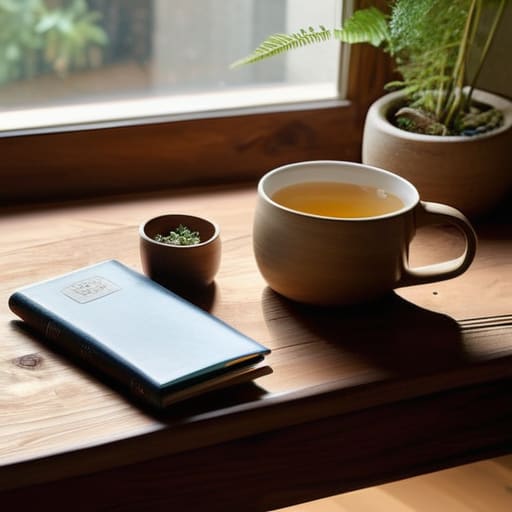
Look, we’ve covered a lot of ground here, from setting hard boundaries during your transition home to ditching the digital noise for activities that actually ground you. The common thread isn’t about finding a magic pill or a high-tech solution; it’s about intentionality. Whether you’re finally putting the phone in a drawer or picking up a manual hobby that requires your full attention, the goal is the same: to stop the bleed from your professional life into your personal time. You don’t need a complex system to recover; you just need to stop treating your downtime like another task on your to-do list.
At the end of the day, your life shouldn’t just be a series of inputs and outputs managed by a calendar. We spend so much time optimizing our workflows and streamlining our digital existence that we often forget how to actually live in the physical world. Don’t let your career become the only thing that defines your capacity. Take the tools we talked about, strip away the fluff, and build a routine that actually serves you, not your employer. Go ahead, close the laptop, step away from the glow, and reclaim your reality.